
10 Autistic-Friendly Snack Plate Combos (No-Cook, Low-Prep, School-Safe)
Snack time can be one of those daily moments that looks “small,” but can feel big.
If your teen is hungry and overwhelmed, if decision fatigue is high, or if sensory needs make food feel complicated, a full meal can be too much. That is where snack plates shine.
A snack plate is not a trick. It is a low-pressure support: small portions, predictable options, and a quick way to get some energy in without an argument.
In this post, you’ll find 10 autism-friendly snack plate combos that match the infographic you shared, plus gentle tips for making snack plates work better over time.
Gentle reminder: Food support is not about “perfect nutrition.” It is about making eating feel safe, doable, and repeatable.
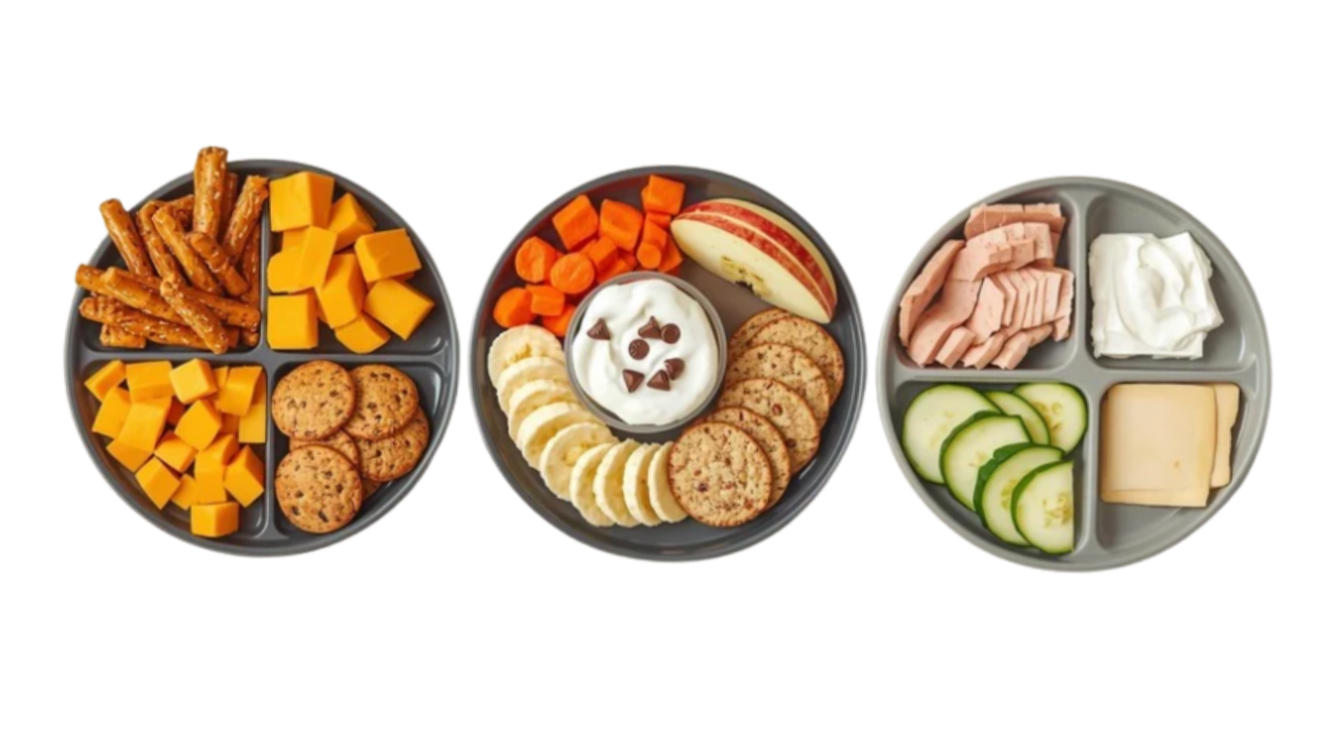
What is a snack plate?
A snack plate is a simple mix of a few foods placed on one plate (or in one container). It works well for autistic teens because it can:
reduce decision fatigue
keep foods separated (helpful for sensory needs)
allow autonomy (“choose 1–2 things now, more later if needed”)
make eating feel less demanding than a full meal
A helpful snack plate formula (optional)
If you want a quick structure, many families find it helps to aim for:
1 protein
1 carb/crunch
1 fruit or veggie
1 comfort item (something reliably safe)
Not every plate needs every category. The goal is “more doable,” not “perfect.”
Want an easier way to use these ideas without thinking so hard each time? Grab the FREE Snack Plate Builder and keep it as your go-to “mix-and-match” guide for low-pressure, sensory-friendly snack plates.
Why snack plates can help autistic teens
Snack plates can be especially supportive when a teen is dealing with:
sensory overwhelm (noise, lights, textures, smells)
low appetite, stress, or anxiety
executive functioning strain (“I can’t figure out what to eat”)
after-school crashes
rigid thinking around food combinations or mixed textures
Mindful Marks reframe: Many food struggles are not willpower problems. They are nervous system + sensory + demand problems.
10 autistic-friendly snack plate combos (no-cook, low-prep, school-safe)
Use these as starting points and swap freely based on allergies, preferences, and safe foods.
1) Applesauce + Popcorn + Cheese
Applesauce cup or pouch
Popcorn
Cheese slice or cheese cubes
Why it works: smooth + crunch + protein.
2) Hummus + Pita Triangles + Cucumber Slices
Hummus (or another dip)
Pita triangles
Cucumber slices
Tip: If dips are hard, serve hummus on the side or swap for a preferred dip.
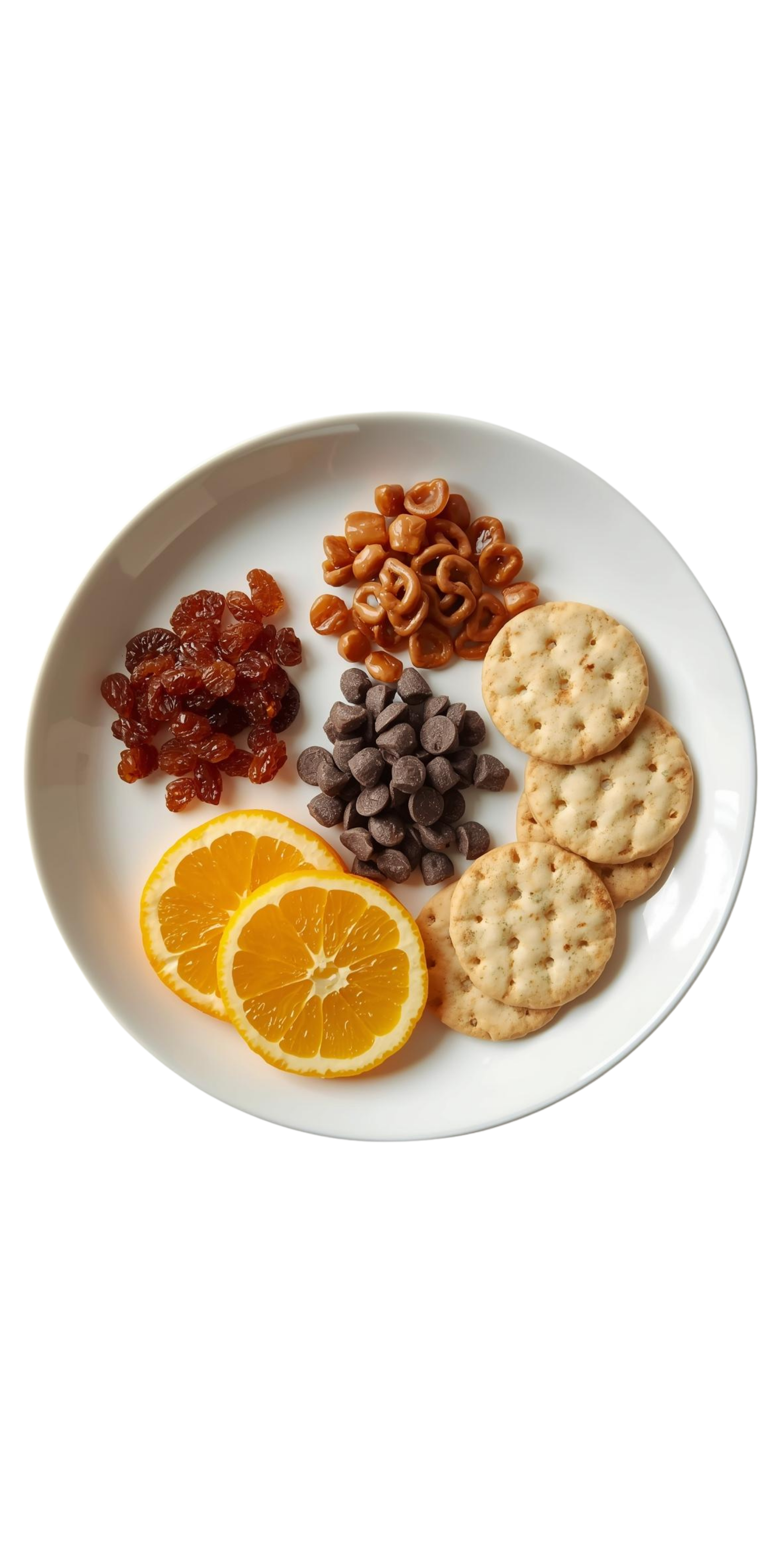
3) “Deconstructed Trail Mix” + Orange + Crackers
A few small piles (for example: cereal loops, mini pretzels, raisins, chocolate chips)
Orange slices
Crackers
Sensory-friendly tweak: Keep items separated instead of mixing.
4) Turkey Roll-Ups + Apple Slices + Cheese Cubes
Turkey roll-ups (plain or with a thin spread)
Apple slices
Cheese cubes
School-safe note: Great lunchbox option if your school allows deli meat.
5) Crackers + Grapes + Cheese Cubes
Crackers
Grapes
Cheese cubes
Why it works: predictable, portable, and easy to repeat.
6) Yogurt + Granola + Berries (or fruit)
Yogurt cup
Granola (or cereal)
Berries (or a preferred fruit)
Sensory-friendly tweak: Keep granola separate so your teen can choose to add it.
7) Crackers + Jam + Cheese (simple comfort plate)
Crackers
A small side of jam/jelly
Cheese slices
Why it works: sweet + savory, with clear separation.
8) Pretzels + Strawberries + Yogurt Dip
Pretzels
Strawberries
Yogurt dip (or a preferred dip)
Swap idea: If strawberries are not a safe food, use grapes, apple slices, or dried fruit.
9) Banana + Peanut Butter (or Sun Butter) + Pretzel Sticks
Banana slices
Peanut butter or sunflower seed butter
Pretzel sticks
School-safe note: Use sun butter if your school is nut-free.
10) Quesadilla Wedge + Salsa + Fruit Cup (warm option)
Quesadilla wedge (microwave-friendly)
Salsa (or a preferred dip)
Fruit cup
Why it works: one warm item can help some teens feel more “fed” without a full meal.
Tips & tricks for snack plates (so they actually get used)
1) Keep a “safe default” list
When a teen is hungry and overwhelmed, choices can feel like pressure.
Try keeping a short list of 3–5 repeatable snack plate combos.
2) Use the “2 safe + 1 optional” approach
2 items that are reliable safe foods
1 optional item that your teen can ignore
This protects safety while still leaving room for variety.
3) Separate foods by default
A lot of autistic teens prefer foods that do not touch or mix.
Use:
small silicone cups
muffin liners
bento-style containers
4) Make it visually calm
Overfilled plates can feel overwhelming.
Start with small portions. Your teen can always ask for more.
5) Pair snack plates with decompression
For after-school stress, try this order:
water
snack plate
quiet time (15–30 minutes)
Common misconceptions (gentle corrections)
Myth: “If I offer snack plates, my teen won’t eat real meals.”
Reality: Snack plates can be a bridge that supports intake on hard days.
Myth: “They’re being picky on purpose.”
Reality: Sensory needs and overwhelm can change what feels safe to eat.
Myth: “I need to push variety now.”
Reality: Pressure often reduces eating. Safety first usually helps variety come later.
Gentle encouragement
If snack time feels hard right now, you do not need to solve it all at once.
Start with one plate your teen is likely to accept, and treat that as a win. Consistent, calm supports matter more than perfect food balance.
Helpful Resources
Autistic Self Advocacy Network (ASAN) – Autistic-led education and advocacy
Feeding Matters – Education and support for pediatric feeding challenges
Ellyn Satter Institute – Responsive feeding and reducing pressure around eating
Supportive conclusion
Snack plates are a simple way to reduce stress, protect sensory comfort, and support nourishment on busy or low-capacity days.
If you want a next step, choose two snack plates from the list above and make them your “defaults” for the week. If it helps even a little, it is worth it.
If this post felt helpful, you may enjoy exploring more Mindful Marks resources on low-demand routines, regulation tools, and supportive scripts.
Medical note: This post is for educational purposes and does not replace individualized medical or nutrition advice. If you have concerns about growth, nutrition, or feeding safety, consider partnering with a qualified clinician who is neuroaffirming and trauma-informed.
If you want snack time to feel simpler this week, download the FREE Snack Plate Builder. It gives you a quick mix-and-match system (plus the gentle “2 safe foods + 1 optional” approach) so you can build snack plates that feel doable—especially on busy or low-capacity days.