
When Coping Turns Risky: A Calm Parent Guide for Autistic Teens (Support Without Shame)
Many parents notice the shift quietly at first.
A coping strategy that used to take the edge off starts happening more often. A teen who was already overwhelmed becomes more withdrawn, more irritable, or more secretive. Or a teen begins reaching for something that looks like relief in the short term, but creates more risk in the long term.
If you are reading this with fear in your chest, pause.
This is not about blaming your teen or blaming yourself. For many autistic teens, risky coping is a sign of unmet needs, nervous system overload, and not having enough safe tools that actually work.
This guide is written for parents and caregivers who want a calm, clear way forward.

What “risky coping” can look like
Risky coping is any strategy a teen uses to get relief that increases danger, dependency, or long-term distress.
Examples can include:
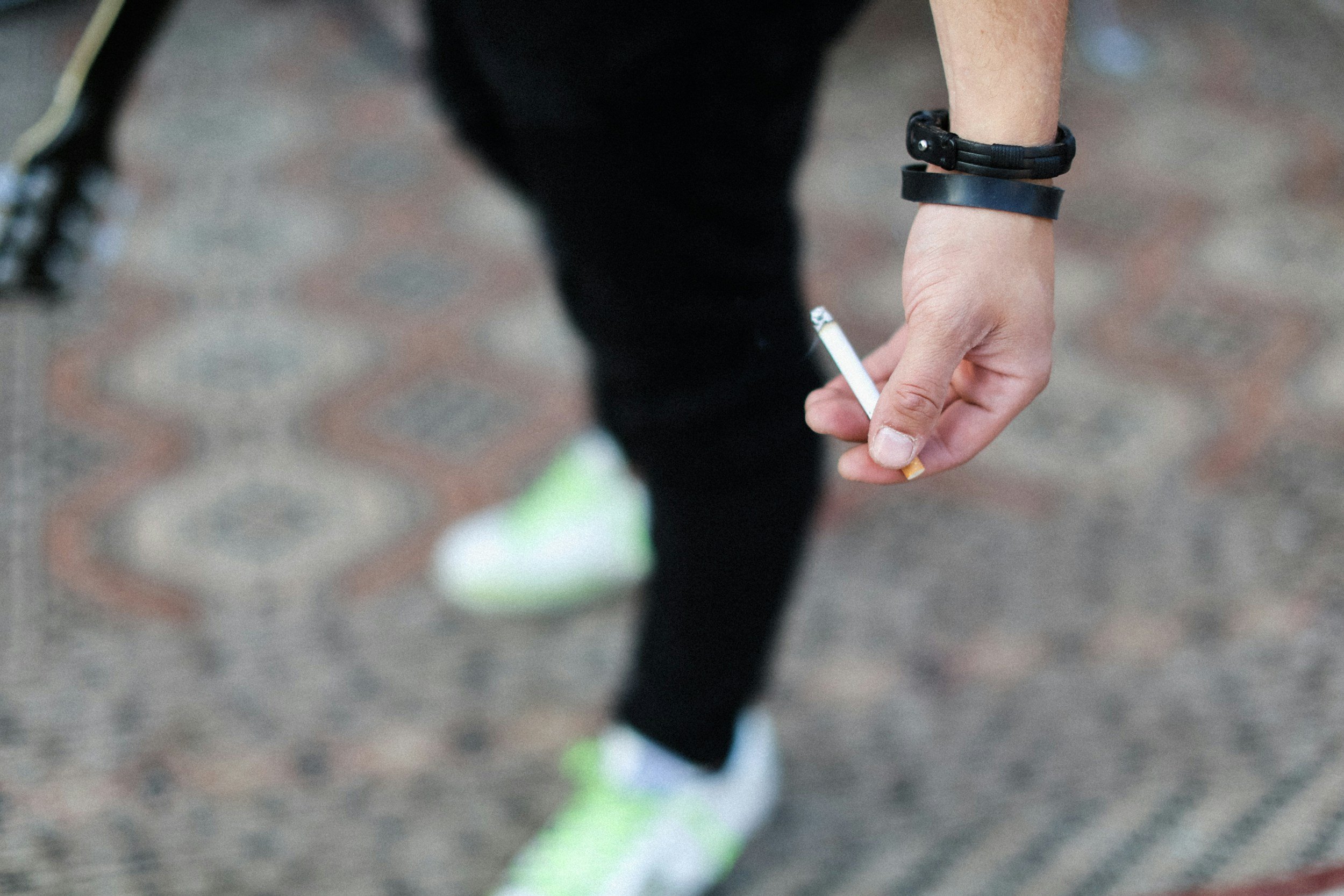
Substance use (alcohol, marijuana, vaping, misusing medications)
Self-harm or high-risk impulsive behaviors
Extreme avoidance (not leaving the house, refusing school with rising panic)
Overuse patterns that start to replace all other regulation (endless scrolling, gaming through the night, risky online interactions)
Not every coping strategy you dislike is risky. The key question is:
Is this helping their nervous system recover, or is it creating a bigger problem over time?
Why this matters (especially for autistic teens)
Autistic teens often live with an extra layer of nervous system strain that other people do not see.
Common sources of overload include:
Sensory load (sound, light, textures, crowded spaces)
Masking fatigue (working hard to look “fine” all day)
Social guessing (tone, sarcasm, hidden rules)
Executive function load (planning, switching tasks, remembering steps)
Anxiety that shows up as shutdown, irritability, or avoidance
Shame cycles that build after repeated conflict or “consequences”
When a teen finds something that brings fast relief, it can quickly become the default. The earlier you respond with support and replacement tools, the more safety and trust you protect.
The core reframe: coping is usually solving a problem
Many teens are not trying to be bad. They are trying to feel better.
For autistic teens especially, the need underneath risky coping is often one of these:
Quieting anxiety or intrusive thoughts
Dulling sensory overload
Sleeping or shutting the brain off
Feeling included socially, or less different
Escaping pressure (demands, conflict, performance)
Regaining a sense of control
When you address the need, change becomes more possible.
Coping vs risky coping (simple comparison)
Coping:
Calms the body in a safe way
Is repeatable without increasing harm
Leaves the teen okay afterward
Risky coping:
Works fast, then costs more
Adds danger, secrecy, or dependency
Makes daily life harder over time
The goal is not take it away and hope.
The goal is replacement: safer supports that meet the same need.
Common myths that make this harder
Myth: If I stay strict enough, this will stop. Reality: Rules without replacement often increase secrecy and shame.
Myth: My teen is just making bad choices. Reality: Many risky choices are attempts to regulate an overwhelmed nervous system.
Myth: Talking more will fix it. Reality: Long talks during stress can increase overload. Short, calm support works better.
Myth: If my teen will not talk, nothing can help. Reality: You can still support safety by reducing load, offering options, and keeping connection open.
Step 1: Start with safety and calm language
If you come in hot, most teens shut down or hide more.
Try a low-pressure opener:
I’m not here to punish you. I’m here to understand and keep you safe.
Can we talk about what this helps with?
What has been feeling hardest lately?
A calm tone does not mean you are not taking it seriously.
It means you are keeping the door open.
Step 2: Look for high-risk moments (when urges rise)
Risk often increases at predictable times:
After-school crash (masking fatigue, sensory exhaustion)
Weekends with too much unstructured time
After conflict (shame, consequences, disconnection)
Social burnout (even after “fun” events)
Big transitions (new schedule, new school, family stress)
Sleep deprivation
These are not moral failures. They are nervous system math.
When you identify the pattern, you can plan supports before things escalate.
Step 3: Replace the coping with safer regulation options
A teen needs a tool that matches the job.
Below are replacement ideas organized by the need underneath the behavior.
If the goal is to dull sensory overload
Try:
Headphones or earplugs
Dim lighting or a lamp instead of overhead lights
Sunglasses indoors if needed
Weighted blanket or deep pressure
Compression hoodie or sensory-safe clothing
Permission to leave overwhelming environments early
If the goal is to shut the brain off after masking
Try:
No-talk decompression time after school (30–60 minutes)
Low-demand activities (coloring, puzzle, familiar show, music)
A calm corner with clear “no questions” rules
Reduced demands on high-overwhelm days
If the goal is to lower anxiety fast
Try:
Grounding (5-4-3-2-1)
Cold water on face or hands
Short movement burst (stairs, jumping, walk)
A single next step plan instead of long conversations
If the goal is connection and belonging
Try:
Parallel time (sit nearby, no pressure to talk)
Interest-based groups that reduce social guessing
A check-in text instead of a face-to-face interrogation
Step 4: Keep boundaries, remove shame

You can hold a boundary and still be supportive.
Examples:
I understand this helps you feel better, and I also need to keep you safe. Let’s work together to find something that does both.
I’m not okay with this behavior. I want to understand what it’s helping with so we can find another way.
Shame increases secrecy.
Support increases safety.
Scripts and examples (parents and teens)
Parent check-in scripts
Do you want space, quiet company, or help problem-solving?
Would it help to make tonight smaller, or do you want to be left alone for a bit?
I can handle the truth. You are not in trouble for telling me what is hard.
Teen self-advocacy scripts (short and usable)
I’m overloaded. I need a break.
I can talk, but not right now.
Please say it directly. I’m not sure what you mean.
I need a safer option that helps my body calm down.
When to get professional support
Consider reaching out for professional help when:
Substance use is increasing in frequency or amount
Your teen expresses thoughts of self-harm or not wanting to be here
Risky behaviors are escalating
Your teen is withdrawing completely
You feel out of your depth and need guidance
If you are concerned about immediate safety, contact local emergency supports.
One thing to try tonight
Instead of asking about the behavior, ask about the load.
Try one question:
On a scale of 1–10, how overwhelming was today?
Then respond with one support:
Water, snack, quiet, movement, or a short reset.
Stop there.
Small support, consistently offered, builds safety over time.

Helpful resources
988 Suicide and Crisis Lifeline (United States) – Call or text 988 for 24/7 support
Crisis Text Line – Text HOME to 741741 (United States)
SAMHSA National Helpline – 1-800-662-HELP (4357) for treatment referral and information (United States)
National Alliance on Mental Illness (NAMI) – Education and support for families (NAMI.org)
Autistic Self Advocacy Network (ASAN) – Autistic-led education and advocacy (autisticadvocacy.org)
Gentle encouragement
If your teen is struggling with risky coping, it does not mean you have failed.
It means your teen is trying to survive something that feels overwhelming.
You do not need a perfect plan.
You need a calmer next step and support that actually fits.
Ready for a step-by-step plan you can use right away?
If your teen is using risky coping to survive overwhelm, you do not need more fear. You need a plan.
The Regulation Over Restriction Toolkit is designed to help parents:
Understand what the behavior is solving
Use calm scripts that keep trust intact
Build safer regulation replacements for the same need
Spot red flags without spiraling
Create a simple home support plan