
Signs Your Autistic Teen Has a Crush (That Parents Often Miss)
Romantic feelings don’t disappear just because a teen is autistic—but the way those feelings show up can look very different from what many parents expect. Instead of obvious flirting, giggling with friends, or constant texting, autistic teens often express crushes in quieter, more internal, or highly practical ways.
Because these signs don’t always match neurotypical dating norms, they’re frequently overlooked or misunderstood. This can leave teens feeling unseen, confused, or unsupported at a time when they need guidance the most.
Let’s explore the subtle signs your autistic teen may have a crush—and how you can support them with understanding rather than pressure.
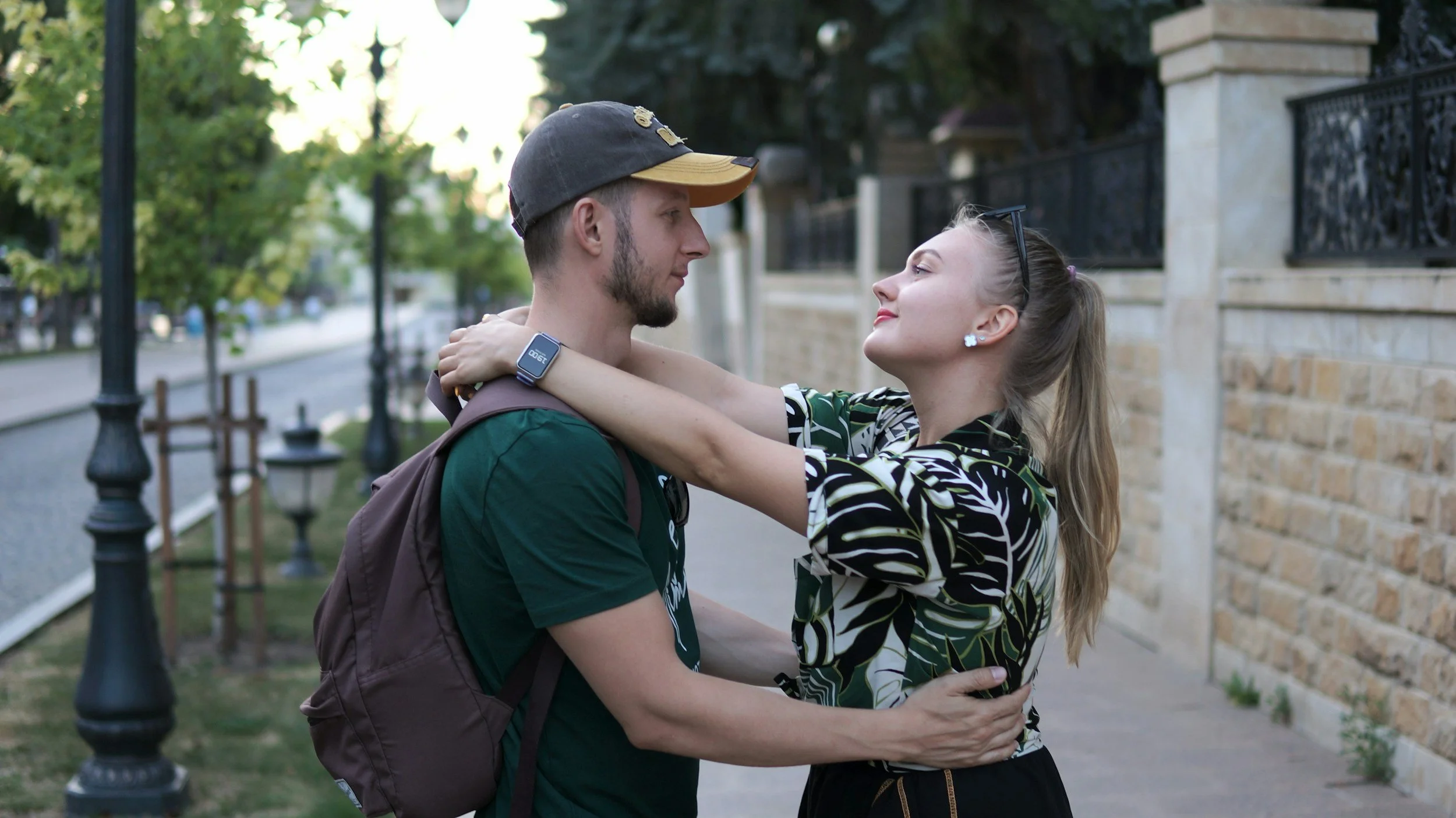
Why Crushes Can Look Different in Autistic Teens
Autistic teens often experience:
Literal thinking
Differences in emotional expression
Heightened sensory awareness
Strong internal processing
Fear of social mistakes or rejection
This means romantic feelings may be felt very deeply—but expressed very carefully, indirectly, or not at all.
A crush doesn’t always look like excitement. Sometimes it looks like silence, fixation, or sudden emotional shifts.
Subtle Signs Your Autistic Teen May Have a Crush
1. They Talk About One Person… A Lot (or Not at All)
Your teen may repeatedly mention the same name in unrelated conversations—or avoid mentioning them entirely while clearly thinking about them.
What parents often miss:
Talking around a person instead of about them can be a sign of strong feelings combined with anxiety.
2. A Sudden Change in Routine or Interests
You may notice your teen:
Wanting to sit in a new spot
Taking a different route at school
Suddenly caring about how they look for one specific event
Why it matters:
Autistic teens often value routine. Changes motivated by another person are rarely random.
3. Intense Curiosity About Social Rules
Your teen might start asking questions like:
“How do people know if someone likes them?”
“Is it weird to text first?”
“How often is too often to talk to someone?”
What this really means:
They’re trying to decode the “hidden rules” of attraction—often because they’re already emotionally invested.
4. Emotional “Flip” Moments
Crushes can trigger:
Irritability
Withdrawal
Shutdowns
Sudden sadness without explanation
Important reminder:
This isn’t moodiness—it’s emotional overload mixed with uncertainty.
Noticing the signs is a helpful first step, but knowing what to say next can feel harder. If you’d like a calm, practical way to support your teen without teasing, pressure, or guesswork, you can download our free Healthy Crushes & Relationships Toolkit
Inside you’ll find a feelings check-in, consent + boundary reminders, green/red flags, texting scripts, and a rejection coping plan.
5. Strong Focus on One Person’s Preferences
Your teen may:
Memorize the person’s favorite things
Adjust their behavior to avoid upsetting them
Talk about fairness, rules, or “doing the right thing” around that person
Why this is a clue:
Autistic teens often express care through attention, consistency, and respect—not flirting.
6. Increased Masking or Self-Monitoring
You may notice your teen:
Watching how others act more closely
Replaying conversations
Being unusually self-critical
What’s happening internally:
They care deeply about making a good impression and fear misreading signals.
7. Creative or Indirect Expression
Some autistic teens express crushes through:
Drawing
Writing stories
Music playlists
Daydreaming
These expressions may never be shared—but they matter.

Common Misinterpretations Parents Make
Parents often mistake crush-related behaviors for:
“Obsession”
“Avoidance”
“Defiance”
“Mood swings”
“Disinterest in peers”
When in reality, your teen may be navigating powerful feelings without the language—or safety—to explain them.
How Parents Can Support (Without Pushing)
Create Safety First
Instead of asking directly, try:
“Sometimes feelings about people can get complicated. If that ever happens for you, I’m here.”
This opens the door without forcing disclosure.
Normalize Crushes
Let your teen know:
Crushes are normal
Confusion is normal
You won’t punish or shame honesty
Teach Social Concepts Explicitly
Autistic teens often benefit from:
Clear explanations of consent
Direct discussion of boundaries
Concrete examples of respectful communication
Avoid vague advice like “just be yourself.”
Respect Their Processing Time
Your teen may need days—or weeks—to understand their own feelings. Silence doesn’t mean avoidance; it often means processing.
Offer Tools, Not Interrogation
Books, visual guides, or gentle resources can feel safer than face-to-face conversations.
Final Thoughts
Your autistic teen’s crush may not look the way you expect—but that doesn’t make it any less real.
When parents learn to recognize the subtle signs, they can replace confusion with compassion and create a foundation of trust that supports healthy relationships now and in the future.
The goal isn’t to control your teen’s feelings—it’s to help them understand, respect, and navigate them safely.