
The Calm Corner Snack Plan: A Low-Pressure Way to Support Eating for Autistic Teens (Parent Guide)
If you’ve ever watched your autistic teen come home dysregulated and heard “I’m not hungry” (followed by a crash later), you’re not alone. For many autistic teens, eating is not just about appetite. It’s also about sensory load, nervous system state, transition stress, and how safe the environment feels.
This post gives you a calm, practical way to combine two supportive tools:
A Calm Corner (reset space that is always optional)
A Snack Plan (predictable food access with low pressure)
The goal is not perfect nutrition or a “balanced plate” every time. The goal is reduced stress, steady access to food and hydration, and more peaceful afternoons.
A quick note on language
In this post, “Calm Corner” means a voluntary regulation space, never a time-out, and never a consequence.
Why food gets harder when your teen is dysregulated
When the nervous system is in a high-stress state, eating can feel impossible.
Common reasons include:
Sensory overload (smell, sound, texture, temperature)
Interoception differences (not noticing hunger until it’s urgent)
Executive functioning load (too many steps to start eating)
Pressure sensitivity (feeling watched or pushed shuts appetite down)
After-school transition stress (masking all day can drain capacity)
A Calm Corner helps because it reduces sensory input and offers choice. A snack plan helps because it lowers the barrier to eating.
What the Calm Corner Snack Plan is (and what it’s not)
It IS:
A predictable routine that makes food accessible without a battle
A way to pair regulation + eating without forcing either
A tool that builds trust: “Food and support are available here.”
It is NOT:
A rule your teen has to follow
A strategy to make your teen eat “normally.”
A replacement for medical care if weight loss, fainting, vomiting, or dehydration are present
Step-by-step: The Calm Corner Snack Plan
Step 1: Decide on a consistent “landing routine”
Pick a short routine after school (or after any big transition) that becomes familiar.
Examples:
“Shoes off → bathroom → 10 minutes in reset space → snack option.”
“Headphones on → lights dim → water → snack plate available.”
Parent tip: Keep it short. Your teen’s nervous system will tell you if it needs more time.
Step 2: Create a Snack Zone near (or inside) the Calm Corner
You can do this without turning the Calm Corner into a “food corner.” Think of it as easy access nearby.
Options:
A small basket with shelf-stable foods
A mini-fridge bin (if available)
A “snack tray” that can be carried to the reset spot
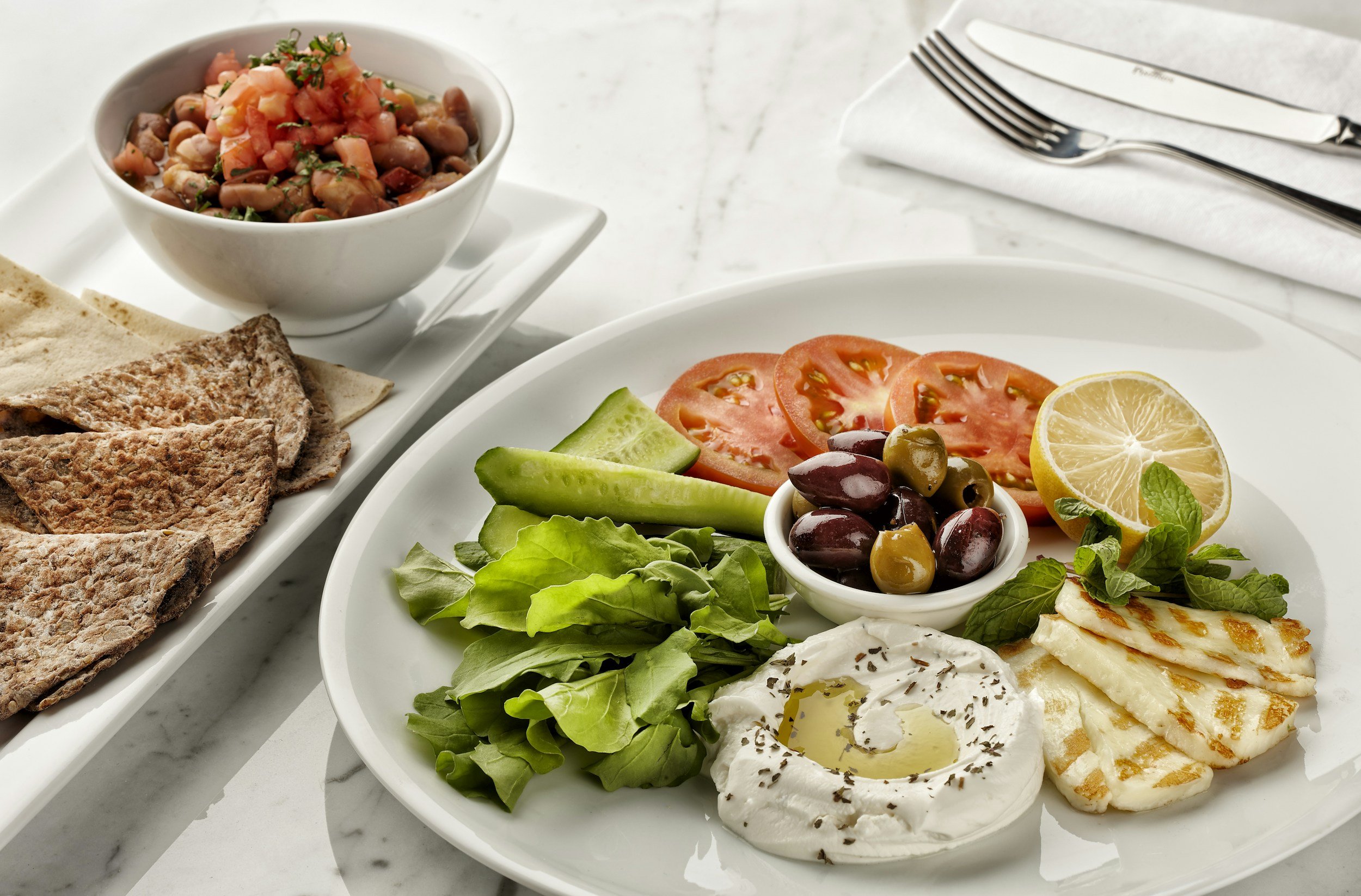
Step 3: Use the Snack Plate Formula (predictable + flexible)
Snack plates can be a full meal. The secret is predictability.
Pick 1 from each category (or start with 2 categories):
Protein/energy: cheese, turkey slices, hummus, yogurt (smooth), nut/seed butter (if safe)
Crunch: crackers, pretzels, dry cereal, veggie straws
Fruit/veg (only if tolerated): apple slices, grapes, cucumber coins
Comfort item: favorite chips, cookies, a familiar bar
Drink: cold water, preferred juice, flavored water, electrolyte drink
Keep foods separated if mixed textures are hard to handle.
Want the 2-page Calm Corner Snack Plan printable?
If you’d like a quick version you can print and keep on the fridge, you’re welcome to download our free Calm Corner Snack Plan (1-page guide for parents).
It includes the 5-step routine, snack plate builder, plan-style options, and low-pressure scripts.
Step 4: Offer choices in sensory language (not “healthy vs unhealthy”)
Many teens do better with sensory-based choices:
“Do you want something crunchy or smooth?”
“Do you want something warm or cold?”
“Do you want food separate or together?”
Step 5: Keep it low-pressure (the rule is: no commenting)
If your teen eats, great. If your teen doesn’t, the plan still worked because it kept safety and access in place.
Try:
Put the snack plate out quietly
Leave the room if being watched increases stress
Let your teen eat while scrolling, gaming, or decompressing (if that helps)
3 versions of the plan (choose what fits your home)
Option A: “Quiet Access” plan
Best for teens who hate being watched.
Snack basket available
No conversation required
Visual menu card available
Option B: “Co-regulation + snack” plan
Best for teens who regulate faster with calm presence.
Sit nearby, no questions
Offer water
Offer a simple choice: “crunchy or smooth?”
Option C: “Movement first” plan
Best for teens who need body input before eating.
2 minutes of wall push-ups, stretching, or pacing
Then snack plate access
Scripts for parents (what to say without pressure)
When your teen gets home dysregulated
“You’re safe. Do you want space or company?”
“Reset spot is open. Snack is available whenever you’re ready.”
When your teen says “I’m not hungry”
“Okay. We can try again later. I’ll leave options out.”
“Want a drink now, and food later?”
When you feel worried and want to push
“I’m noticing my worry. I’m going to focus on access, not pressure.”
“We can keep your safe foods stocked. We’ll make changes slowly.”
When others comment on your teen’s eating
“We’re supporting sensory needs. Please don’t pressure food.”
“Food talk isn’t helpful right now. Thanks for understanding.”
Common mistakes (and gentle fixes)
Mistake 1: The Calm Corner starts to feel like a requirement
Fix: Keep it optional. Offer it, don’t assign it.
Mistake 2: Too many snack choices
Fix: Start with 6–10 reliable options and rotate slowly.
Mistake 3: The snack plan becomes a nutrition lecture
Fix: Build nutrition quietly in the background (buy the foods, prep the options). Reduce commentary.
Mistake 4: The environment is too sensory-heavy
Fix: Dim lights, reduce noise, separate foods, use headphones.
A simple visual menu you can use this week
Create a small list your teen can point to.
Pick 6–12 options total, across categories:
Crunchy: pretzels, crackers
Smooth: yogurt (no chunks), pudding
Chewy: bagel, tortilla
“Dry”: dry cereal, plain pasta
Drinks: water, preferred drink
This reduces decision fatigue and supports autonomy.
When to get extra support (no fear, just clarity)
It may be time to reach out to a qualified professional if you notice:
Weight loss, fainting, dehydration, frequent vomiting
Ongoing pain with eating, severe constipation, reflux
Extreme anxiety/panic around food
Very limited intake that is impacting health, growth, or daily life
A supportive team may include a pediatrician, dietitian, OT, or therapist familiar with autism and restrictive eating patterns.

Helpful Resources
Feeding Matters – Education and support for pediatric feeding differences
Autistic Self Advocacy Network (ASAN) – Autistic-led advocacy and education
National Autistic Society – Practical family resources
988 Lifeline – Crisis support if safety becomes a concern
Supportive conclusion
You don’t have to choose between “pushing harder” and “giving up.” The Calm Corner Snack Plan is a middle path: reduce sensory load, keep food accessible, offer choices, and protect dignity.
If this feels helpful, you may also enjoy our Calm Corner resources and regulation tools on MindfulMarks.care.
You’re welcome to download the free Calm Corner Snack Plan ( printable for parents).
It includes the 5-step routine, snack plate builder, plan-style options, and low-pressure scripts.