
Autistic Teens and Food: What’s Really Going On (and What Helps Parents Support Without Pressure)
Many autistic teens have a complicated relationship with food, and it’s rarely about “being difficult.” Food can be tied to sensory overwhelm, anxiety, body signals, routine, burnout, and a nervous system that’s working hard to stay regulated.
This guide is for parents who want to support eating in a way that protects dignity and reduces stress. Nothing here is about forcing, bribing, or powering through. It’s about understanding what’s underneath, then building supports that actually work.
A gentle reminder before we start
If your teen is eating a limited set of foods, that does not automatically mean you’ve done something wrong. Many families are doing their best in very real circumstances, and autistic eating differences are common.
What “food struggles” can look like in autistic teens
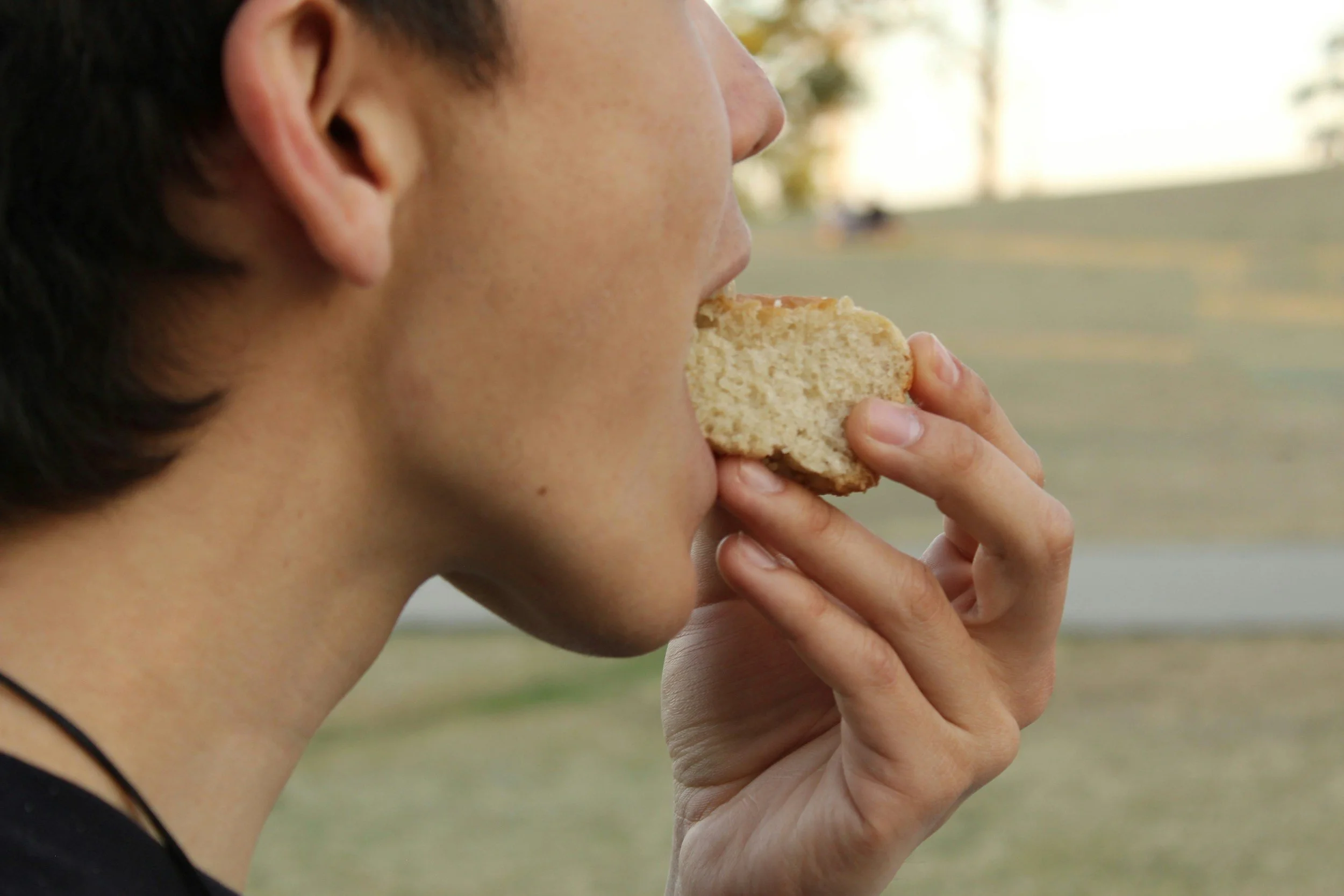
You might notice:
Strong preferences about texture, temperature, smell, brand, or packaging
A small “safe food” list that changes over time
Skipping meals until hunger becomes a meltdown or shutdown
Gagging, nausea, or panic at new foods
Eating better in certain environments (home) and worse in others (school, restaurants)
Huge stress around being watched, pressured, or questioned
These patterns make more sense when we look at what can be driving them.
8 common reasons autistic teens struggle with food (and what helps)
1) Sensory processing differences
Food is sensory: smell, sound, texture, mouthfeel, temperature, aftertaste.
What helps
Offer choices within the same “category” (crunchy, smooth, chewy)
Let your teen avoid “mixed texture” foods if those are hard (soups, casseroles, yogurt with chunks)
Keep a few consistent safe foods available
Use a “taste plate” option: a tiny sample, separate from the meal, no pressure to finish
2) Anxiety and uncertainty
New foods are unpredictable. Unpredictability can feel unsafe.
What helps
Preview meals ahead of time (“Tonight is pasta with sauce on the side.”)
Keep changes small (one variable at a time: brand OR shape OR sauce)
Use predictable routines around meals
3) Interoception differences (body signal awareness)
Some autistic teens don’t feel hunger cues early, or they notice them late and intensely.
What helps
Set gentle meal and snack rhythms (not strict rules)
Keep “grab-and-go” options accessible
Teach a neutral body check-in: “Is your stomach empty, tight, or okay?”
4) Executive functioning load
Planning food, starting a meal, and cleaning up can be a lot.
What helps
Reduce steps: pre-portion snacks, keep a basket of safe foods
Use visual menus: 6–10 reliable options your teen can pick from
Make “good enough” meals normal (snack plates count)
5) Demand avoidance / pressure sensitivity
When food becomes a battleground, the nervous system can push back.
What helps
Replace “You need to…” with “What would help right now?”
Offer collaborative choices (“Do you want to eat now or in 20 minutes?”)
Stop negotiating bites. Focus on safety and access.

6) Burnout, overwhelm, or shutdown
During burnout, appetite and tolerance for sensory input often drop.
What helps
Prioritize low-effort safe foods and hydration
Lower expectations around variety temporarily
Offer calm connection, not lectures
7) GI discomfort or medical factors
Reflux, constipation, nausea, allergies, intolerances, and medication side effects can affect eating.
What helps
Track patterns gently (time of day, foods that cause pain)
Talk with a qualified clinician if pain, weight loss, vomiting, or fainting is present
8) Social stress around eating
Cafeterias and restaurants can add noise, smell, bright lights, and the feeling of being watched.
What helps
Offer permission to eat somewhere quieter
Use headphones, sunglasses, or a seat choice
Pack predictable lunches when possible
What NOT to do (gentle framing)
These approaches often backfire because they increase stress:
Forcing “just one bite” as a rule
Bargaining or bribing (“If you eat this, you get that”)
Critiquing your teen’s body, appetite, or “picky” behavior
Talking about food struggles in front of others
Removing safe foods as a consequence
Practical strategies parents can try this week
Create a Safe Foods List together (even if it's short)
Build a snack plate template: 1 protein + 1 crunch + 1 fruit/veg if tolerated + 1 comfort item
Offer "same-but-different" steps (shape change, brand change, sauce on the side)
Use a low-pressure exposure routine: smell, touch, lick, tiny taste—only if your teen wants
Keep hydration easy (bottle, preferred cup, flavor options if needed)
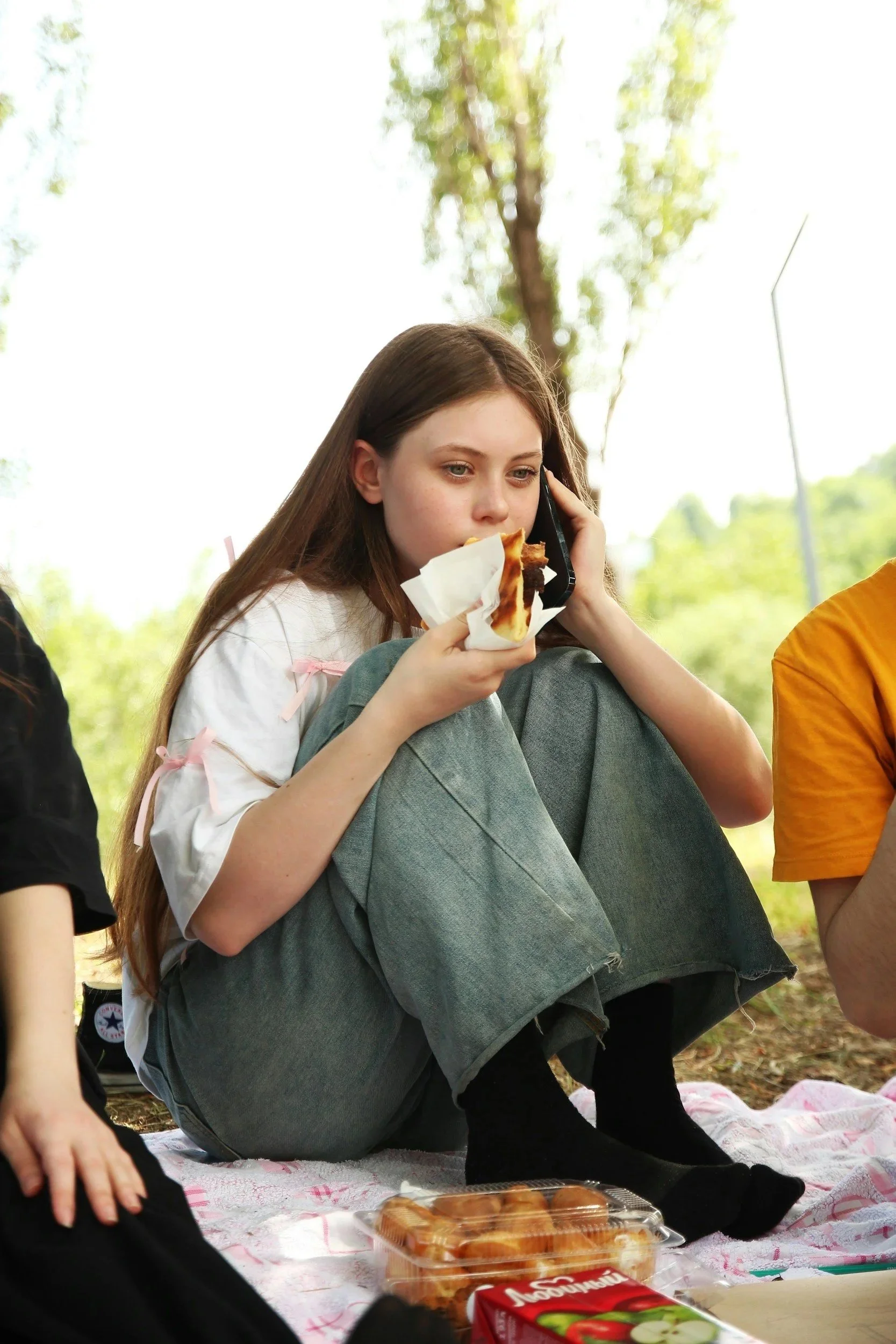
Want a simple tool to get started?
Grab our free Snack Plate Builder (Freebie) — Mix & Match Chart + 2 Safe + 1 Optional — a printable guide that uses the gentle "2 safe + 1 optional" approach. It includes mix-and-match options, school-safe swaps, and sensory-friendly tips. No pressure, support.
Supportive scripts (what to say instead)
When you’re worried:
“I’m not mad. I want meals to feel easier for you.”
“We can keep your safe foods stocked. We’ll try changes slowly.”
When your teen declines food:
“Okay. Want to try again in a bit, or pick a different option?”
“Do you want something warm, cold, crunchy, or smooth?”
When family members comment:
“We’re supporting sensory needs. Please don’t pressure food.”
“Food conversations aren’t helpful right now. Thanks for understanding.”
A simple troubleshooting guide
If eating support isn’t working yet, ask:
Is the environment too loud, bright, or social?
Is the change too big?
Is there pain, nausea, constipation, or reflux?
Is stress high (school, transitions, burnout)?
Does your teen feel controlled or watched?
Gentle encouragement
Progress with food is often slow and non-linear. The goal is not “perfect eating.” The goal is reduced stress, improved access to nutrition and hydration, and a teen who feels respected.
Helpful Resources
Autistic Self Advocacy Network (ASAN) – Autistic-led disability advocacy and education
National Autistic Society – Practical information and family supports
Feeding Matters – Support and education for pediatric feeding differences (including ARFID-related resources)
988 Lifeline – If your teen is in crisis or you’re worried about safety
Supportive conclusion
If meals feel hard right now, you're not alone. You can support eating without pressure by focusing on sensory safety, predictable access, and small collaborative steps. Your teen deserves dignity at the table, and you deserve support too.
Ready to make snack time easier?
Download our free Snack Plate Builder (Freebie) — Mix & Match Chart + 2 Safe + 1 Optional and start building low-pressure, sensory-friendly snack plates today. It's a simple, practical tool designed to reduce stress and increase access to food—without any forcing or bribing.