
High-Masking Autistic Traits in Boys / AMAB Teens (And How to Support Them)
If you’re here because you saw my graphic on high-masking autistic traits in boys / AMAB teens, I’m really glad you found it.
A lot of families told me, “I’m so happy someone is talking about AMAB teens.” And I hear that.
AMAB teens can be overlooked because they are often expected to “push through,” be tough, and stay quiet about what feels hard. When an autistic teen is masking, the struggle can look like “they’re fine”… until it suddenly isn’t.
This post is here to offer clarity, validation, and practical support.

Quick note on language (so we’re respectful + accurate)
AMAB means assigned male at birth. Some teens who were assigned male at birth are boys. Some are not. I’ll use boys / AMAB teens so more families feel seen.
This post is not a diagnosis. It’s education and support.
“High autism” can sound like a functioning label. In this post, I’ll use high-masking (and I’ll describe what that can look like).
What “masking” can mean (in plain language)
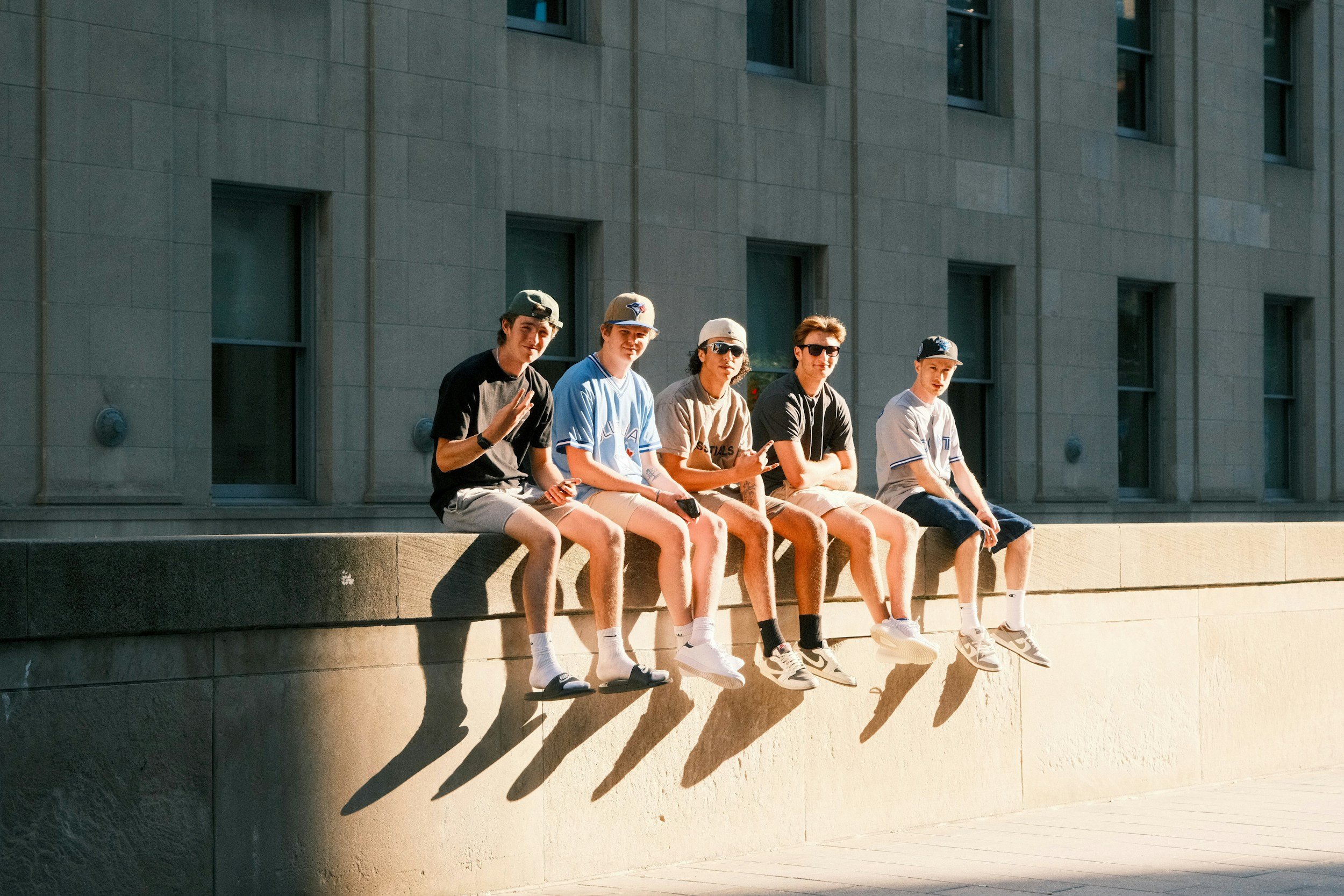
Masking is when an autistic teen works hard to hide autistic traits to fit in, avoid conflict, or stay safe.
Masking can look like:
Copying peers to “blend in”
Forcing eye contact even when it feels uncomfortable
Laughing along even when something is confusing
Holding it together at school and falling apart at home
Avoiding help because asking feels risky
Masking isn’t about being “dishonest.” It’s often a survival strategy.
Why high-masking often gets missed in boys / AMAB teens
Many boys / AMAB teens are taught (directly or indirectly):
“Don’t be sensitive.”
“Don’t make a big deal.”
“Just deal with it.”
So instead of showing distress in obvious ways, some teens internalize it.
That can lead to:
Chronic stress
Anxiety
Shutdowns
Irritability
Burnout
And the adults around them might only see the final outcome, not the daily effort it took to hold it together.
6 traits that can show up when an autistic teen is masking
These are not “proof.” They are patterns that may be worth exploring.
1) Difficulty with social nuance
Some teens may:
Miss sarcasm or implied meaning
Struggle to read tone, facial expressions, or shifting group dynamics
Feel confused by unwritten social rules
What this can look like:
They get labeled as “rude,” “too blunt,” or “awkward,” even when they’re trying hard.
2) Intense focus (deep, specialized interests)
Some teens may:
Dive deeply into topics that feel soothing, predictable, or meaningful
Use interests to regulate stress
What this can look like:
Adults dismiss it as “obsession,” when it may be a core support strategy.
3) Emotional regulation challenges (especially under pressure)
Some teens may:
Seem fine, then suddenly shut down or snap
Get irritable when overloaded
Struggle to name feelings until the intensity is high
What this can look like:
People assume it’s attitude, when it’s nervous system overload.
4) Difficulty communicating (especially in real time)
Some teens may:
Take language literally
Need extra processing time
Find back-and-forth conversation tiring
Prefer texting over talking
What this can look like:
They “freeze” when asked questions on the spot.
5) Burnout
Burnout can look like:
Exhaustion
Increased shutdowns
Less tolerance for demands
Loss of skills (harder to do what used to be “fine”)
What this can look like:
A teen who used to manage school suddenly can’t.
6) Sensory sensitivities
Some teens may have strong reactions to:
Sound, light, textures, smell
Crowds and unpredictable environments
What this can look like:
Avoidance, irritability, or zoning out to cope.
Why it matters (and why support needs to be proactive)
When a teen is high-masking, adults may not notice the need for support until:
Grades drop
Anxiety spikes
School refusal begins
Shutdowns happen more often
Friendships become painful
Support works best when it is preventative, not only reactive.
6 ways to support high-masking autistic boys / AMAB teens (practical + teen-respectful)
These are designed to reduce pressure, build safety, and support regulation.
Assume effort is happening, even when it looks “fine.”
Try: “School takes a lot of energy. You don’t have to prove you’re struggling for support to count.”
Make decompression time a routine, not a consequence.
Protect a daily “no talk, low demand” window after school.
Keep it predictable: snack, quiet, comfort, choice.
Offer low-pressure communication options.
Let them text, use notes, or answer later.
Ask fewer questions.
Use choices: “Do you want help, space, or a quiet activity?”
Support sensory needs like they’re real needs (because they are).
Headphones, soft lighting, comfortable clothing, predictable spaces.
Treat sensory support as accommodation, not “coddling.”
Teach self-advocacy scripts that don’t require a big explanation.
“I need a break.”
“I can do this, but I need it written down.”
“Too much talking. I’ll answer later.”
Watch for burnout signs and reduce demands early.
If shutdowns are increasing, it may be time to lower the load.
Reduce non-essential expectations and add recovery time.
Consider asking school for accommodations that reduce overload.
Wondering if your teen is masking?
Our free Masking Check-In Worksheet (Freebie) helps you gently notice masking patterns and plan recovery. It's a simple, non-judgmental tool designed for teens and parents.
Scripts you can use (caregiver + teen)
Caregiver scripts
“I believe you. You don’t have to push through.”
“Do you want help, space, or quiet?”
“We can talk later. Right now we can keep it simple.”
“Let’s lower the load today.”
Teen scripts
“I need a break. I’ll be back.”
“I can’t talk right now.”
“Can you text me that question?”
“I’m overloaded. I need less noise / less light / less talking.”
Common myths (and what’s actually true)
Myth: “If they can do it sometimes, they can do it all the time.”
Truth: Capacity changes with stress, sleep, sensory load, and social demand.
Myth: “They’re being dramatic.”
Truth: Many autistic teens are underreporting how hard things feel.
Myth: “They just need to toughen up.”
Truth: Support builds skills. Pressure builds burnout.
Myth: “If they don’t look autistic, they’re not.”
Truth: Autism doesn’t have one look. Masking is common.
Gentle encouragement
If this post made you think, “This sounds like my teen,” you’re not alone.
You don’t have to figure everything out tonight.
One supportive step is enough:
Reduce one demand.
Add one recovery routine.
Offer one script.
Make one sensory accommodation.
That’s real care.
Helpful Resources
Autistic Self Advocacy Network (ASAN) – Autistic-led education and advocacy
Autism Society – Family support and education
Child Mind Institute – Articles and guidance on anxiety, school stress, and mental health
Understood.org – Support for learning differences, executive function, and school accommodations
988 Lifeline (US) – 24/7 support if a teen is in emotional crisis
Supportive conclusion
High-masking autistic boys / AMAB teens deserve support that protects dignity and reduces pressure.
When we treat masking like effort (not attitude), we can respond with accommodations, recovery, and real tools.
If this felt helpful, you're welcome to explore the rest of MindfulMarks.care for calm, teen-respectful supports.
Ready to check in on masking?
Download our free Masking Check-In Worksheet (Freebie) below and start noticing patterns with compassion. It includes a gentle check-in section and a simple recovery plan—perfect for teens and families navigating masking.
Pinterest Pin Outline (ready to design)
Pin title (choose one)
6 High-Masking Autistic Traits Often Missed in Boys / AMAB Teens
High-Masking Autism in Boys / AMAB Teens: 6 Traits + What Helps
Autistic Boys / AMAB Teens Who Mask: 6 Common Traits
Pin subtitle (small text under title)
Not a diagnosis. A support + awareness guide.
Sections (on-image text)
6 Traits that are often missed
Social nuance is hard (tone, sarcasm, unspoken rules)
Intense focus / deep interests (comfort + structure)
Regulation challenges under pressure (irritability, shutdowns)
Communication can feel tiring (needs processing time)
Burnout (exhaustion, skill loss, “can’t” not “won’t”)
Sensory sensitivities (sound, light, textures, unpredictability)
6 Ways to support (teen-respectful)
Assume effort is happening
Protect decompression time after school
Offer low-pressure communication (text, notes, answer later)
Support sensory needs (accommodations, not “coddling”)
Teach short self-advocacy scripts
Reduce demands early when burnout signs show up
Caregiver: “Do you want help, space, or quiet?”
Teen: “I’m overloaded. I need less talking.”
Save this for later.
Learn more at MindfulMarks.care