
When Your Teen Falls Apart After School
A compassionate, science-informed guide for parents of autistic and neurodivergent teens
Many parents notice a familiar pattern: their teen walks through the door after school and suddenly everything unravels. Tears, silence, anger, withdrawal, meltdowns—or complete shutdown.
It can feel confusing and alarming, especially when teachers report that your teen “did great” all day. If school seemed fine, why does everything fall apart at home?
You’re not imagining it. And your teen isn’t being dramatic, lazy, or disrespectful.
This after-school crash has a name, a nervous-system explanation, and—most importantly—supportive ways you can help.
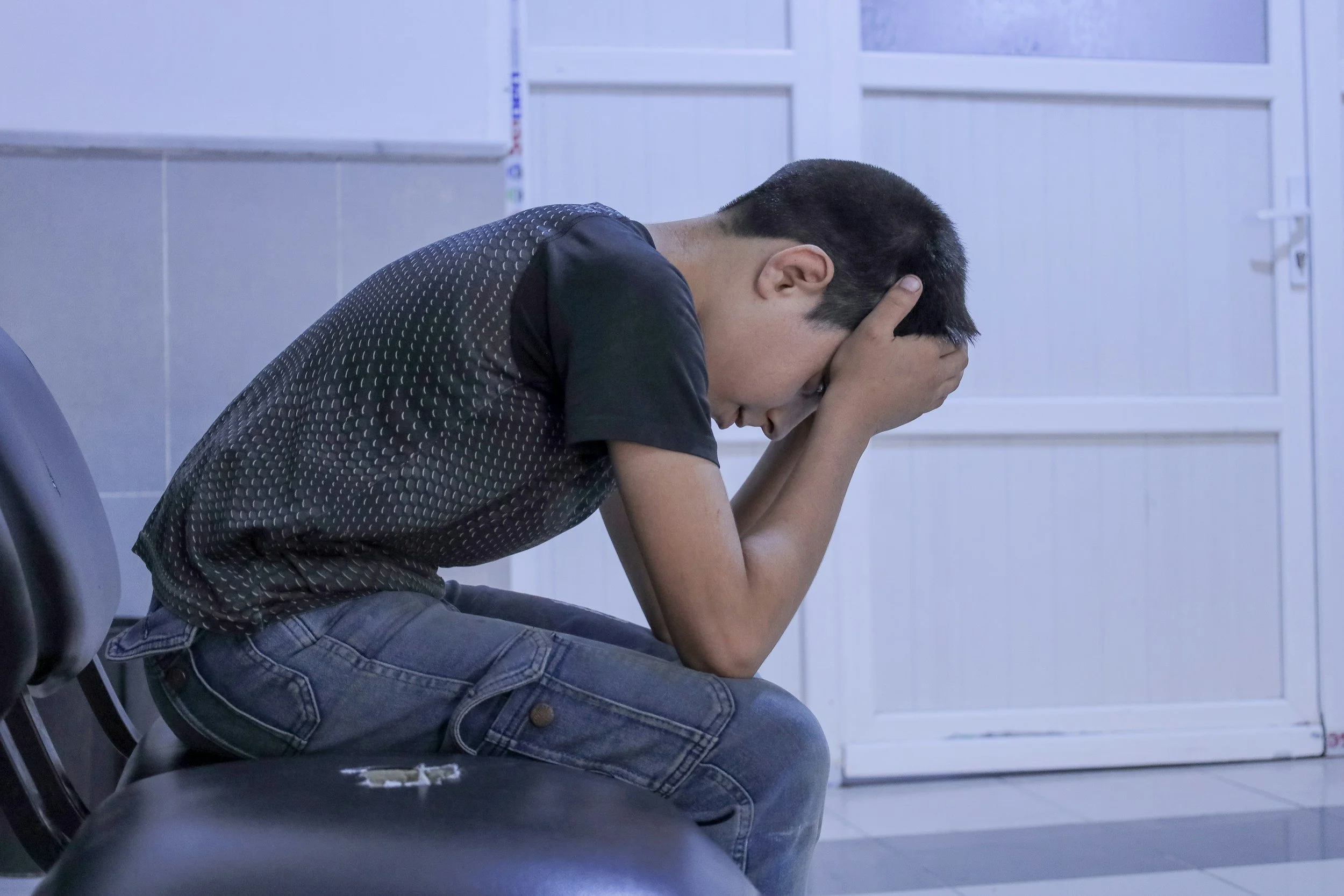
Photo of: Autistic teen sitting down, overwhelmed, after school crash.
When things feel overwhelming, a calm space can make a difference.
You can use our Calm Corner Checklist to build one that supports your teen’s nervous system.
Why Teens Fall Apart After School
1. All-Day Masking and Self-Control
Many autistic and neurodivergent teens spend the school day masking—suppressing natural behaviors, stims, sensory needs, and emotional reactions to meet social expectations.
That takes an enormous amount of energy.
By the time they get home, the “holding it together” muscles are exhausted. Home feels safe enough for the body to finally release.
2. Sensory Overload Adds Up
School environments are full of sensory input:
Bright fluorescent lights
Loud hallways and cafeterias
Constant social interaction
Unpredictable schedules
Tight clothing or uncomfortable seating
Even if each trigger seems small, the cumulative effect overwhelms the nervous system.
3. Executive Function Fatigue
School demands constant mental work:
Following instructions
Switching tasks
Remembering materials
Managing time
Navigating social rules
This level of executive functioning can leave teens completely depleted by dismissal.
4. Delayed Emotional Processing
Some teens don’t process emotions in real time. Instead, feelings get “stored” during the school day and surface later—often at home, where it’s finally safe.
What This Is Not
Let’s be clear about what after-school meltdowns are not:
❌ Not attention-seeking
❌ Not defiance
❌ Not poor parenting
❌ Not something your teen can simply “try harder” to control
This is a nervous system response, not a behavior problem.
Save This For Later!

Infographic Of: Common After-School Dysregulation Signs Parents See
Common After-School Signs Parents See
Every teen is different, but common patterns include:
Sudden irritability or anger
Crying “out of nowhere”
Shutting down or going silent
Explosive reactions to small requests
Needing complete isolation
Complaints of headaches or stomachaches
These are all signs of overload—not misbehavior.

Photo of: A burnt-out Autistic teen.
What Helps: Gentle, Practical Strategies
1. Create a Predictable Decompression Routine
Avoid jumping straight into questions or tasks.
Helpful first-hour options:
Quiet time alone
Headphones or calming music
A favorite snack
Coloring, drawing, or low-demand play
Sitting in a calm, dim space
Think regulation before conversation.
2. Lower Demands Right After School
This is not the time for:
Homework lectures
Chores
Social questions
Emotional processing
Even neutral questions like “How was your day?” can feel overwhelming. Try later—after the regulation has returned.
3. Validate Without Fixing
You don’t need the perfect words. Simple validation helps more than solutions.
Try:
“That was a long day.”
“Your body looks really tired.”
“You’re safe here.”
“We don’t need to talk yet.”
Feeling understood reduces nervous-system stress.
4. Build a Sensory-Safe Space at Home
A designated calm area can make a huge difference:
Soft lighting
Weighted blanket or hoodie
Fidgets or sensory tools
Noise-reducing headphones
This tells your teen’s body: You can relax now.
5. Schedule Demands Strategically
If possible:
Delay homework until after a break
Break assignments into smaller chunks
Offer choices about when and how tasks get done
Flexibility protects emotional regulation.
6. Watch for Burnout Patterns
If after-school meltdowns are increasing or lasting longer, it may signal chronic burnout.
Signs include:
Loss of interest in previously enjoyed activities
Increased shutdowns
Persistent fatigue
Heightened anxiety or depression
If you notice this, reducing demands—not adding more—is often the most supportive step.
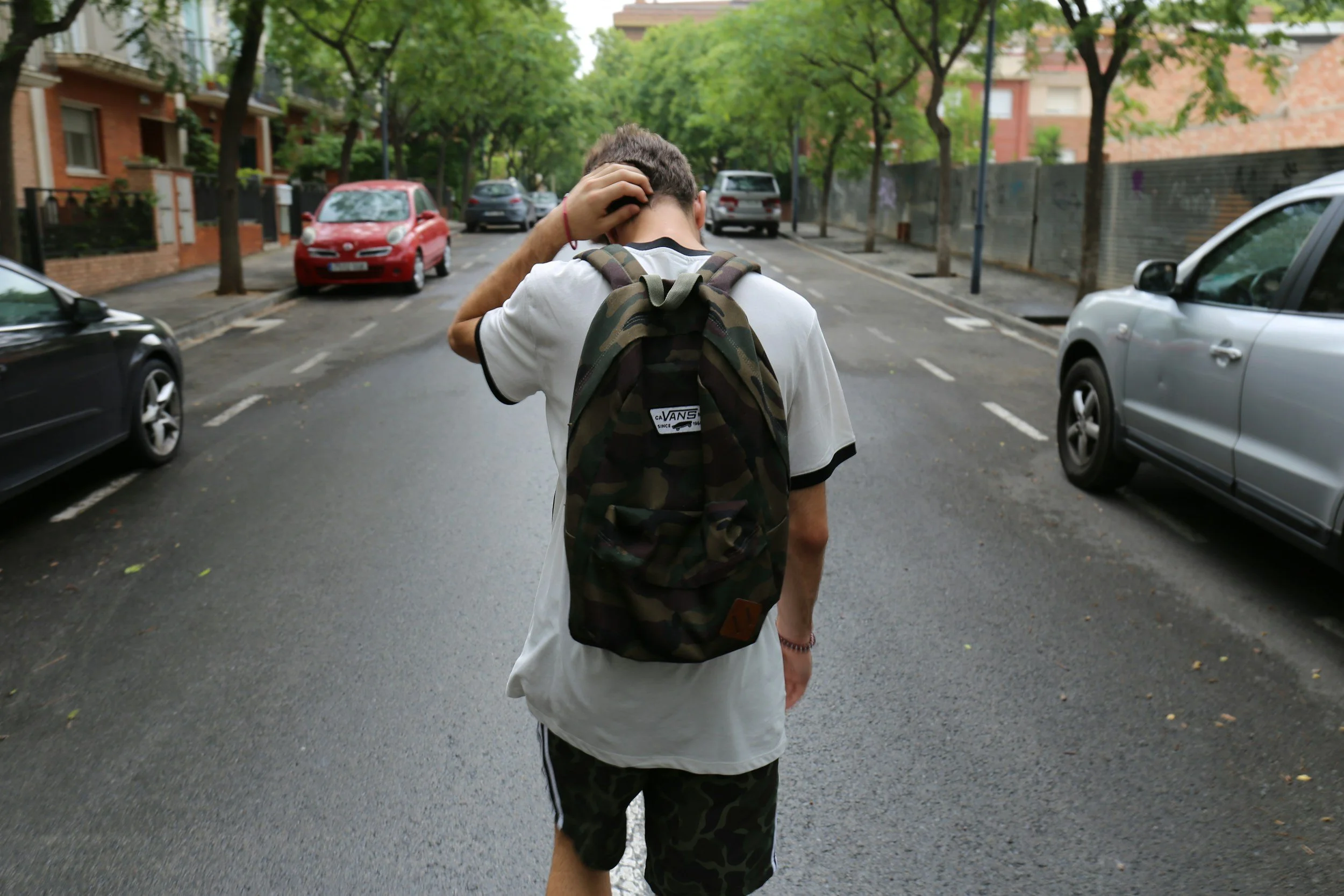
Photo of: Autistic teen walking down the street, overstimulated.
What Not to Say (Even When You’re Tired)
Avoid phrases that unintentionally increase stress:
“You were fine at school.”
“Just calm down.”
“Other kids handle this.”
“Why are you like this?”
Even well-meant comments can feel invalidating when the nervous system is overwhelmed.
When to Seek Extra Support
Consider additional support if:
Meltdowns escalate into safety concerns
Your teen talks about hopelessness or self-harm
School demands feel unmanageable
You feel stuck or overwhelmed as a parent
A neurodiversity-affirming therapist, occupational therapist, or school support team can help adjust expectations and supports.
A Final Reassurance for Parents
When your teen falls apart after school, it doesn’t mean you’re failing—or that they are.
It means:
They worked incredibly hard all day
Their nervous system reached its limit
Home is the place where they feel safe enough to release
With understanding, structure, and compassion, these moments can become less intense—and your teen can learn how to recover more gently.
You’re not alone in this. And your teen isn’t broken.
They’re exhausted—and deserving of care.
Many autistic teens love learning but struggle deeply within traditional school environments. Understanding this difference can shift how parents advocate, support, and plan next steps.
📘 Recommended next read:
“Why My Autistic Teen Hates School but Loves Learning” — exploring sensory overload, rigid expectations, and alternative ways learning can thrive.

Infographic of: Why Autistic teens hate school but love learning.