
Why Mandalas Help with Sensory Regulation: A Calming Tool for Neurodivergent Minds
Coloring is more than just a quiet hobby—it’s a scientifically-backed tool for relaxation, sensory integration, and emotional healing. One of the most effective and beloved designs in therapeutic coloring is the mandala. These beautifully intricate, circular patterns aren’t just visually appealing—they have powerful benefits for the autistic and neurodivergent brain.
At Mindful Marks, we use mandala designs intentionally throughout our coloring books. Let’s explore what mandalas are, why they’re so effective, and how they help with sensory regulation for children and teens.
What Is a Mandala?
The word mandala comes from the Sanskrit word meaning "circle" or "center." Traditionally used in spiritual rituals across many cultures (including Hinduism, Buddhism, and Indigenous traditions), mandalas represent wholeness, unity, and balance.
In coloring form, mandalas are typically symmetrical circular patterns radiating from the center outward. Their predictable repetition and visual rhythm are key to their calming effects.
Why Mandalas Are So Effective for Sensory Regulation
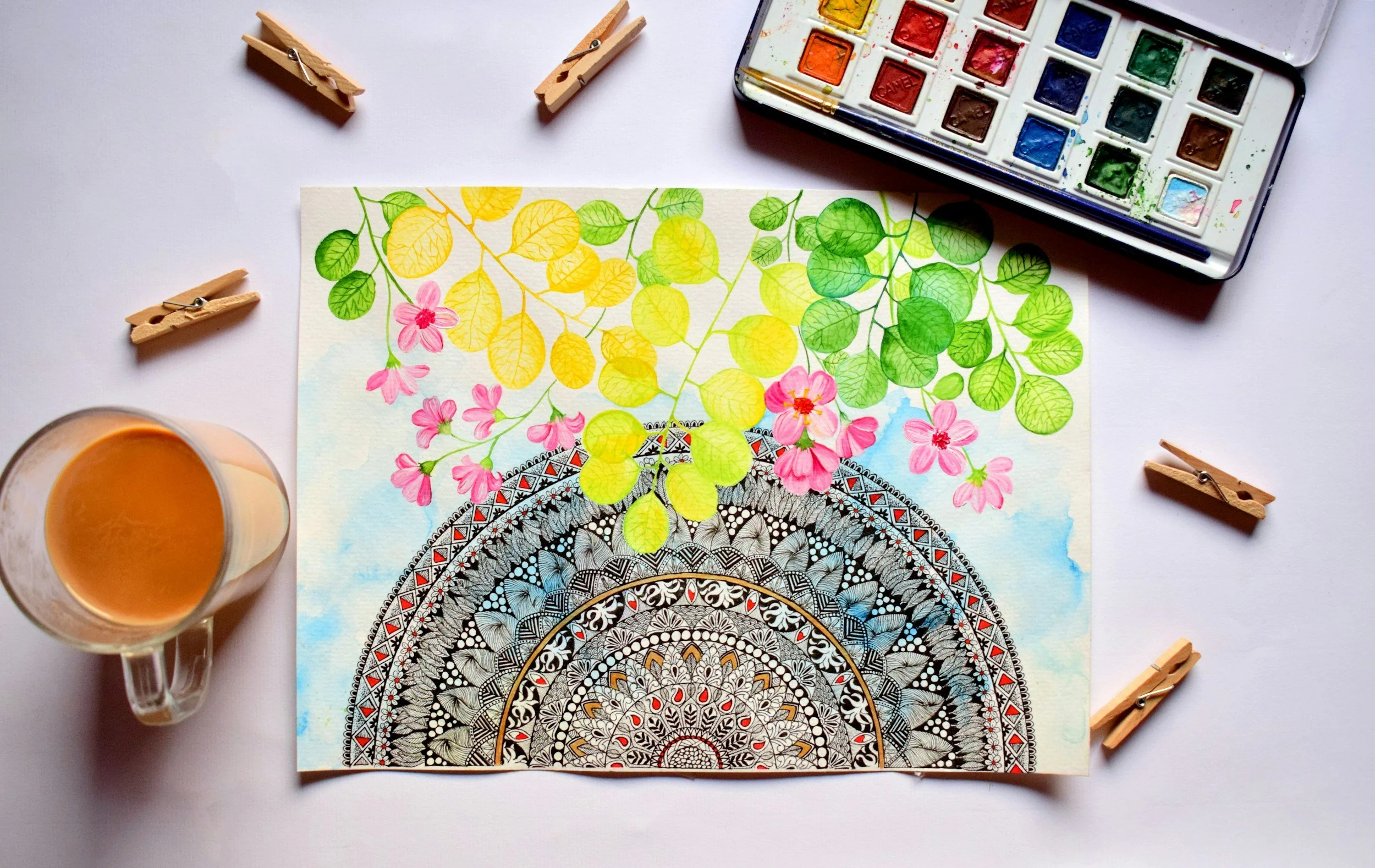
Let’s break down the five ways mandalas help the brain and body regulate sensory input—especially for autistic children and teens:
1. Repetitive Patterns Calm the Nervous System
The structured repetition of mandala designs provides predictable sensory input, which can be incredibly soothing to the brain—especially for children who experience sensory overload.
For autistic individuals, unpredictable stimuli (loud sounds, flashing lights, chaotic environments) can trigger meltdowns. Mandalas offer the opposite: symmetry, repetition, and flow.
“Coloring a mandala feels like my thoughts slow down to match the pattern.” – Teen user feedback
2. Focus on the Center Encourages Grounding
Mandalas start at the center and build outward, guiding the eyes and mind in a structured, calming direction. This inward-to-outward focus mimics many grounding techniques used in therapy, like breathing exercises and body scans.
As the user colors section by section, they naturally slow their breathing, quiet racing thoughts, and regulate emotional energy.
3. Low-Pressure, High-Focus Activity
Mandalas provide just the right amount of structure without demanding perfection. There’s no right or wrong way to color one—just space to be present.
This balance of creative freedom + visual guidance is ideal for neurodivergent children and teens who may experience:
Perfectionism or anxiety around “messing up”
Difficulty with open-ended activities
Executive function challenges
Mandalas say: “You’re in control here. Go at your own pace.”
4. Supports Sensory Integration
Sensory integration is the brain's process of organizing and responding to information from the senses. When this system is out of sync, children may feel dysregulated, distracted, or overwhelmed.
Coloring mandalas supports sensory integration by engaging:
Visual processing (colors, shapes, symmetry)
Fine motor skills (hand movements, grip, spatial awareness)
Tactile feedback (through crayons, pens, markers)
These sensory experiences happen in a controlled, self-directed way, allowing the brain to practice managing input in a safe, predictable setting.
5. Improves Mindfulness & Emotional Awareness
Mandalas invite the user to stay in the moment—which is the foundation of mindfulness. Even a few minutes of focused coloring can help teens:
Reduce feelings of anxiety or frustration
Tune into their body and emotions
Develop emotional vocabulary (“I feel better when I color this section”)
For those who struggle to verbalize emotions (common in autism and ADHD), coloring a mandala can become a non-verbal outlet for emotional regulation.
Why We Design Our Mandalas with Sensory-Friendly Features
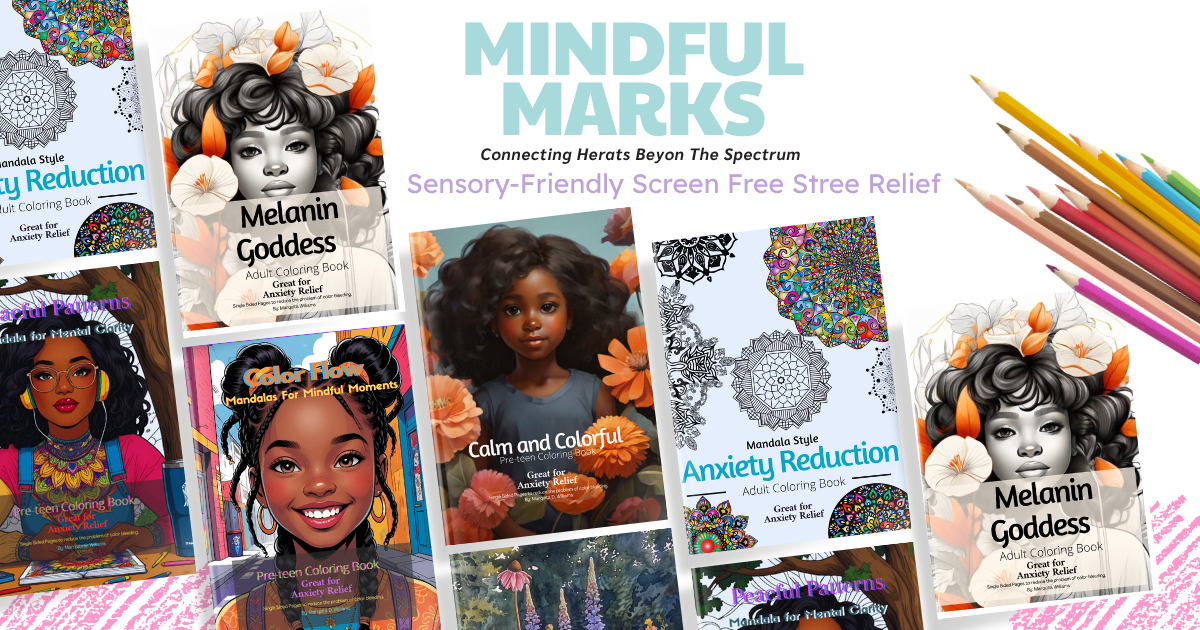
At Mindful Marks, we design our mandalas with autism- and ADHD-friendly features:
Clean line art – avoids overstimulation and visual noise
Large and small spaces – supports varying motor skills
Open-ended structure – no color suggestions, no pressure
Single-sided pages – for focus and ease of use
Inclusive affirmations (optional) – for older children and teens
We also offer “start anywhere” designs, which reduce perfectionism and allow for freedom of entry—perfect for neurodivergent minds who benefit from flexibility.
How to Use Mandalas in a Calm Corner or Classroom
If you're setting up a calm corner, therapy room, or classroom space, here’s how to integrate mandala coloring successfully:
🔹 Keep a few printed mandala pages readily available
🔹 Offer a variety of coloring tools (gel pens, colored pencils, crayons)
🔹 Use during transitions, before/after therapy, or to cool down after an overwhelming situation
🔹 Allow the child or teen to choose when and how to engage—autonomy is key
Try Our Mandala Tools for Teens and Tweens
Final Thoughts from us:
Mandalas aren’t just beautiful—they’re powerful. For neurodivergent children and teens, they offer a way to slow down the world, tune into the body, and regulate the senses.
Whether you’re a parent, teacher, or therapist, adding mandalas to your child’s routine might just become the most peaceful part of their day.
Whether you’re a parent, teacher, or therapist, adding mandalas to your child’s routine might just become the most peaceful part of their day.
One Thing to Try Tonight
Create a 5-Minute Mandala Pause
Choose one simple mandala (printed or digital).
Sit nearby while your teen colors or traces without instruction or correction.
Invite them to:
Pick one color only, or
Trace the same shape repeatedly
Keep the space quiet and predictable.
No talking is required.
After 5 minutes, simply say:
“We can stop whenever you want.”
Why this helps:
Mandala patterns offer repetition, symmetry, and visual predictability — all of which can help calm the nervous system without needing verbal processing or emotional explanation.