
Therapeutic Coloring: Why It Works for Autistic Teens
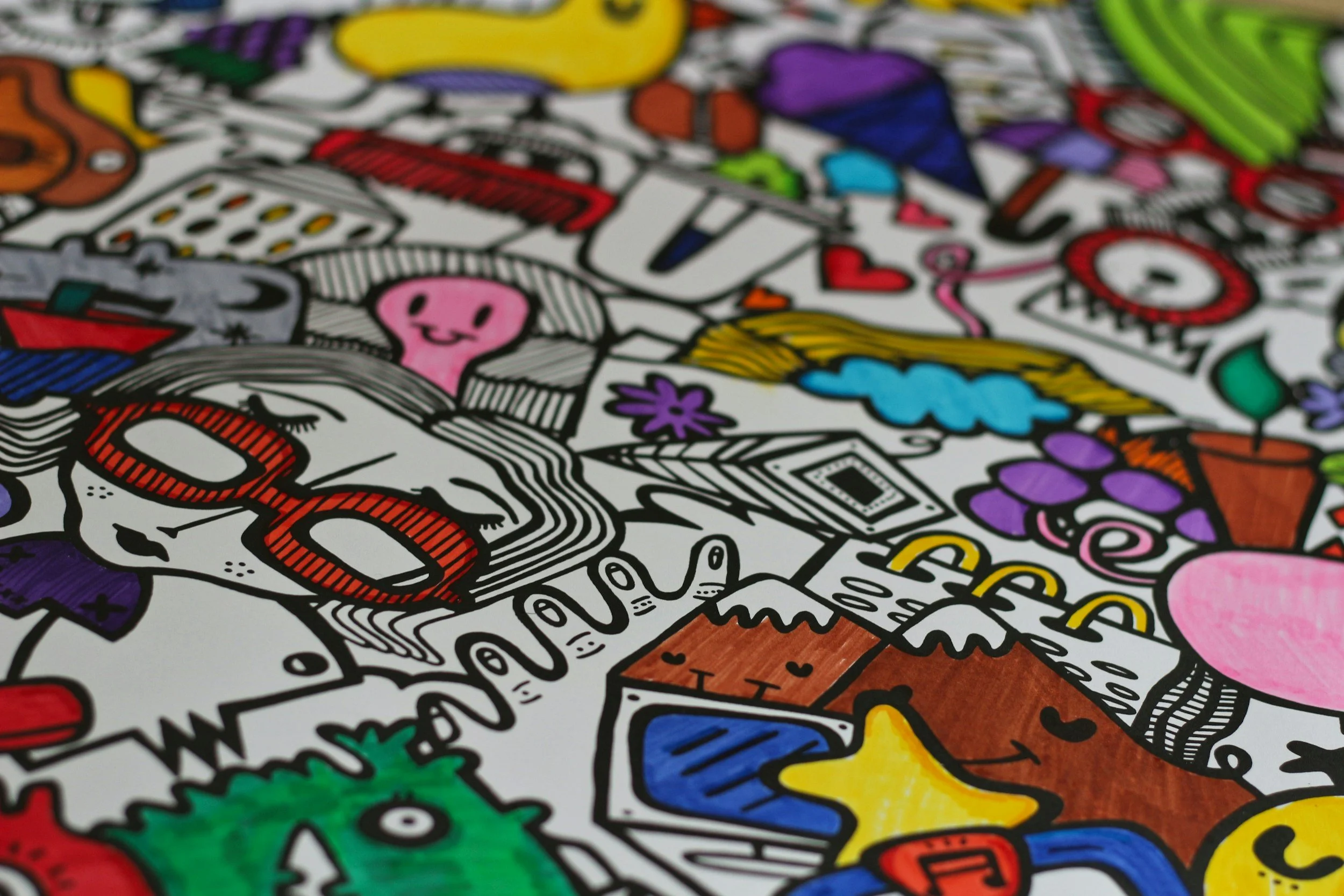
Coloring is more than just a relaxing pastime—it’s a therapeutic tool that can support emotional regulation, focus, and self-expression. For autistic teens, who often navigate sensory sensitivities, stress, and unique ways of processing the world, coloring offers a safe and empowering activity that blends creativity with calming structure. This post explores the science and psychology behind the effectiveness of therapeutic coloring, examining how it can play a meaningful role in daily life.
The Science of Coloring and Emotional Regulation
Coloring activates the brain in a way similar to mindfulness practices. Studies in art therapy and psychology have shown that structured creative activities, like filling in patterns or images, can reduce anxiety and promote relaxation. Here’s why:
Activating the Parasympathetic Nervous System: Coloring can slow the heart rate, reduce cortisol (the stress hormone), and activate the parasympathetic nervous system—the body’s natural “calm mode.”
Predictable Patterns Reduce Overwhelm: For autistic teens, navigating the unpredictability of daily life can be overwhelming. Coloring provides predictable, repetitive movements and clear boundaries within a page, creating a sense of safety and control.
Tactile and Visual Regulation: The act of holding pencils, choosing colors, and filling spaces provides a multisensory experience that can help regulate sensory input, supporting both fine motor skills and emotional balance.

Coloring as a Tool for Focus and Attention
Sustaining attention can be difficult for many autistic teens, especially when distractions or stressors are present. Coloring helps in several ways:
Flow State Engagement: Coloring can foster a “flow state”—a deep focus where time feels less relevant and the mind is immersed in the task. This can increase attention span and reduce restlessness.
Reducing Intrusive Thoughts: By focusing on the present moment and the act of coloring, teens may find it easier to quiet intrusive or repetitive thoughts that often accompany anxiety.
Boosting Executive Functioning: The process of making choices (colors, patterns, sequencing) supports planning, organization, and decision-making, which are key executive functioning skills.
Creativity and Self-Expression
Art is a language beyond words, and for autistic teens—especially those who find verbal communication challenging—coloring can provide a safe way to express feelings.
Freedom in Structure: While coloring books provide outlines and boundaries, the choice of colors, blending, and shading is completely individual. This balance between structure and freedom is especially beneficial for autistic teens who thrive with clear frameworks but also need outlets for creativity.
Mood Expression Through Color: Colors can act as symbols of mood or identity. For instance, bright yellows and oranges might reflect joy, while cooler tones like blue or purple may express calm or introspection. Encouraging teens to notice and reflect on their choices can open meaningful conversations about emotions.
Confidence Building: Completing a page offers a tangible sense of accomplishment. Over time, this can build confidence, self-esteem, and pride in personal creativity.
Why Therapeutic Coloring Stands the Test of Time
While trends in wellness come and go, coloring remains timeless. Its benefits don’t rely on expensive tools, technology, or specialized training. All that’s needed is paper and pencils—or even digital coloring apps. For autistic teens, this accessibility makes coloring an adaptable tool that can be used at school, at home, or during transitions like travel or therapy sessions.
Portable Calm: A coloring book can be brought anywhere, turning stressful waiting rooms or noisy environments into manageable moments.
Family and Group Connection: Coloring can be done solo or as a shared activity. Families, teachers, or therapists can color alongside teens, creating connection without pressure for conversation.
Consistency Over Time: Unlike other activities that require constant novelty, coloring’s repetitive but flexible nature keeps it fresh, calming, and supportive at every stage of life.
Practical Tips for Parents and Teens
Choose Sensory-Friendly Materials: Soft-grip pencils, markers with low odor, or digital tablets can make coloring more comfortable for teens with sensory sensitivities.
Use Themes That Reflect Interests: Pages with relatable designs—such as mandalas, animals, or affirmations—encourage deeper engagement.
Pair Coloring with Mindful Practices: Encourage deep breathing or calming music while coloring to amplify stress relief.
Encourage Reflection: After finishing, invite teens to share what colors or patterns they used and how it made them feel, if they’re comfortable.
Final Thoughts
Therapeutic coloring works because it sits at the intersection of science and creativity. It provides autistic teens with structure, emotional regulation, focus, and a canvas for self-expression—all while being enjoyable and accessible. Far from being “just for kids,” coloring is a timeless tool that can empower autistic teens to regulate their emotions, sharpen their focus, and celebrate their creativity in ways that honor their individuality.
By embracing therapeutic coloring, families and educators can give autistic teens a powerful resource for both daily calm and long-term growth.
✨ Resource Suggestions
The American Art Therapy Association (arttherapy.org) – Resources on art therapy research.
Autism Society (autism-society.org) – Support and information for autistic teens and their families.
Mindful Coloring Apps like Lake: Coloring Books or Pigment – Sensory-friendly digital coloring platforms.