
How to Support Social Skills Without Pushing Social Norms
For many parents, educators, and therapists, supporting an autistic child or teen’s social development can feel like walking a fine line. On one hand, social skills are important for building friendships, navigating school, and preparing for adulthood. On the other hand, too much focus on “fitting in” or masking can pressure young people to abandon their authentic selves to meet rigid social norms.
The truth is that social growth should never mean sacrificing individuality. Instead, the goal should be to help children and teens build communication strategies, confidence, and meaningful connections—without forcing conformity.
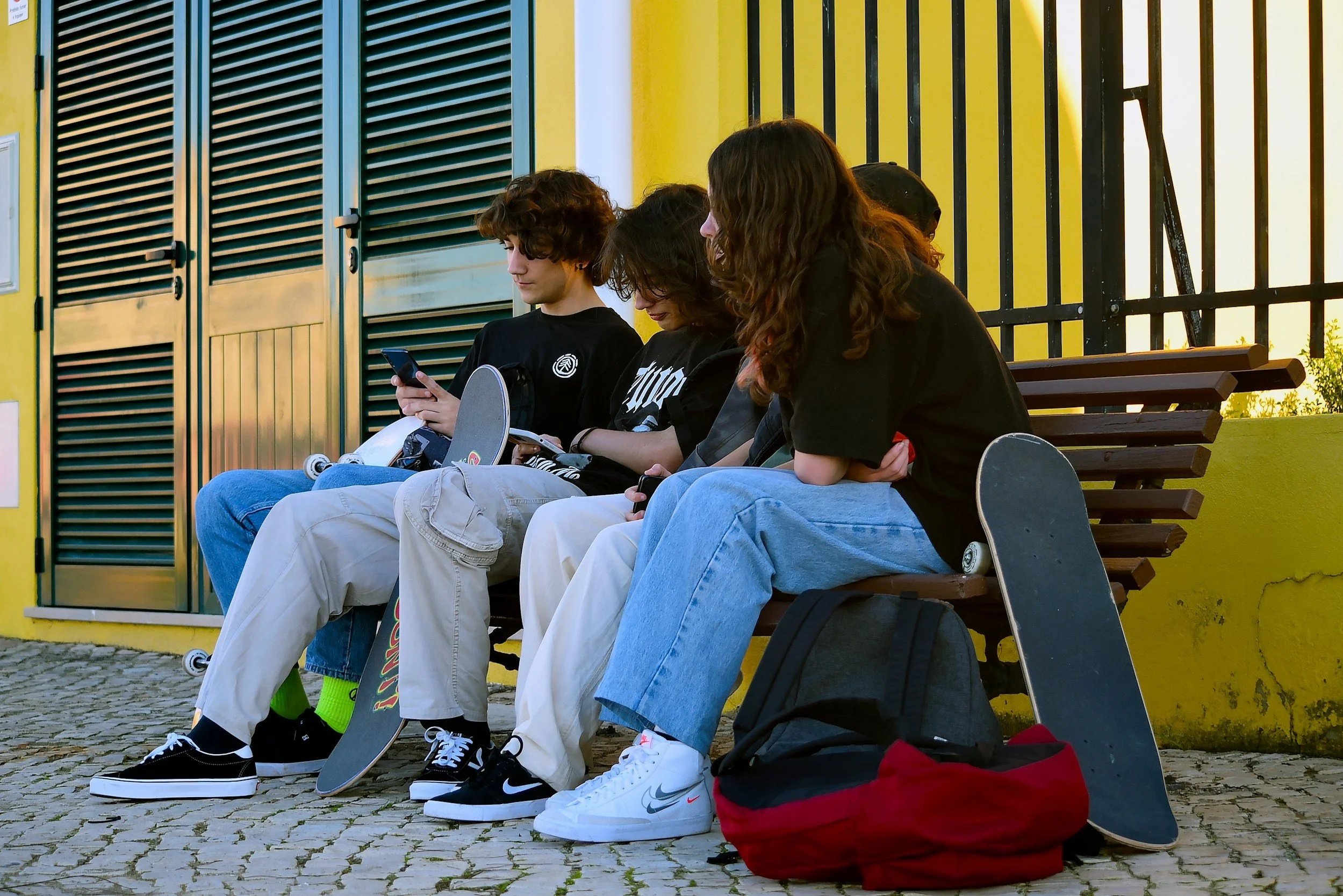
Photo of: Autistic teen outside in a social setting.
Why Traditional Social Skills Training Can Miss the Mark
Traditional social skills programs often emphasize “appropriate” body language, tone of voice, or conversation patterns. For example, children might be taught to make eye contact, smile at the “right” times, or use small talk to fill silence. While these strategies can be useful in some contexts, they often:
Encourage masking: Autistic teenagers may feel pressured to hide or suppress their natural communication style.
Prioritize social norms over well-being: Eye contact, for instance, is not necessary for effective communication and can be distressing for some.
Ignore individual strengths: Focusing on what a teen “lacks” can overshadow what they do well—such as honesty, creativity, or deep knowledge of a topic.
Want a tool you can use right away?
Download the free Double Empathy Bridge: 2-Page Guide — a simple 3-step approach to reduce miscommunication and build mutual understanding.
Save this for later!
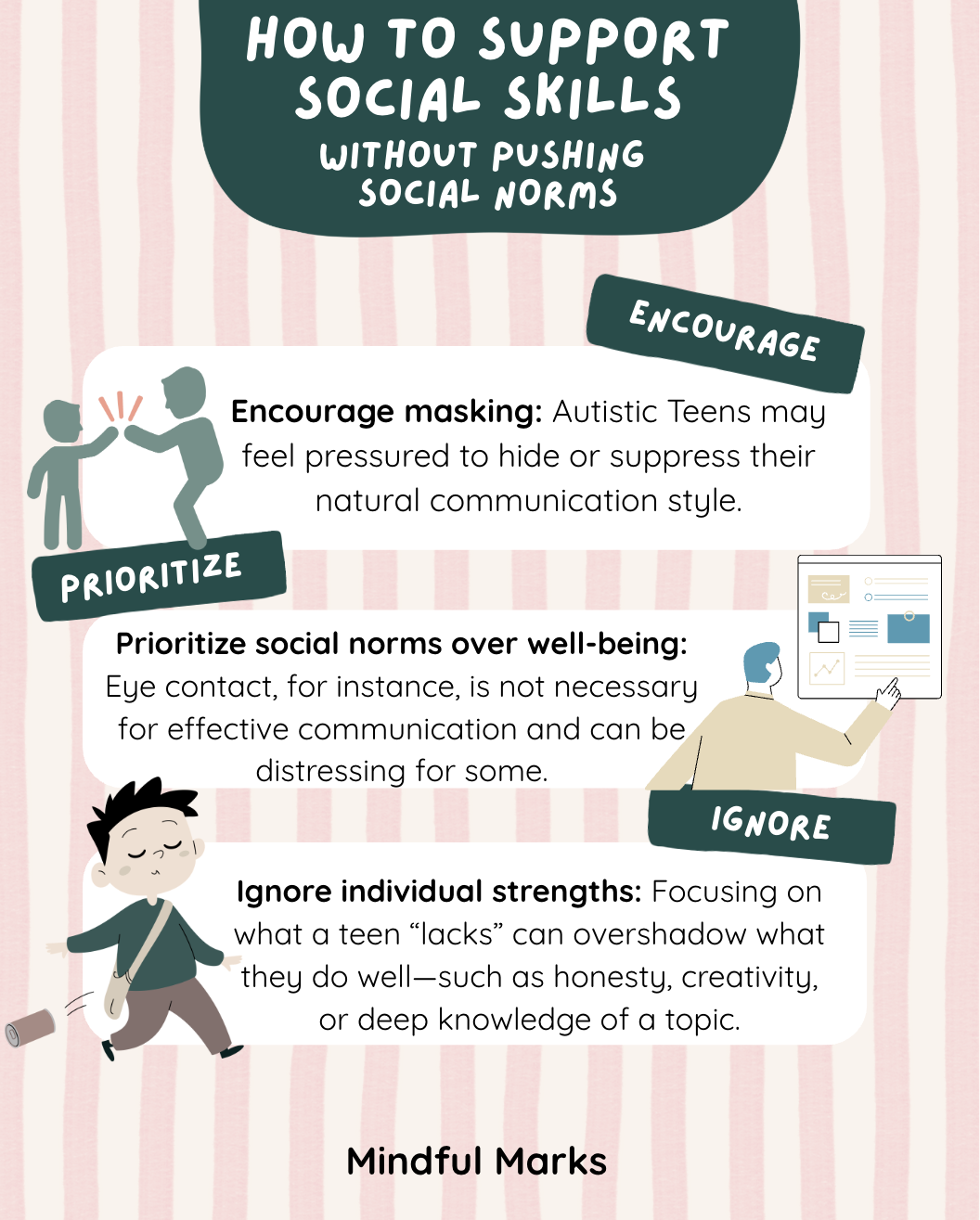
Infographic of: How to Support Social Skills in teens with autism.
Shifting the Goal: From Fitting In to Building Connection
Supporting social skills without pushing conformity means reframing the purpose of social learning. Instead of aiming to make a child look “typical,” the goal should be to help them connect, communicate, and navigate the world in ways that work for them.
Practical Strategies for Supporting Social Skills Authentically
Here are some ways parents, educators, and caregivers can nurture social growth without erasing individuality:
1. Focus on Mutual Understanding
Encourage children to recognize that communication is a two-way street. Instead of teaching “scripts,” help them explore how to share their perspective and also listen to others—without requiring them to mimic typical behavior.
2. Celebrate Different Communication Styles
Some children prefer written communication, drawing, or even using AAC (Augmentative and Alternative Communication) devices. Recognize and validate these methods as just as meaningful as spoken words.
3. Practice Real-Life Scenarios
Instead of drilling “social rules,” role-play real-life situations the child may encounter—ordering food, asking a teacher for help, or joining a game at recess. Frame these scenarios as tools for independence, not performance.
4. Teach Self-Advocacy
Encourage children to express their needs openly, such as saying, “I don’t like eye contact, but I am listening.” This not only supports confidence but also teaches others to respect differences.
5. Build on Strengths
If a child loves a specific interest—such as trains, coding, or drawing—use it as a bridge for social connection. Shared passions often lead to genuine friendships.
6. Model Respect for Boundaries
Teach that it’s okay to say “no,” take breaks, or leave overwhelming situations. Respecting personal limits is a key part of healthy relationships.
A Note for Parents and Educators
Supporting social skills isn’t about teaching children how to fit in at all costs. It’s about giving them the tools to build relationships that feel safe, respectful, and rewarding—on their own terms. When we shift from “normalizing” to empowering, we foster environments where differences are embraced, not erased.

Photo of: Autistic Teens out together socializing.
Resources for Further Reading
Autistic Self Advocacy Network (ASAN): https://autisticadvocacy.org
The Autism Self Advocacy Library – Free resources on communication and self-advocacy.
Books: Unmasking Autism by Devon Price; NeuroTribes by Steve Silberman.
If this topic resonated with you, you’re not alone—and there’s more support available. Our Resource Hub is designed to help parents navigate real-life challenges with clarity and care.
Ready to bridge the communication gap?
Download the free Double Empathy Bridge: 1-Page Guide and get ready-to-use scripts for clearer, calmer conversations. Get your free guide here.
🔎 Explore next:
“Quick Answers Parents Google at 2am: Support for Parents of Autistic Teens” — a practical, easy-to-scan guide for the questions that often come up during the hardest moments.

Infographic of: Support For Parents of Autistic Teenagers.