Our Detailed calm corner Set up..
Creating a Calm Corner at home can be one of the most supportive things you do for an autistic or neurodivergent child or teen. Not because it “stops” big feelings, but because it offers a predictable place to pause, reset, and reconnect with their body and mind.
A Calm Corner is not a time-out. It is not a consequence. It is an invitation. It says, “Your nervous system matters here. Your needs are real. You can take a break on your own terms.”
This post walks through what a Calm Corner is, why it can be especially helpful for autistic teens, how to set one up in a way that respects autonomy, and what kinds of tools and visuals can make the space truly supportive.
What is a Calm Corner?
A Calm Corner is a dedicated space where a child or teen can go to:
regulate emotions
take a sensory break
decompress after overwhelm
reset after conflict or a hard transition
The goal is not to “calm down quickly.” The goal is to create a consistent, emotionally safe option for self-regulation.
For many autistic teens, everyday life includes frequent demands: social expectations, sensory input, changes in routine, school stress, masking, and pressure to “act fine.” A Calm Corner can be one small part of a bigger support plan that communicates safety and choice.
Why Calm Corners can be especially helpful for autistic teens
A Calm Corner works best when it is:
predictable: always available and familiar
choice-driven: the teen decides when and how to use it
sensory-safe: customized to their nervous system
non-judgmental: no pressure to explain, apologize, or perform
empowering: supports independence and self-awareness over time
Autistic teens often know when something feels “too much,” even if putting it into words is hard in the moment. A space that supports the body first (sensory comfort, reduced input, grounding tools) can make it easier to later reconnect emotionally and cognitively.
Calm Corner mindset: boundaries without walls
One of the most important pieces is the meaning you attach to the space.
A Calm Corner should never be framed as:
a punishment
an isolation strategy
a place to “go until you can behave”
a way to avoid supporting a teen
Instead, try language like:
“Do you want a break spot or some support right now?”
“Your body looks overwhelmed. We can pause.”
“You are allowed to reset.”
This helps teens learn that emotional regulation is not something they earn through compliance. It is something they deserve because they are human.
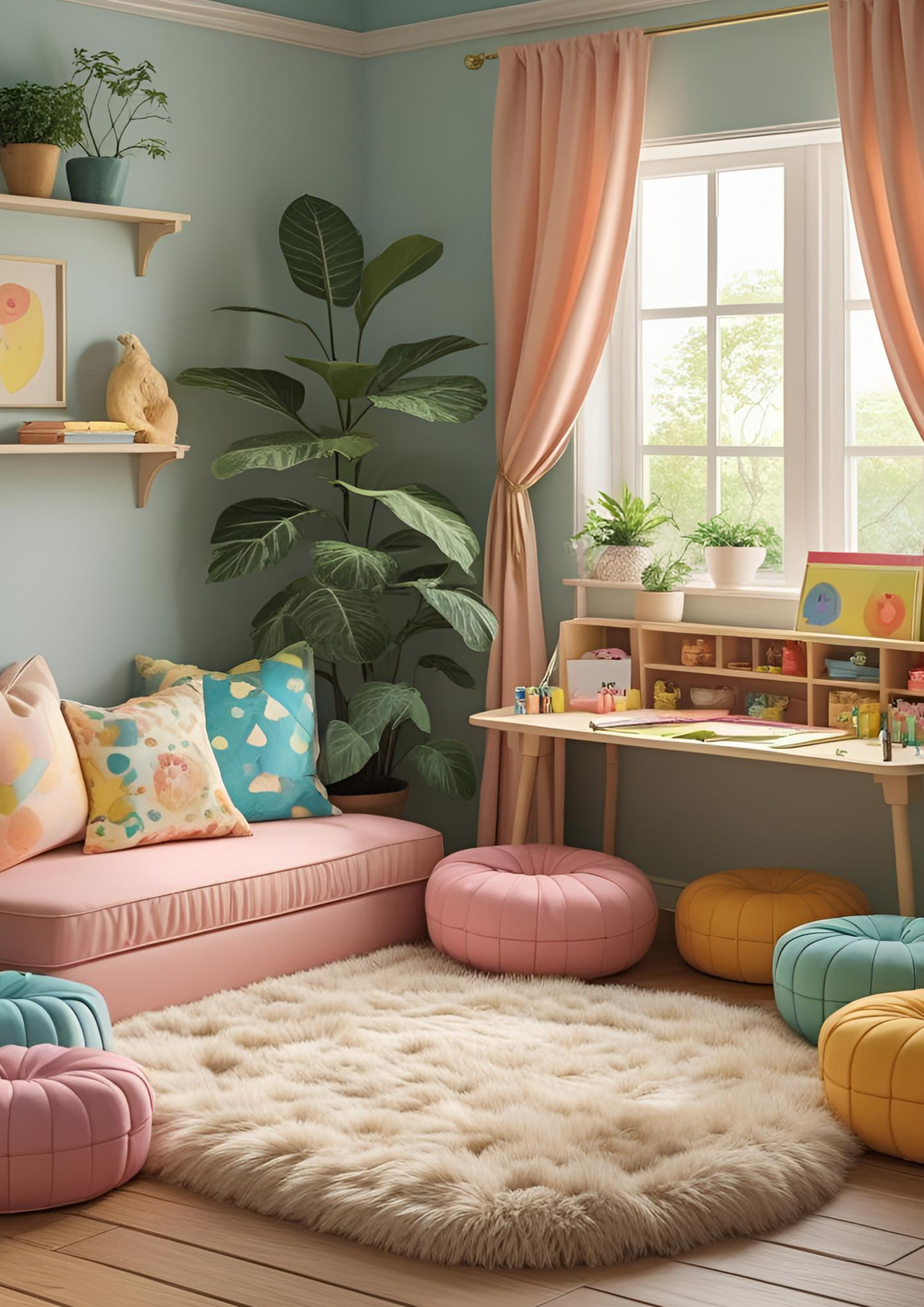
How to set up a Calm Corner (step-by-step)
There is no one perfect Calm Corner. The best setup is the one your teen will actually use.
If it helps to have a simple, printable guide, you’re welcome to download our Calm Corner Checklist.
1) Choose a quiet, low-traffic spot
Pick a space that naturally reduces sensory demands.
Helpful locations often include:
a corner of a bedroom
a nook near a window
a spot by a bookshelf
a calm area away from screens and loud household traffic
Natural light can be soothing for many people, but lighting needs are personal. If bright light is a trigger, softer lighting may work better.
2) Create boundaries without building a “wall”
A Calm Corner does not need to be hidden or closed off. It simply needs a clear signal: this space is different.
You can create that signal with:
a soft room divider
a rug or floor mat
a bean bag or floor cushion
a small shelf or basket of tools
This separation is not about isolation. It is about giving the nervous system a cue: “This is the reset zone.”
3) Involve your teen in the setup
Autonomy is key.
Try asking:
“What would make this space feel like yours?”
“What helps your body feel safer when you are overwhelmed?”
“Do you want quiet in here, sound in here, or the option to choose?”
Teens may have strong preferences around:
textures
scents
lighting
sound
whether they want items visible or tucked away
When teens help design the space, they are more likely to trust it, use it, and feel respected.
4) Keep the setup simple at first
Many families start with too many items, then feel discouraged when it is not used.
A gentler approach:
start with a few trusted tools
try them for a week or two
adjust based on what your teen actually reaches for
The Calm Corner can evolve over time.
What to include in a Calm Corner (mix-and-match)
Below are common Calm Corner tools and supports. You do not need all of them. Choose based on your teen’s sensory preferences and comfort.
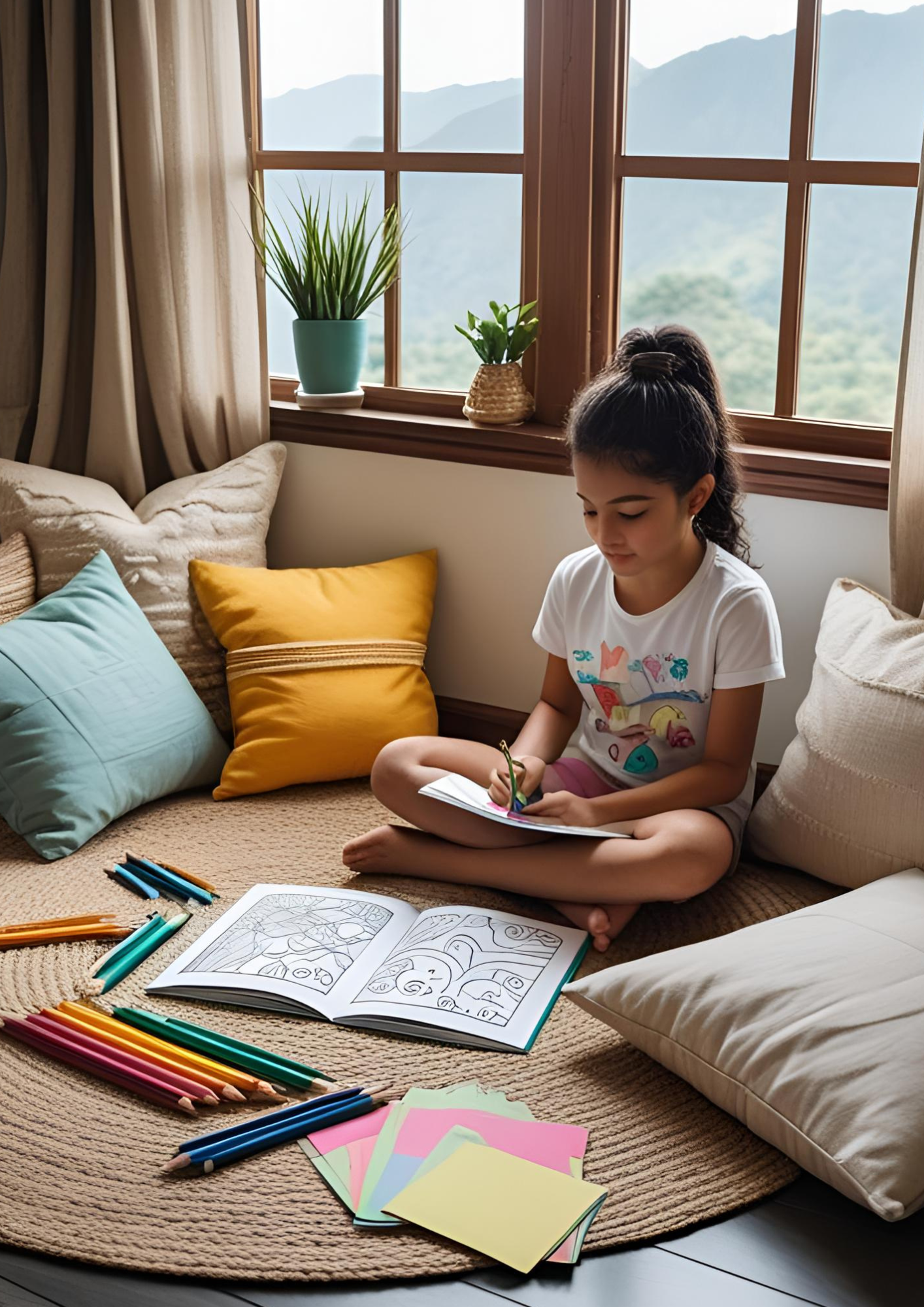
Therapeutic coloring books and calming pages
Coloring can be a regulating activity because it is predictable, rhythmic, and sensory in a controllable way.
Ideas to include:
calming coloring pages with emotion words
mandalas
nature scenes
simple pattern pages
Many teens prefer:
soft colored pencils
weighted crayons
a sturdy clipboard or hard surface
If your teen enjoys coloring as a coping tool, a small folder of favorite pages can be a great low-pressure option.
Sensory tools and fidgets
Sensory tools are not “toys.” They are accommodations.
Options may include:
squishy fidgets
chewy necklaces (if chewing is regulating)
a small weighted lap pad
a mini vibrating pillow (for sensory input)
Some teens prefer deep pressure. Others prefer movement, texture, or oral input. The key is matching tools to what helps their nervous system.
Emotion regulation tools (visual supports)
When a teen is overwhelmed, talking can feel impossible. Visual supports reduce the demand to explain.
Helpful visuals:
a visual emotion wheel
printable emotion check-in cards
a “What Helps Me Feel Calm?” chart with a few options to try
Keep the options short and realistic. The chart is not a to-do list. It is a menu.
Noise-reducing or soothing sound options
Sound can either overwhelm or regulate, depending on the teen.
Supportive options:
a Bluetooth speaker for ocean or rain sounds
noise-canceling headphones
a “sound box” or playlist with a predictable, familiar set of tracks
If you use sound, keep it optional and easy to turn off.
Comfort items
Comfort items can help the body feel safe.
Examples:
soft throw blanket
stuffed animal or plush
favorite hoodie or robe
calming scents like lavender roll-on (only if scent is not a trigger)
Some autistic teens find scent deeply regulating. Others find it instantly overwhelming. When in doubt, keep scent out until you know it is welcome.
Self-guided coping tools (for teens who prefer independence)
Many teens want space to regulate privately. Self-guided tools help them do that without needing a conversation.
Ideas:
coping strategy cards (short, simple prompts)
positive affirmation cards (identity-respecting, not forced positivity)
breathing visual aids (like square breathing)
Keep the tone gentle. Coping tools work best when they feel like support, not instructions.
A calm corner “menu” (simple template)
If you want a quick way to start, try posting a small menu in the space:
I want quiet.
I want pressure.
I want movement.
I want something to do with my hands.
I want music or rain sounds.
I want to be alone for a bit.
I want someone nearby.
This helps teens name needs without having to talk a lot.
What not to do (gentle reminders)
A Calm Corner is most effective when it stays emotionally safe.
Try to avoid:
forcing a teen into the space
using it only after “misbehavior”
requiring eye contact, apologies, or discussions before they can leave
adding too many items that create visual overwhelm
expecting it to “fix” meltdowns
Instead, aim for:
consistent access
low pressure
flexible options
respect for privacy and autonomy
Troubleshooting: if your teen refuses the Calm Corner
This is common, and it does not mean you failed.
A few reasons teens might avoid it:
it feels like a punishment (even unintentionally)
it is too public or too exposed
the tools do not match their sensory needs
they do not want to be watched
they feel pressured to use it “correctly”
Gentle next steps:
invite feedback: “What would make this space feel safer?”
change the name: “reset spot,” “quiet zone,” “recharge corner,” “sensory nook”
try a portable Calm Corner: a basket of tools they can bring anywhere
model use yourself: “I am going to take a reset break.”
Final thoughts
A Calm Corner is not about calming down fast. It is about giving your autistic or neurodivergent teen a space for regulation that supports dignity, choice, and safety.
When the world feels loud, unpredictable, or demanding, a small, consistent corner can become a powerful message:
“You are allowed to pause. You are allowed to reset. You are allowed to meet your needs.”
Helpful resources
Autistic Self Advocacy Network (ASAN) – Autistic-led education and advocacy
Autism Society – Family support, education, and community resources
Child Mind Institute – Articles and tools for emotional regulation and mental health support
Understood.org – Resources for neurodivergent learning and support strategies
988 Lifeline (US) – 24/7 emotional support in crisis (call or text 988)