
5 Benefits of therapeutic Coloring for Autistic Teens
When many people think of coloring books, they picture young children and crayon-filled afternoons. But the truth is, therapeutic coloring has meaningful benefits for people of all ages, especially autistic teens navigating stress, sensory overwhelm, and emotional regulation challenges.
At Mindful Marks, we believe coloring isn't just child's play—it’s a tool for mental wellness, self-expression, and calm. Here's why teens (and even adults) benefit deeply from this simple yet powerful practice.
1. Promotes Calm & Reduces Anxiety
Coloring helps the brain shift from "fight or flight" mode into a more relaxed, focused state. For autistic teens, who may experience heightened anxiety due to social pressure, school demands, or sensory overload, coloring provides a low-pressure, calming outlet.
Repetitive patterns like mandalas or soothing designs activate the parasympathetic nervous system—lowering stress hormones and encouraging relaxation.
“When my teen colors after school, it’s the first time I see her truly unwind for the day.” — Parent Testimonial
Encourages Focus & Executive Functioning
Coloring can help improve attention span, sequencing, and task completion—skills many neurodivergent teens may struggle with. Because coloring is naturally open-ended but structured, it offers an opportunity to practice finishing a task without pressure or fear of mistakes.
Teens with ADHD or executive functioning differences also benefit from the visual planning, pattern recognition, and sense of accomplishment coloring provides.
Supports Sensory Regulation
Many autistic teens experience sensory processing sensitivities—whether it’s touch, light, sound, or visual stimulation. Therapeutic coloring books with clean lines, simple visuals, and non-overwhelming patterns give teens control over sensory input in a safe, predictable way.
Choosing their own colors, deciding how to fill a space, and using familiar textures (like a favorite gel pen or pencil) gives them agency and comfort.
4. Builds Emotional Expression Without Words
Teens don’t always want to talk—but that doesn’t mean they don’t feel. For autistic teens who may struggle with verbal communication or emotional articulation, coloring provides a non-verbal outlet to process feelings.
Colors can represent mood, page choices can reflect emotional needs, and even the pressure used to color can be a subconscious reflection of inner experiences.
Therapists often use coloring during sessions as a regulation tool before or after harder emotional work.
5. Boosts Self-Esteem Through Low-Pressure Creativity
Many teens, especially those with autism, struggle with perfectionism or fear of doing things “wrong.” Therapeutic coloring invites exploration without rules or judgment. There’s no grade, no competition—just pure, creative expression.
Completing a page or simply spending time in the act of coloring can reinforce a sense of pride, self-trust, and confidence.
Some teens even enjoy displaying their finished pages as a form of identity and self-celebration.
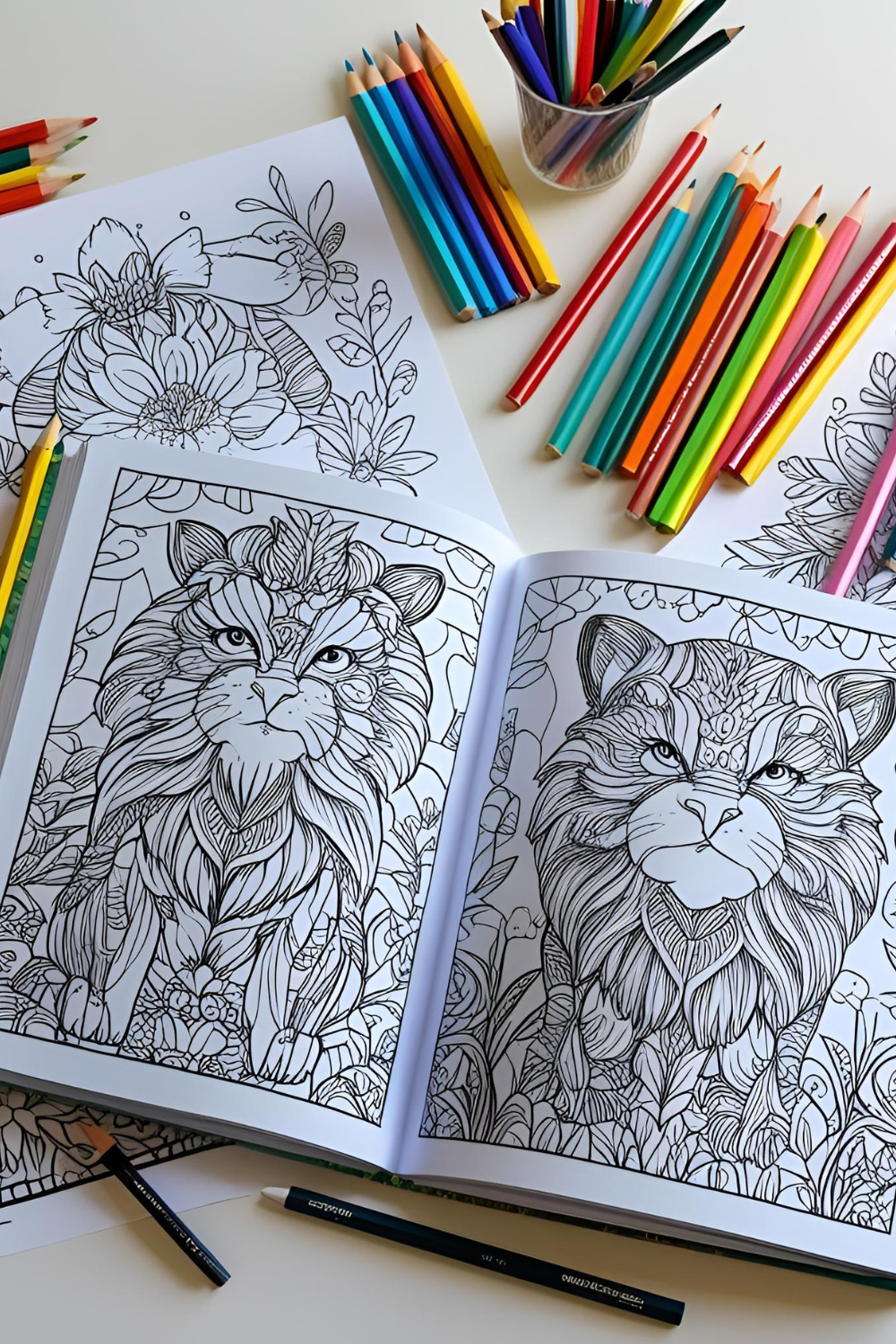
Photo of: A Coloring Session Set Up for an autistic teen
It’s Not Just for Little Kids
While many associate coloring with early childhood, it’s actually an ageless tool for emotional wellness, especially when thoughtfully designed for teen needs:
Mature designs (no cartoon characters)
Relatable themes like stress, identity, or mindfulness
Sensory-friendly features and calming layouts
Affirmations or prompts for older minds
At Mindful Marks, we specialize in creating autism-friendly coloring books for ages 10–18, with clean-line art, inclusive characters, and therapeutic intent.
Final Thought From Or Team:
Coloring is more than art—it's therapy, regulation, and empowerment. Whether your teen is overwhelmed, bored, or just needs a moment to breathe, coloring can offer a quiet kind of healing that grows with them.
Not sure where to go next?
If this topic sounds familiar, you may find support here: