
SCIENCE, THE BRAIN, AND AUTISM:
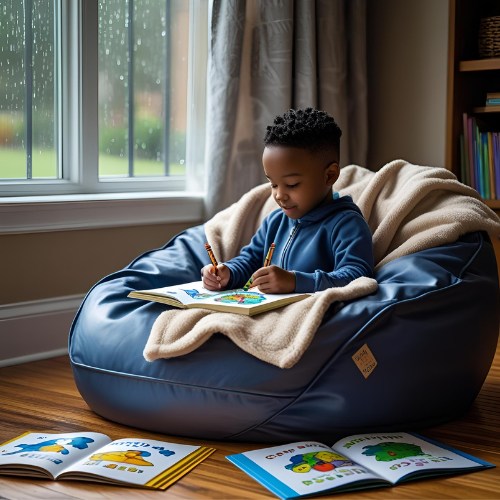
Photo of: A teen in a sensory-friendly calm corner.
WHY COLORING BENEFITS EVERYONE — NOT JUST FOR ADHD, AUTISM, ANXIETY, OR STRESS
Coloring is often seen as a quiet-time activity for children, a creative pastime, or even just a boredom-buster. But science tells a much deeper story — one that connects coloring to how the brain processes emotion, attention, and even memory. It’s a simple tool with powerful benefits, not only for children with ADHD, autism, or anxiety, but for people of all ages and neurotypes. Whether at school, home, or therapy centers, coloring has become a valuable and versatile tool in both educational and therapeutic settings
The Neuroscience of Coloring: What Happens in the Brain?
Coloring activates multiple regions of the brain at once — especially areas involved in motor skills, sensory processing, visual-spatial reasoning, and emotional regulation.
• Prefrontal Cortex Activation: Focused coloring helps engage executive function and planning skills.
• Amygdala Calming: The act of coloring reduces activity in the brain’s fear center (the amygdala), creating a calming effect.
• Sensory Integration: For neurodivergent individuals, especially those with autism, coloring supports sensory processing and motor coordination by integrating sight, touch, and movement.
• Neuroplasticity & Mindfulness: Repetitive, focused actions like coloring can support the brain’s ability to rewire and reduce stress responses over time, increasing emotional flexibility and resilience.
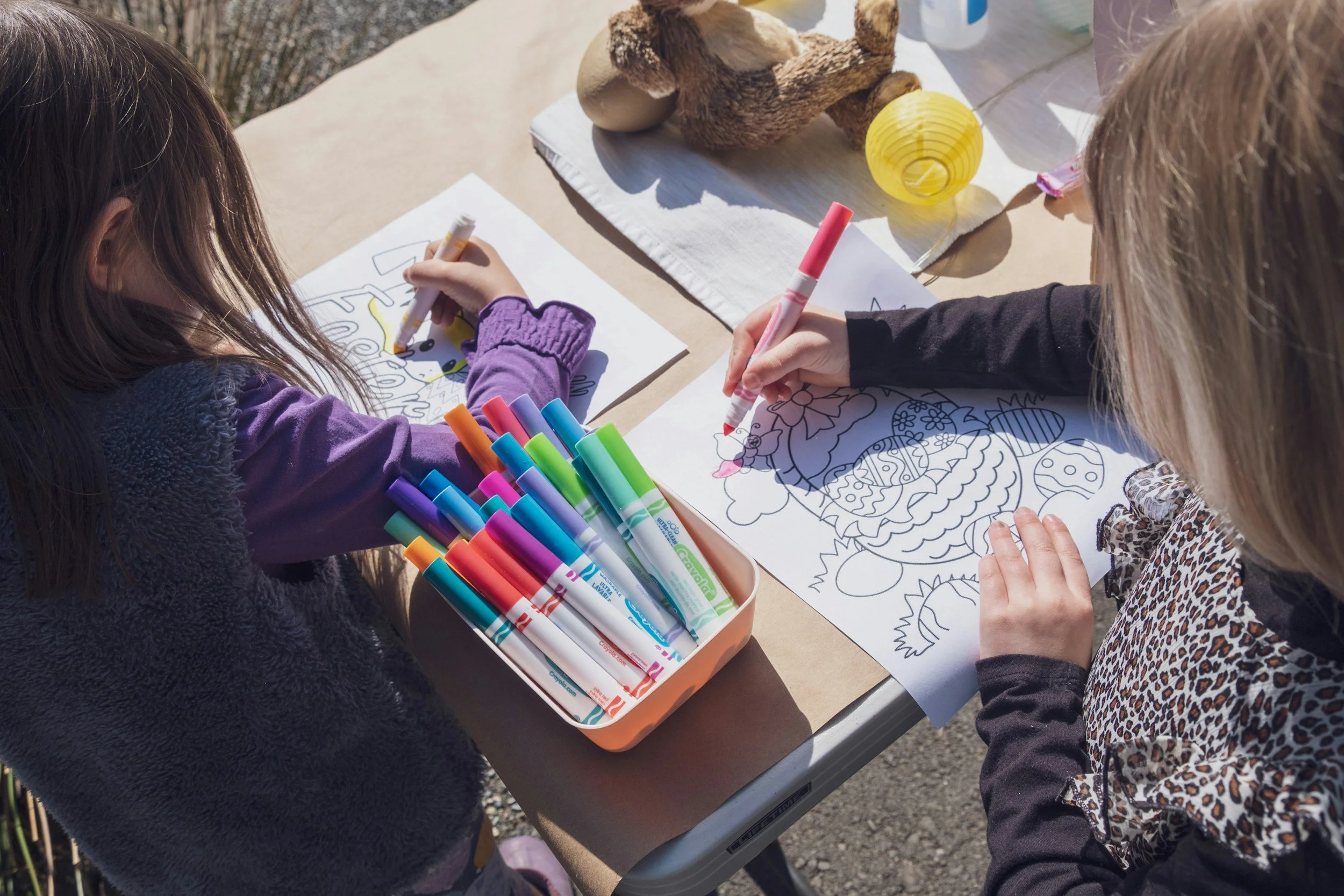
Photo of: Autistic teens coloring outside.
You don’t need complex systems to support regulation — sometimes simple tools make the biggest difference.
If you’re ready to try coloring as a gentle, effective support for your child or teen, browse our thoughtfully designed coloring resources made for real nervous systems.
Understanding autism doesn’t stop with childhood. For many people, clarity comes later—and that insight can be both validating and empowering.
📖 Continue reading:
“Signs You May Have Autism as an Adult” to explore common indicators, internal experiences, and why so many adults are discovering answers about themselves now.

Infographic of: Signs you may have autism as an adult.