
Why Sleep Is Different for Autistic Teens—and How to Make It Better
Sleep can be tricky for many teenagers, but for autistic teens, the challenges often feel even greater. Parents may notice late nights, restless tossing and turning, or frequent wake-ups. Teens themselves may feel constantly tired, irritable, or overstimulated. Sleep difficulties are one of the most common struggles reported by autistic individuals—affecting up to 50–80% of autistic children and teens, compared to about 25–40% in non-autistic peers.
So why is sleep different for autistic teens? And what can families do to help? Let’s explore both the science and the strategies.
Why Sleep Can Be More Difficult for Autistic Teens

Photo of: An autistic teen lying in bed feeling exhausted, illustrating common challenges with sleep and burnout.
1. Differences in Melatonin Production
Melatonin is the hormone that tells the body it’s time to wind down. Research suggests some autistic individuals may produce melatonin at different times—or in smaller amounts—leading to delayed sleep onset or irregular sleep cycles.
2. Sensory Sensitivities
The smallest sound, flicker of light, or texture can make it hard to relax. Autistic teens often experience sensory hyper-awareness, meaning a scratchy blanket or humming fan might prevent restful sleep.
3. Anxiety and Overthinking
Racing thoughts at bedtime are common for many teens, but autistic adolescents are more likely to experience high levels of anxiety. This can make it difficult to “switch off” the brain and transition into sleep.
4. Co-occurring Conditions
Conditions such as ADHD, gastrointestinal discomfort, or epilepsy—which occur more frequently in autistic individuals—can further impact sleep.
5. Irregular Routines
Teens thrive on routine, and autistic teens especially benefit from predictable schedules. Without clear bedtime structures, sleep can easily become inconsistent.
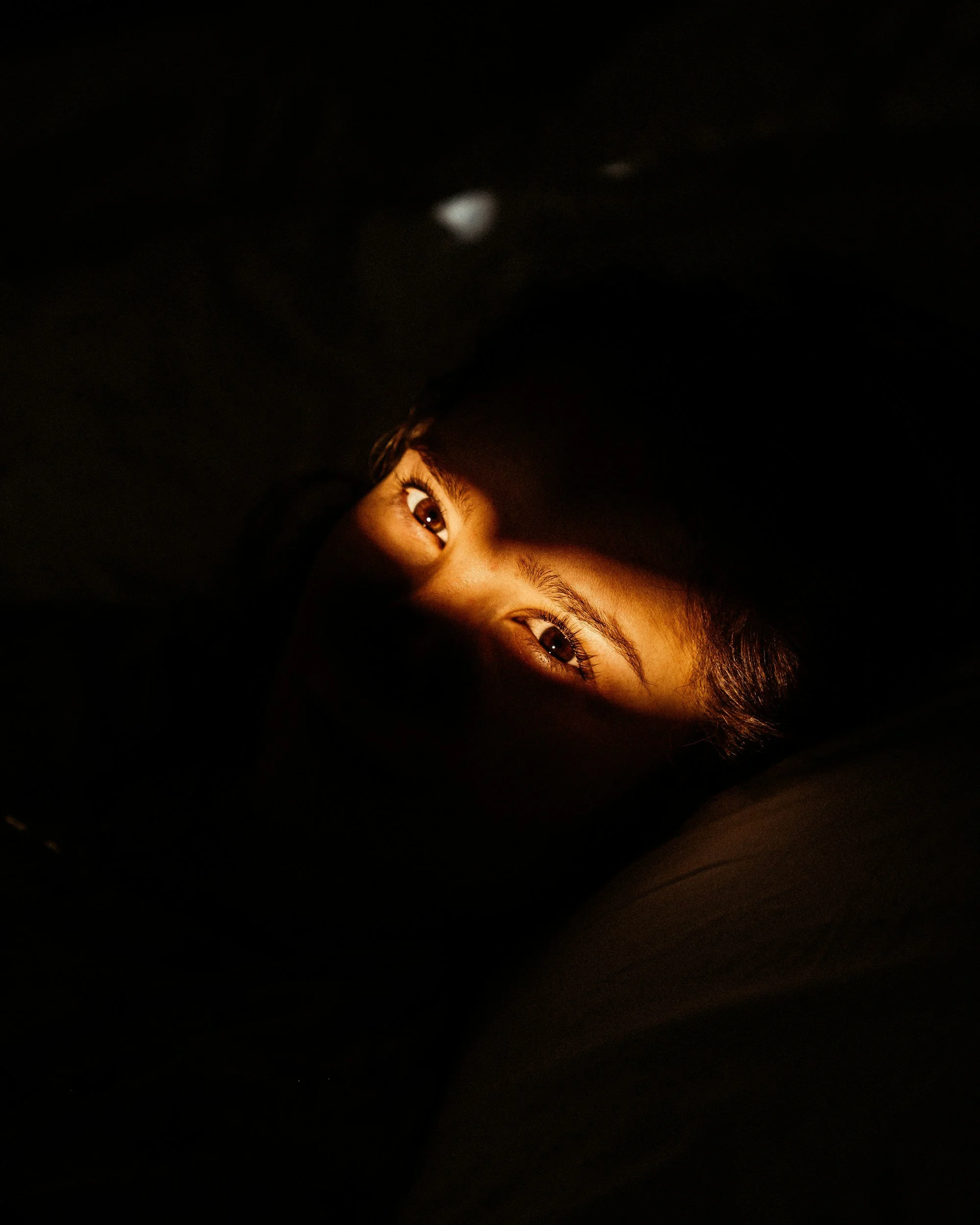
Photo of: Autistic teen lying in bed, appearing tired and overwhelmed, representing emotional exhaustion and the need for rest.
Signs That Sleep Issues May Be Affecting Your Teen
Daytime fatigue and frequent napping
Difficulty focusing or staying on task at school
Irritability, meltdowns, or mood swings
Trouble waking up in the morning
Falling asleep in class or during quiet activities
Practical Strategies to Support Better Sleep
1. Create a Predictable Bedtime Routine
Consistency is key. A short, repeatable sequence—such as brushing teeth, dimming lights, reading a book, or listening to calming music—can train the brain to recognize it’s time for rest. Visual schedules or step-by-step charts may help autistic teens follow the routine independently.
2. Adjust the Sleep Environment
Lighting: Use blackout curtains or soft amber night lights. Avoid bright overhead lights before bed.
Noise: Try white noise machines, fans, or noise-canceling options if background sounds are disruptive.
Textures: Choose pajamas and bedding that are soft and non-irritating. Weighted blankets can also promote a calming sense of security.
3. Limit Stimulants and Screens
Caffeine (including sodas, energy drinks, and chocolate) can interfere with sleep. Similarly, screens emit blue light, which suppresses melatonin. Aim for at least one hour of no screens before bed. Instead, encourage quiet activities such as drawing, puzzles, or audiobooks.
4. Encourage Physical Activity During the Day
Daily movement supports healthy sleep patterns. Activities like swimming, walking, or yoga can reduce stress and help regulate energy levels—just try to avoid vigorous exercise right before bedtime.
5. Address Underlying Health Concerns
If your teen snores heavily, wakes frequently in pain, or has ongoing stomach discomfort, a medical evaluation may be needed. Sleep apnea, reflux, or other conditions can worsen nighttime difficulties.
6. Consider Professional Guidance
For persistent sleep problems, consulting with a pediatrician, developmental specialist, or sleep clinic can provide tailored support. In some cases, doctors may recommend behavioral sleep interventions or carefully monitored melatonin supplements.
Helping Your Teen Feel in Control
Involving teens in the process makes a big difference. Let them help choose their pillow, decide the order of bedtime steps, or pick the calming activity they’ll do before lights out. When teens feel ownership of their sleep routine, they’re more likely to follow it consistently.

Infographic of 7 bedroom items that help autistic teens calm down before bed.
Links for Your Convenience
White Noise or Calming Sound Machine
Dimmable Touch Lamp
Sensory Friendly pajamas, ultra soft
Bed Tent Twin Bed Canopy Portable Dream Tent for Adult
HUGIMALS Sam The Sloth 20 Inch 4.5 lb Heavy Cute Sensory Weighted Comfort Plush
Final Thoughts
Sleep challenges in autistic teens are common—but they’re not unmanageable. By understanding the biological, sensory, and emotional reasons behind these differences, families can build bedtime routines and environments that actually work.
Better sleep doesn’t just mean fewer late-night struggles; it means improved mood, focus, and overall well-being for your teen.
Download our free Sensory-Friendly Bedroom Setup Guide for autistic teens. Discover practical tips for reducing sensory overload at night, including guidance on lighting, sound, textures, and calming bedroom colors that promote better sleep.
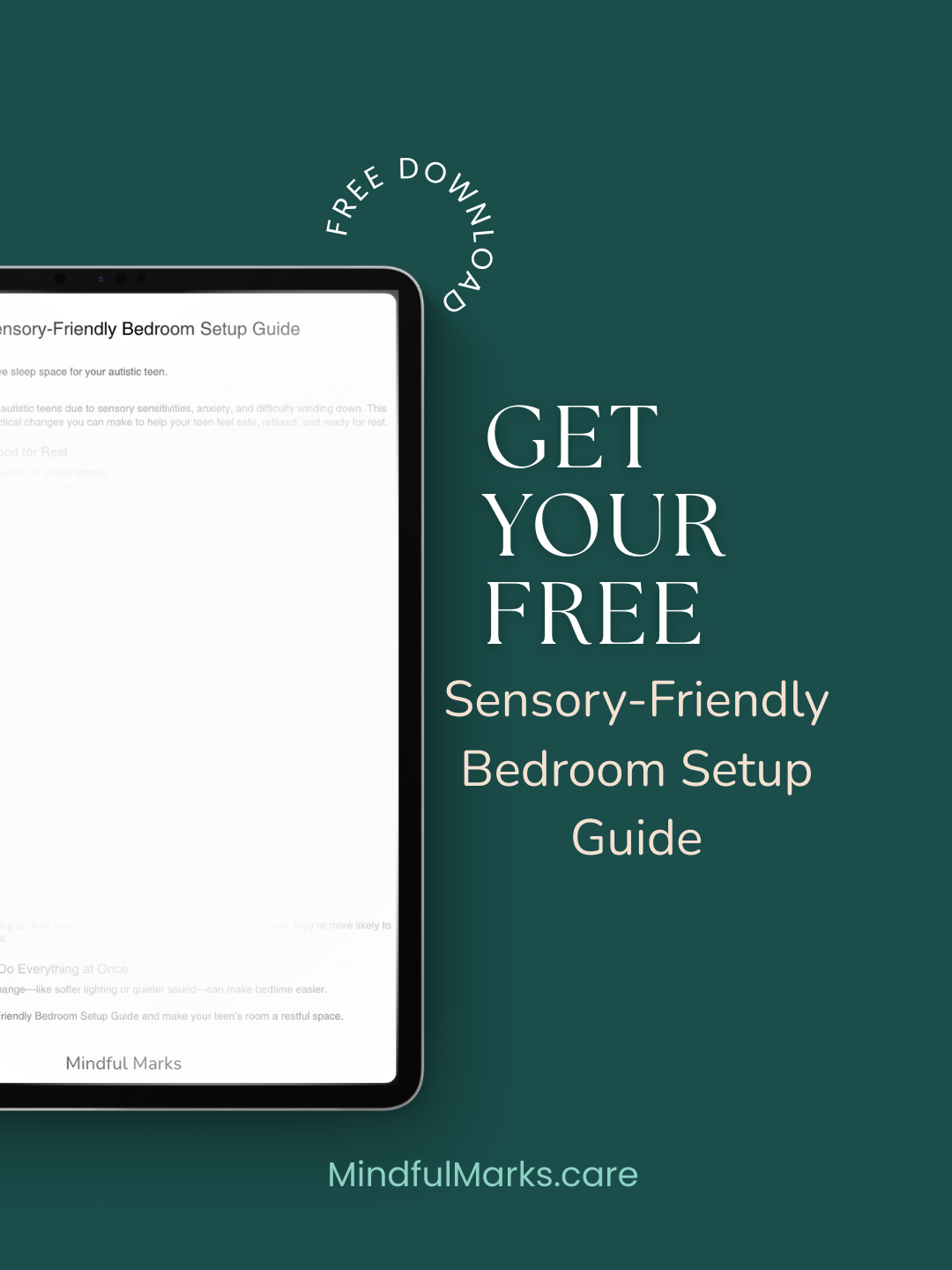
Free Sensory-Friendly Bedroom Setup Guide for teens with autism.
Get our free Sensory-Friendly Bedroom Setup Guide and make your teen’s room a restful space.