
Social Communication, “Double Empathy,” & Social Inclusion
Understanding the Connection Between Autistic and Neurotypical People
At MindfulMarks.care, we believe communication is more than words — it’s connection, understanding, and shared meaning. But for many autistic teens and adults, social communication can feel like a constant guessing game. Not because they lack empathy or care, but because the language of social interaction can differ between neurotypes.
That’s where the concept of “double empathy” comes in — a powerful shift in how we understand social differences between autistic and non-autistic people.
What Is “Double Empathy”?
The Double Empathy Problem, introduced by autistic researcher Dr. Damian Milton, challenges the outdated idea that autistic people simply “struggle” with social skills. Instead, it suggests that communication is a two-way street — and misunderstandings happen when people with different lived experiences interpret the world through different perspectives.
In other words, it’s not that autistic people are missing something — it’s that both sides are using different “social languages.”
For example:
An autistic teen might avoid eye contact to feel calm and focused, while a neurotypical friend might interpret that as disinterest.
A neurotypical classmate might rely on small talk to build connection, while the autistic teen prefers meaningful, direct conversation.
Neither person is wrong. They’re just communicating differently.
Ready to try a new approach?
Download the free Double Empathy Bridge: 2-Page Guide and start using it today.
Why This Matters for Social Inclusion
Understanding the Double Empathy framework shifts the goal from “fixing” social behavior to fostering mutual understanding. True inclusion means creating spaces where all communication styles are respected and valued.
When schools, workplaces, and families embrace this idea, autistic teens feel safer to show up authentically — without the pressure to mask, mimic, or suppress their natural ways of expressing themselves.
This shift also encourages non-autistic peers to practice curiosity, not correction. Asking, “What does connection look like for you?” can build bridges far more effectively than trying to teach conformity.
Supporting Autistic Teens in Social Growth
You can nurture inclusive communication by:
Modeling openness. Show that there’s no single “right” way to connect.
Encouraging shared understanding. Let teens explain how they prefer to interact — in writing, through art, or conversation.
Valuing comfort over conformity. Respect when they need quiet, structure, or breaks in social settings.
Teaching reciprocity, not scripts. Support real exchanges of care, rather than memorized social rules.
Celebrating diverse friendship styles. Some teens thrive with one close friend; others prefer online communities or group projects. All are valid.
A New Kind of Empathy
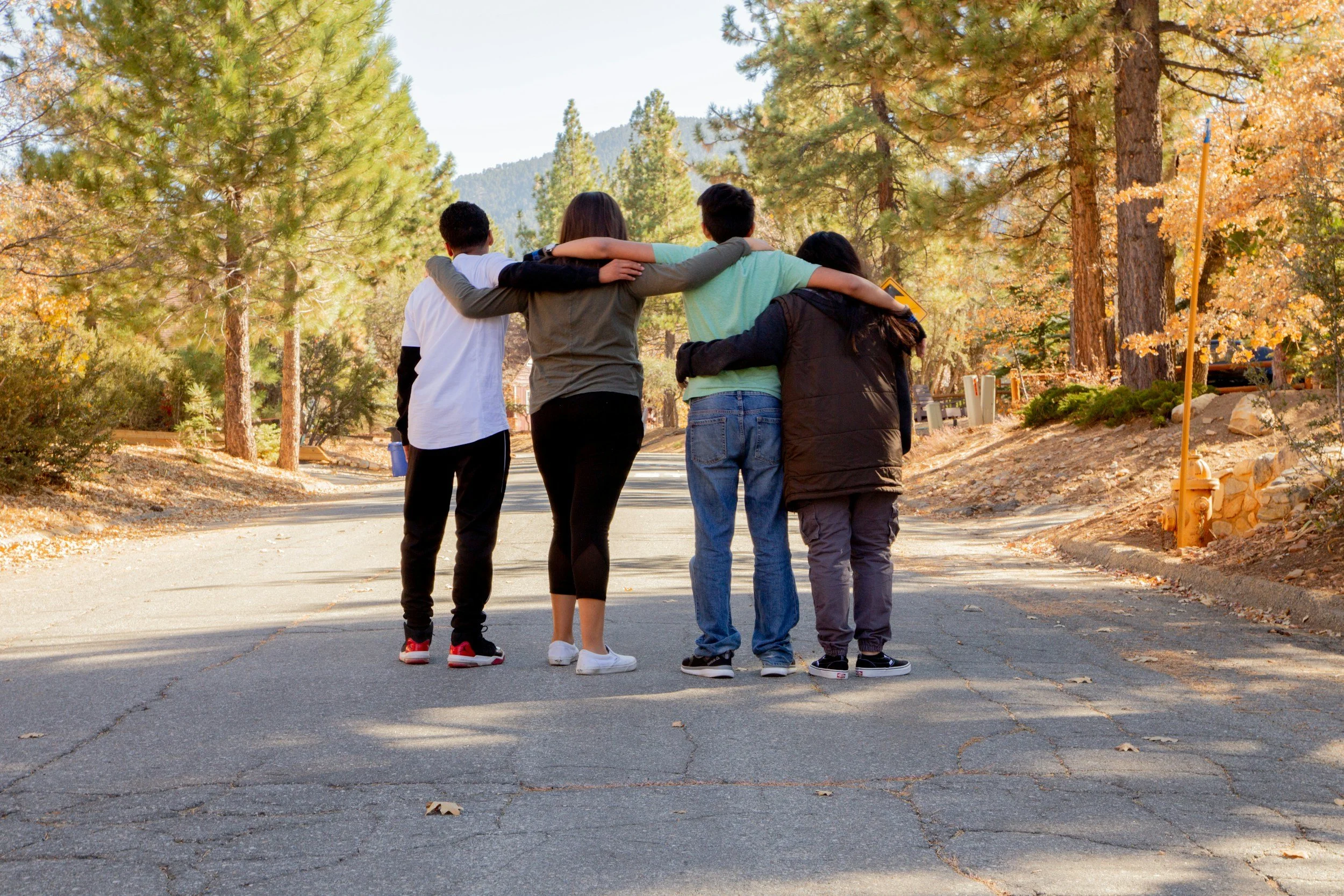
The Double Empathy framework invites everyone — parents, educators, and peers — to see connection as a shared process. It reminds us that empathy is not something one group “has” and the other “lacks.” It’s a bridge built from both sides.
When we understand this, inclusion becomes more than a policy — it becomes a practice of compassion.
At MindfulMarks.care, we believe every teen deserves relationships where they feel understood, respected, and seen.
Ready to build the bridge?
Not sure what to read next?
This is what we recommend
Infographic of: How to Support Social Skills Without Pushing Social Norms
( for autistic teens )