
When an Autistic Teen Suddenly Refuses School: What’s Really Happening
One morning, your autistic teen gets dressed like usual.
The next morning, they won’t get out of bed.
No amount of encouragement, consequences, or reassurance seems to help.
Parents are often left thinking:
Is this anxiety?
Are they being defiant?
Did something happen at school?
When an autistic teen suddenly refuses school, it’s rarely about laziness or rebellion.
More often, it’s a signal of overwhelm, nervous system distress, or unmet needs that have quietly been building.
Let’s look at what’s really happening—and how to respond in a way that supports your teen rather than escalates the crisis.
School Refusal Is a Signal, Not a Choice
For autistic teens, refusing school is often the end result of chronic stress, not a sudden decision.
Many autistic teens:
Push themselves to cope for weeks or months
Mask distress to “get through the day”
Hold everything together until their system can’t anymore
When they stop going to school, it’s usually because their nervous system has hit a breaking point.
This isn’t a behavior problem.
It’s a capacity problem.

Photo of : Autistic teen in school
Common Reasons Autistic Teens Suddenly Refuse School
1. Accumulated Overwhelm
Autistic teens often tolerate far more than they should before showing distress.
Triggers may include:
Constant noise and crowded hallways
Bright lights or uncomfortable seating
Unpredictable schedules or last-minute changes
Social pressure and misunderstandings
What appears “sudden” to adults is often the culmination of months of invisible overload.
2. Anxiety That Can’t Be Put Into Words
Many autistic teens struggle to identify or explain anxiety.
Instead of saying:
“I feel anxious and unsafe.”
They may say:
“I can’t go.”
“I hate school.”
“I feel sick.”
School refusal can be the only way they know to communicate distress.
3. Burnout From Masking
Masking—hiding autistic traits to fit in—takes an enormous amount of energy.
Burnout signs include:
Extreme exhaustion
Loss of motivation
Increased shutdowns or meltdowns
Withdrawal from previously manageable routines
School refusal may be the body’s way of saying:
“I cannot keep pretending.”
4. A Specific Event That Felt Unsafe
Sometimes there was a moment that tipped everything over, such as:
Bullying or teasing (even if it seemed minor to others)
A public correction or embarrassment
A substitute teacher or routine change
A conflict they didn’t know how to resolve
Autistic teens may not label these experiences as “trauma,” but their nervous system remembers.
5. Loss of Trust or Predictability
School environments rely heavily on:
Implied rules
Social expectations
Sudden transitions
If your teen feels confused, misunderstood, or consistently “in trouble” without knowing why, refusal may be a protective response.
Why Forcing Attendance Often Makes Things Worse
When parents respond with pressure—such as threats, punishment, or forced attendance—it can escalate distress.
For autistic teens, forced school attendance can lead to:
Increased anxiety
Meltdowns before or after school
Shutdowns and emotional withdrawal
Long-term school trauma
Compliance does not equal regulation.
A teen may physically attend school while becoming emotionally and neurologically unsafe.
What Your Teen Needs Instead
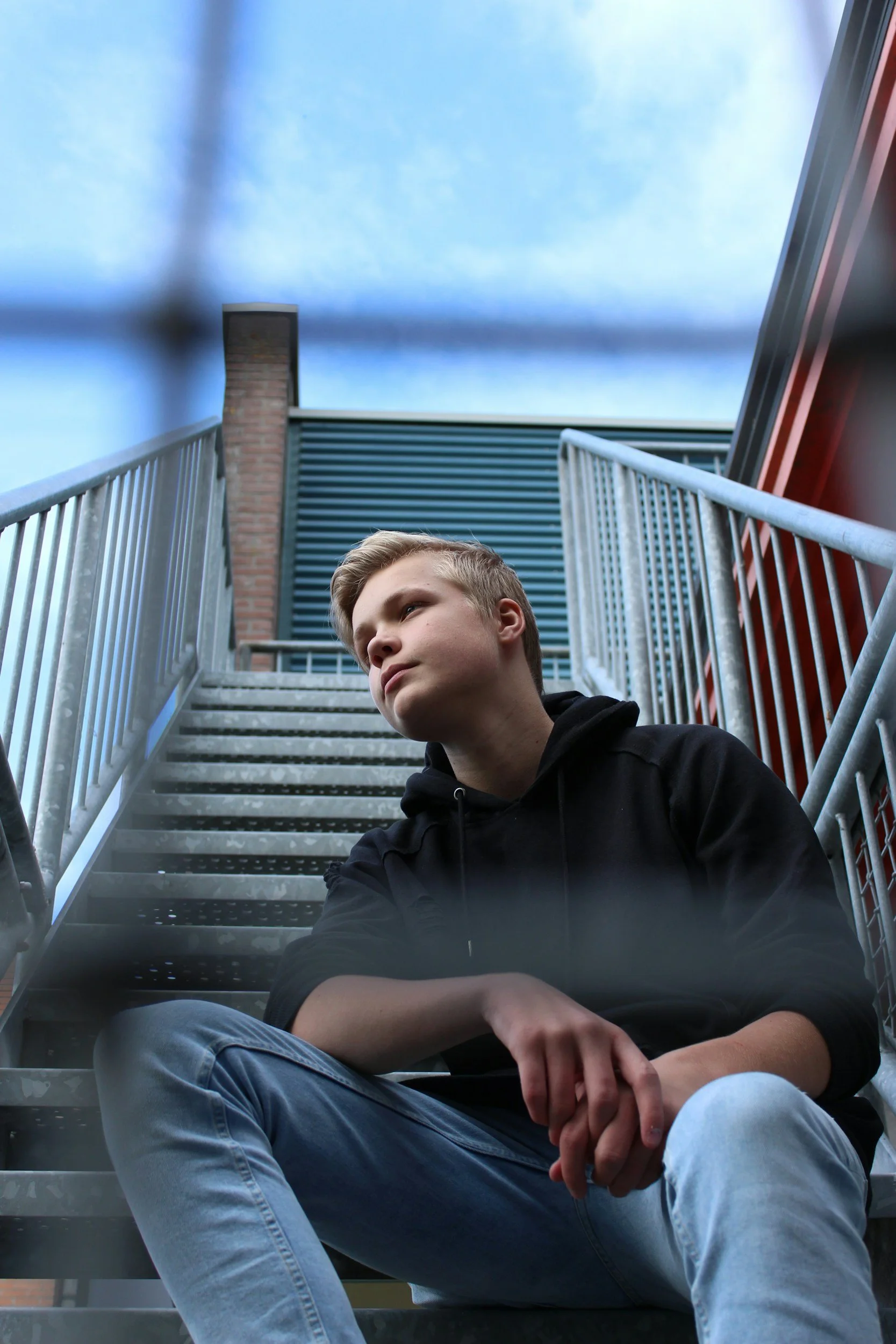
Photo of: a autistic teen setting on the steps outside of school
1. Safety First
Before academics, your teen needs to feel safe.
This means:
Believing their distress is real
Removing shame from their experience
Letting them rest and regulate
Safety builds trust. Trust makes problem-solving possible.
2. Curiosity Over Control
Instead of asking:
“Why won’t you go?”
Try:
“What feels hardest about school right now?”
“When did it start feeling unbearable?”
“What helps even a little?”
Your teen may not answer right away. That’s okay.
Listening without pressure still matters.
3. Identify the True Barriers
Work together (and with the school if possible) to identify:
Sensory stressors
Social stress
Academic overload
Schedule fatigue
Often, small accommodations can dramatically reduce distress.
4. Flexible, Gentle Re-Entry
Returning to school doesn’t have to be all or nothing.
Options may include:
Shortened days
Later start times
Quiet spaces or sensory breaks
Hybrid or alternative learning formats
Progress is measured in regulation, not attendance percentages.
5. Professional Support When Needed
A therapist familiar with autistic teens can help:
Translate internal distress into words
Build coping and self-advocacy skills
Address anxiety without invalidation
Support works best when it respects neurodivergent needs rather than trying to eliminate them.

Photo of: A group of Autistic teens.
What to Remember as a Parent
Your teen is not giving up on life or learning
They are trying to protect themselves
School refusal is communication, not manipulation
Your calm presence matters more than perfect solutions
This phase can feel frightening—but it can also become a turning point toward better support, understanding, and long-term wellbeing.

Photo of : Autistic Teens sitting after classes
Final Thought
When an autistic teen suddenly refuses school, the most important question isn’t:
“How do we get them back?”
It’s:
“What is their nervous system telling us—and how can we listen?”
Listening doesn’t mean giving up.
It means building a path forward that doesn’t require your teen to break themselves to belong.
Not sure where to go next?
If this topic sounds familiar, you may find support here:
Or
Parenting an autistic teen can raise questions about communication, emotions, and independence—all at once. Understanding how these pieces connect can make everyday moments feel more manageable.
👉 Continue reading:
“The Parents’ Guide to Understanding Autistic Teens: Communication, Emotional Regulation, and Independence”— a practical, compassionate resource designed to help parents support their teen with clarity and confidence.
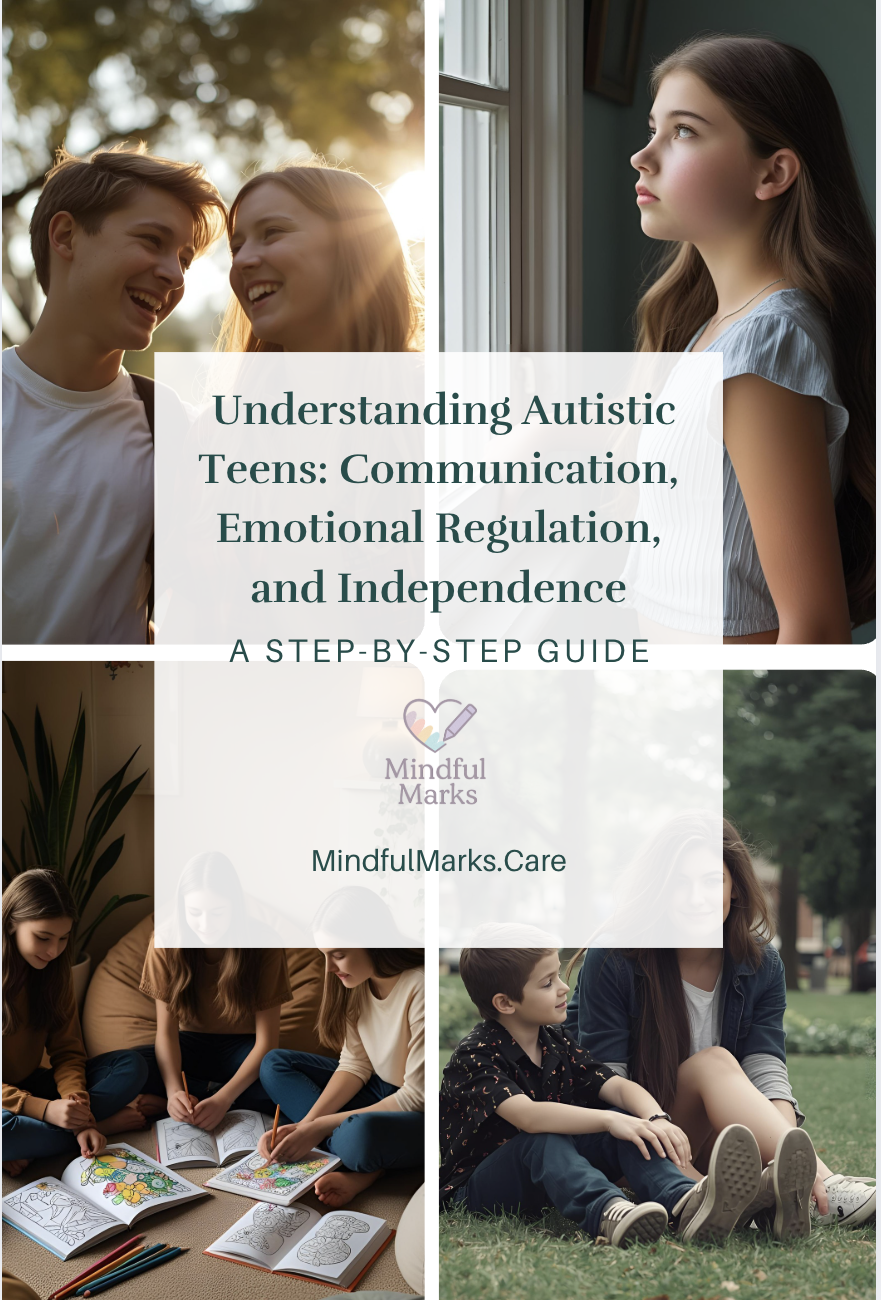
Infographic Of: “The Parents’ Guide to Understanding Autistic Teens: Communication, Emotional Regulation, and Independence”