
A Nighttime Regulation Routine for Autistic Teens
A gentle, sensory-aware guide to calmer evenings and better rest
Evenings can be one of the most dysregulating times of day for autistic teens. After hours of sensory input, social demands, masking, and transitions, their nervous system is often exhausted—yet sleep still doesn’t come easily.
A supportive nighttime regulation routine isn’t about forcing sleep. It’s about helping the nervous system feel safe enough to rest.
This post walks you through a step-by-step, teen-friendly nighttime routine designed to reduce overwhelm, support emotional regulation, and make bedtime more predictable and calming.
If a more sensory-friendly bedroom would feel supportive, you’re welcome to download our Sensory-Friendly Bedroom Set-Up Guide. It offers calm, practical ideas you can use in small steps.
Why Nighttime Is So Hard for Autistic Teens
Many autistic teens struggle at night because:
The nervous system is still in fight-or-flight after the day
Sensory input (noise, light, textures) feels stronger when tired
Thoughts replay conversations, worries, or unfinished tasks
Transitions—from “doing” to “resting”—are especially difficult
Meltdowns or shutdowns are more likely when energy is depleted
Sleep difficulties are not a failure of discipline. They are often a sign that regulation support is needed before bedtime—not just at bedtime.
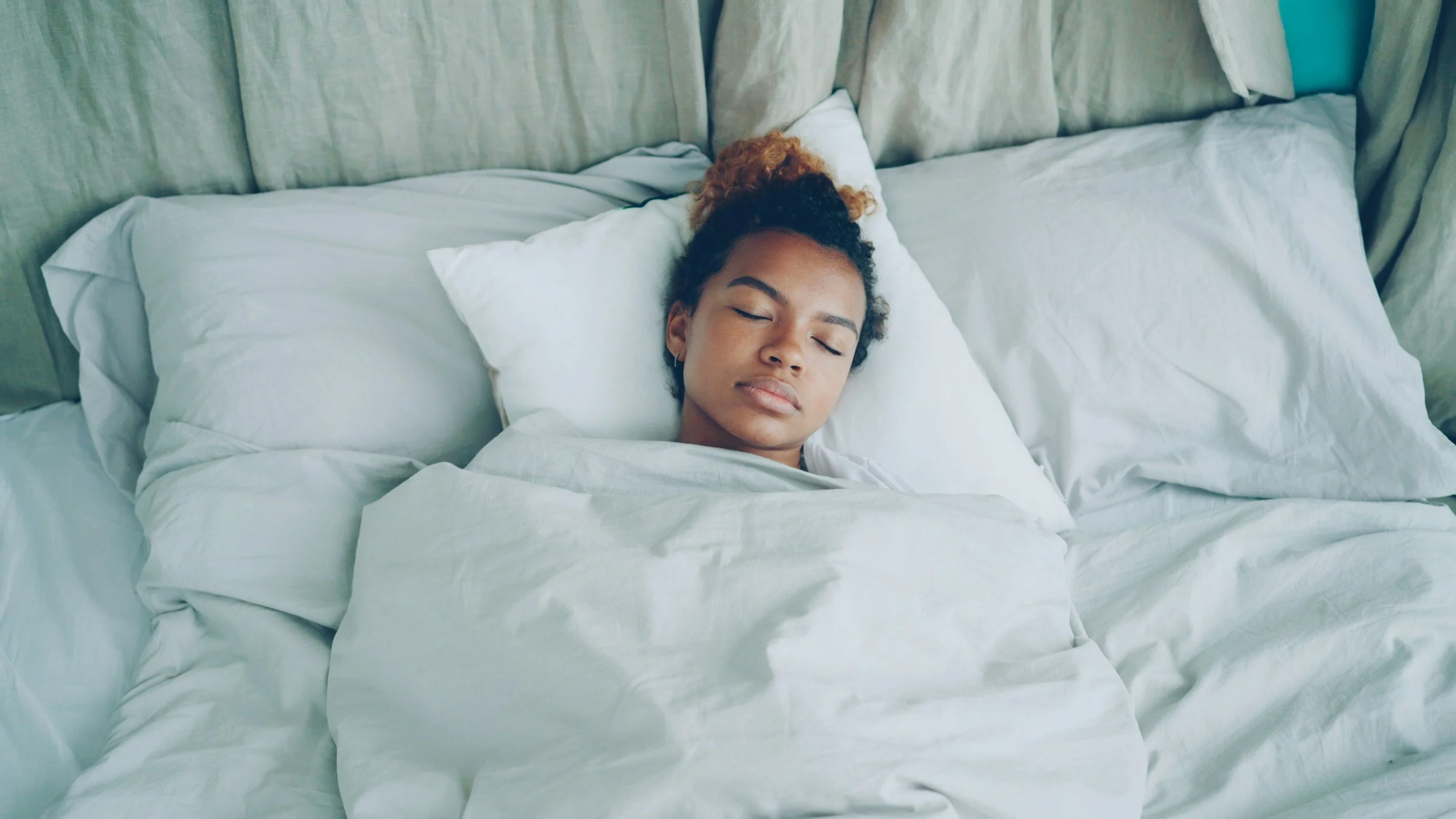
photo of: an Autistic teen sleeping in bed.
What “Regulation” Really Means at Night
Regulation means helping the body and brain move into a calmer state.
At night, this looks like:
Slowing the nervous system
Reducing sensory input gradually (not abruptly)
Creating predictability and emotional safety
Supporting the body’s natural wind-down cues
A good routine is consistent, flexible, and personalized.
The Ideal Timeframe: Start Earlier Than You Think
Many families try to start calming strategies at the moment of bedtime. For autistic teens, regulation works best when it begins 60–90 minutes earlier.
Think of the routine as a gentle staircase, not a cliff.
A Step-by-Step Nighttime Regulation Routine
1. Signal the Transition (60–90 Minutes Before Bed)
Autistic teens often need clear, concrete signals that the day is shifting.
Helpful ideas:
A visual schedule showing “Evening → Night”
A consistent verbal cue:
“We’re starting our nighttime routine in 10 minutes.”
A calming alarm or soft music used only in the evenings
Avoid sudden demands like “Turn that off and go to bed now.” Sudden transitions spike stress.
2. Lower Stimulation Gradually
Instead of cutting stimulation all at once, fade it slowly.
Reduce:
Bright lights (use lamps instead of overhead lighting)
Loud or fast-paced media
Multitasking
Replace with:
Dim lighting or warm bulbs
Quiet background sounds
One activity at a time
This helps the nervous system recognize that it’s safe to slow down.
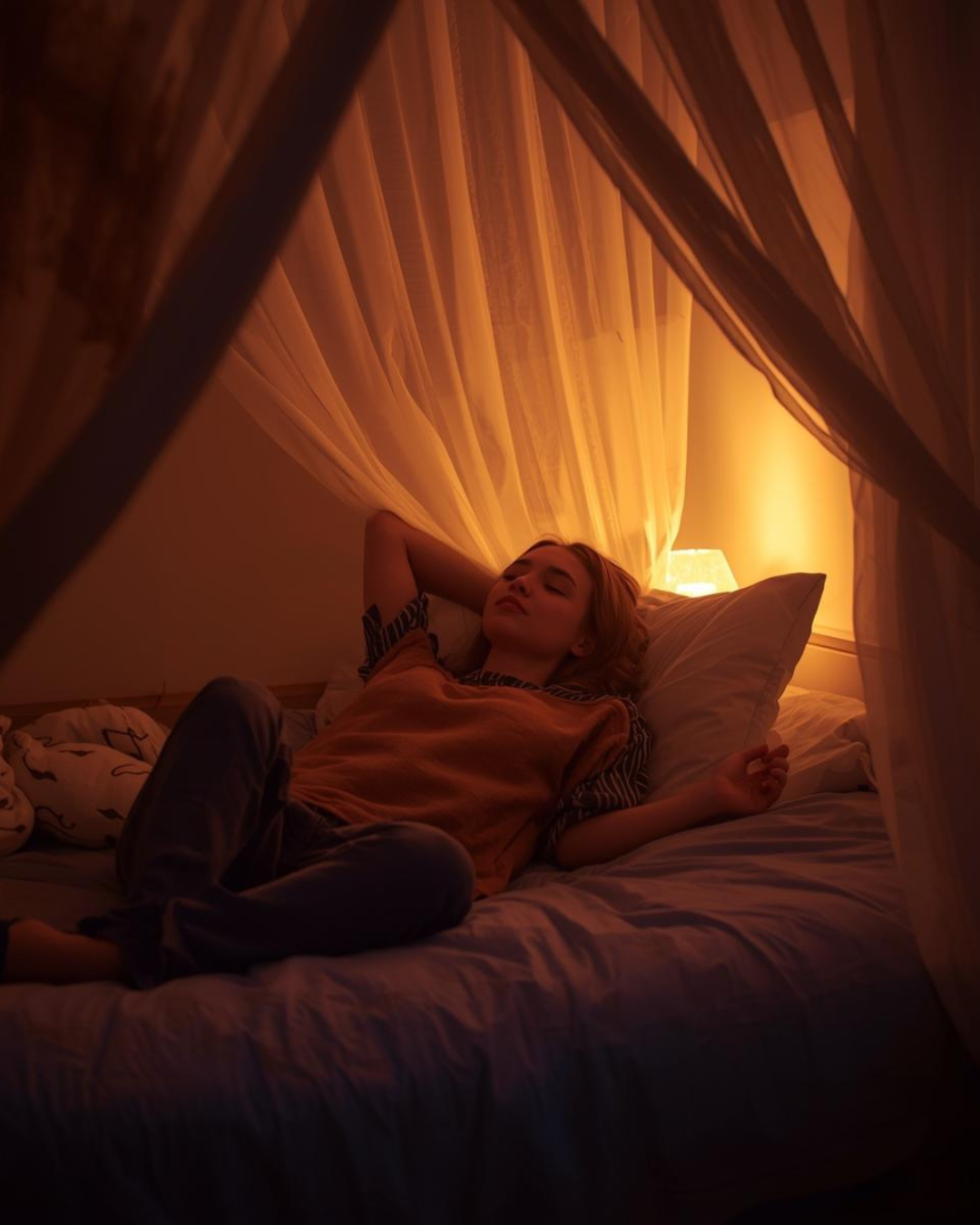
photo of: Autistic teen lying on a bed in a dim, calming bedroom, resting and recovering from sensory or emotional overload.
3. Offer a Regulating Activity (Choose 1–2)
Not all “calm” activities are regulating for every teen. The goal is predictable and soothing, not boring.
Some teens regulate best with:
Coloring or drawing
Building with LEGO or small figures
Reading a familiar book
Gentle rocking, pacing, or stretching
Listening to the same audiobook or music nightly
Avoid introducing new or emotionally intense activities at night.
4. Support the Body With Sensory Input
The body often needs help releasing tension before sleep.
Commonly regulating sensory supports:
Weighted blanket or lap pad
Compression sheets or snug pajamas
Deep pressure hugs (only if welcomed)
Warm shower or bath
Heated blanket or warm socks
Pay attention to preferences. Some teens calm with pressure; others prefer light touch or warmth.
5. Create a Predictable Hygiene Flow
Hygiene routines can be overstimulating, especially when tired.
Helpful strategies:
Same order every night (example: shower → pajamas → brush teeth)
Visual checklist to reduce verbal demands
Unscented or familiar products
Allowing breaks if overwhelm builds
If hygiene regularly triggers meltdowns, the routine may need sensory accommodations, not stricter rules.
6. Include Emotional Decompression
Many autistic teens hold emotions together all day. Night is when feelings finally surface.
Gentle ways to decompress:
A short “brain dump” (writing or drawing worries)
One predictable check-in question:
“What was the hardest part of today?”
Rating the day on a scale of 1–5
Naming one thing that felt safe or okay
Avoid problem-solving late at night. Listening is often enough.
7. Prepare the Sleep Environment
The bedroom should feel safe, familiar, and sensory-friendly.
Consider:
Blackout curtains or eye masks
White noise, brown noise, or silence
Consistent bedding textures
Minimal clutter
A small night light if darkness increases anxiety
Some teens sleep better with their door open, others closed. Respect what helps their nervous system.
8. End With the Same Closing Cue Every Night
A predictable ending helps the brain recognize that sleep comes next.
Examples:
The same phrase: “Good night. You are safe.”
A consistent song or sound
Turning off the same lamp together
A short grounding exercise (slow breathing or counting)
Repetition builds security.
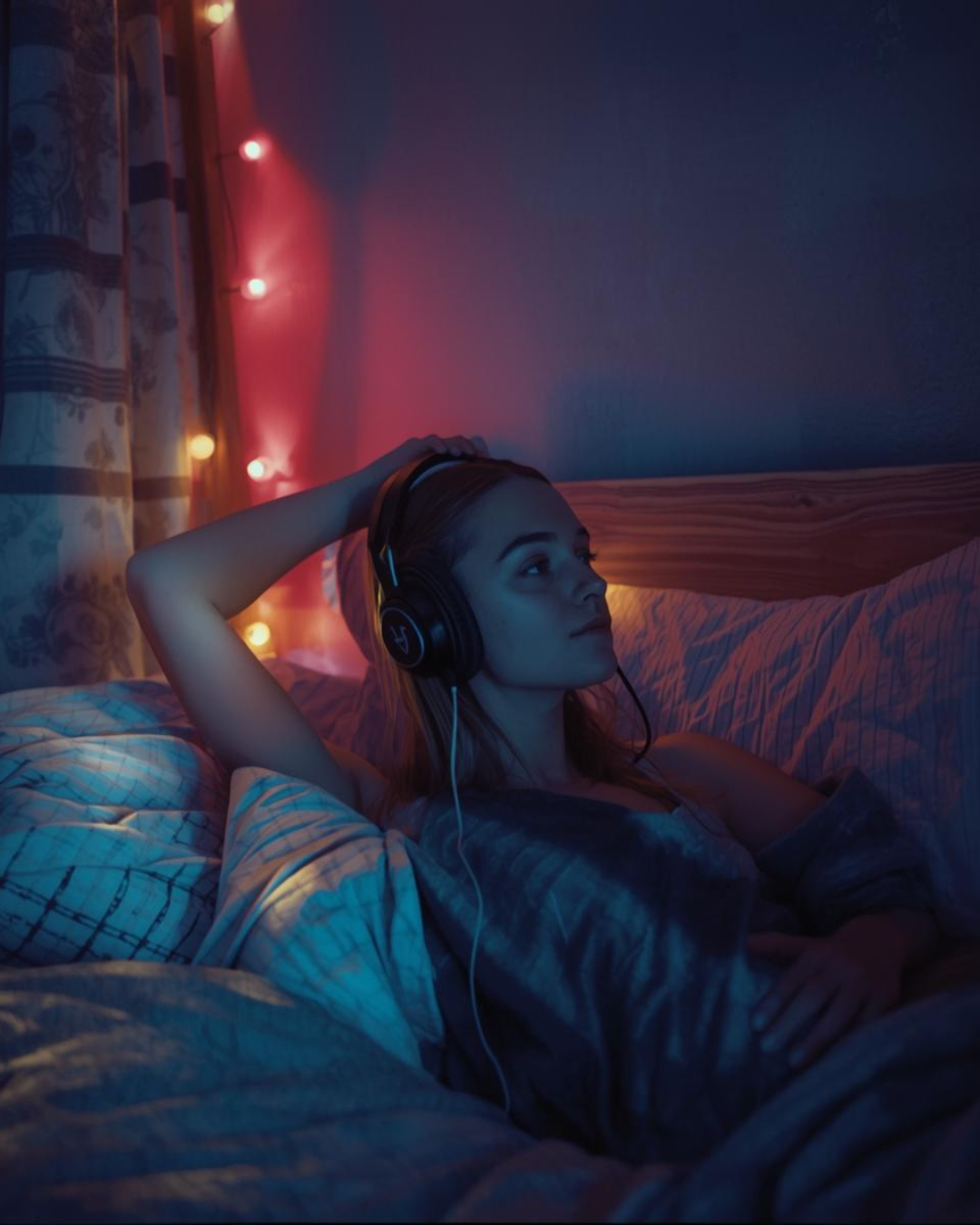
photo of: Autistic teen resting in bed with headphones on, using music for sensory regulation in a calm nighttime environment.
When Sleep Still Doesn’t Come
Even with a strong routine, some nights will still be hard. That’s okay.
If your teen:
Lies awake but stays calm → the routine is still working
Becomes distressed → consider adding more regulation earlier
Resists bedtime → they may need more control or predictability
Progress is not measured by “falling asleep fast,” but by reduced distress.
Common Mistakes to Avoid
Rushing the routine
Using bedtime as consequence time
Adding new expectations at night
Assuming refusal equals defiance
Comparing your teen to others
Nighttime behavior reflects nervous system needs, not attitude.
Final Thoughts
A nighttime regulation routine is an act of support—not control.
When autistic teens feel safe, understood, and sensory-supported, their bodies can finally rest. Consistency, compassion, and flexibility matter far more than perfection.
You’re not doing this to “fix” your teen.
You’re helping them feel safe enough to sleep.
Not sure where to go next?
If this topic sounds familiar, you may find support here:
Or
If sleep feels like a constant struggle in your home, you’re not alone. For many autistic teens, sleep challenges are rooted in sensory processing, anxiety, and nervous system regulation—not poor habits.
👉 Continue reading:
“Why Sleep Is Different for Autistic Teens—and How to Make It Better” — a compassionate, evidence-informed guide to understanding sleep differences and supporting better rest.

Infographic of: Why Sleep Is Different for Autistic Teens—and How to Make It Better