
Sensory Rooms, Calm Corners & Wellness Spaces (Home + Classroom)
Creating a safe and soothing space for children—especially neurodivergent children and teens—has never been more important. With rising awareness about mental health and sensory regulation, “calm-down corners” and wellness spaces are now common in both classrooms and homes. These intentional areas are designed to help kids and teens reset, self-regulate, and return to learning or daily routines feeling calmer and more in control.
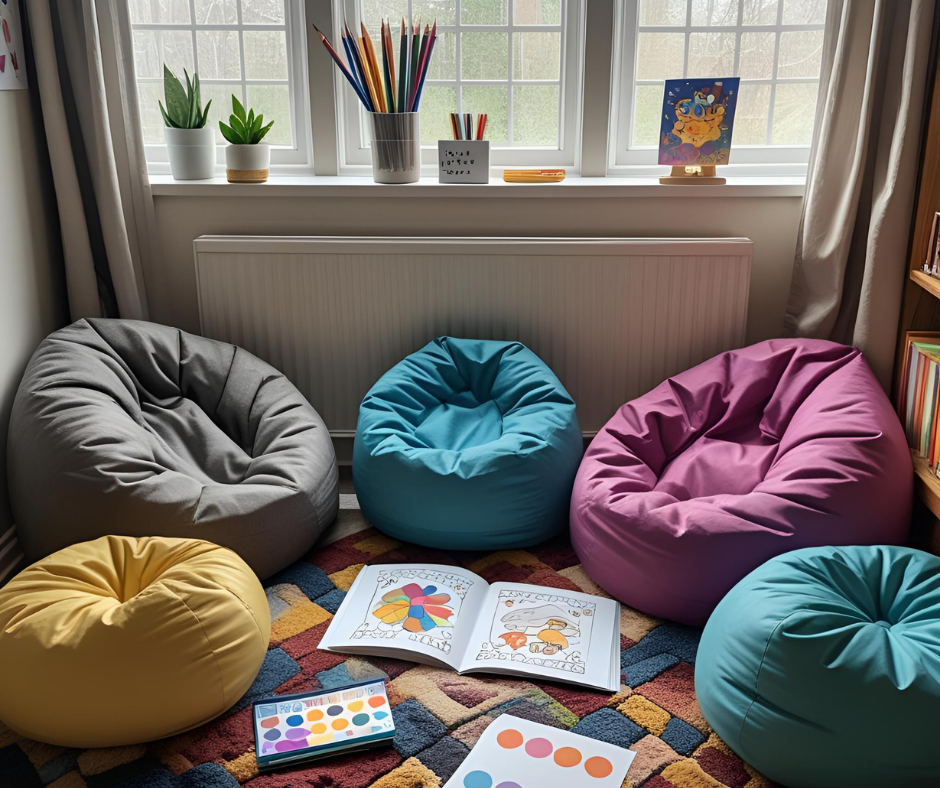
Photo of: a Calm Corner Setup.
In this guide, we’ll cover how to set up a calm corner or sensory room, budget-friendly ideas, classroom checklists, and product recommendations, along with insights into lighting, colors, and small-space solutions
What Is a Sensory Room or Calm Corner?
Calm Corner: A small, designated area where a child can retreat when overwhelmed, often with soothing tools such as pillows, fidgets, or visual timers. Common in classrooms and homes.
Sensory Room: A larger, more structured space designed to engage the senses in calming or organizing ways—using lights, textures, sounds, and movement. Often found in therapy settings, but is increasingly popular in homes and schools.
Wellness Space: A broader term that may include calm corners and sensory rooms but also integrates mindfulness, relaxation, and self-care elements.
The goal is not punishment or isolation, but empowerment—providing children a safe place to regulate their emotions.
Want a gentle way to put this into practice? You can download our Calm Corner Checklist and use it at your own pace. You can just skip it, pick one step, and ignore the rest for now if that is what you need.
Why Now?
Rising Stress Levels: Children today face academic, social, and sensory demands that can trigger overwhelm.
Educational Trends: Many schools are moving toward trauma-informed and inclusive classroom designs, adding calm corners as standard practice.
Home Design Shifts: Families are dedicating corners, nooks, or even entire rooms to wellness, especially since the pandemic emphasized home as a multifunctional space.
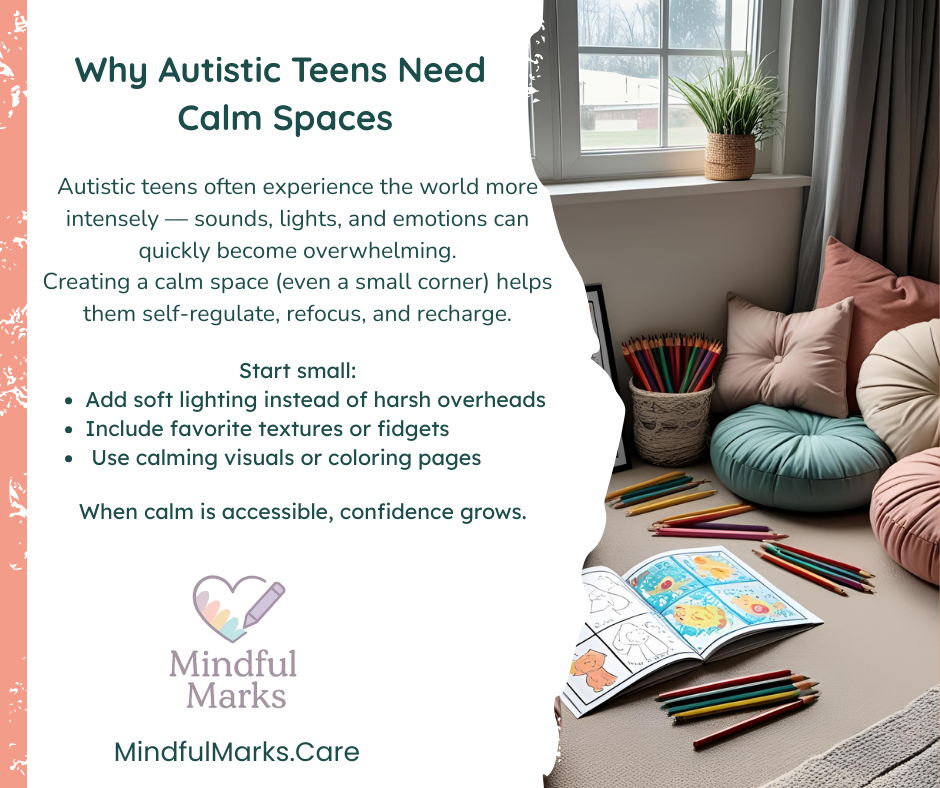
Infographic: Why Autistic Teens Need a Calm Space.
How to Set Up a Calm Corner or Sensory Room
1. Start with Location
Classroom: Choose a quiet corner, ideally away from heavy traffic areas.
Home: Bedrooms, living rooms, or even a hallway nook can work.
2. Create Physical Boundaries
Use rugs, bookshelves, or small tents to make the space feel defined and private without total isolation.
3. Add Comfort Items
Soft seating: beanbags, floor cushions, or rocking chairs.
Weighted blankets or lap pads for deep pressure input.
4. Include Calming Tools
Fidget toys, sensory bins, or textured items.
Visual aids: emotion charts, calm-down steps, or storyboards.
Noise-canceling headphones or calming music options.
5. Lighting & Color
Best lighting for sensory rooms: soft, indirect light such as salt lamps, LED strips, or dimmable lamps. Avoid harsh fluorescents.
Calming colors: soft blues, greens, lavenders, and neutrals are often soothing for neurodivergent kids. Bright reds or yellows can overstimulate.
6. Personalize It
Let children help pick posters, sensory items, or affirmations so they feel ownership of the space.
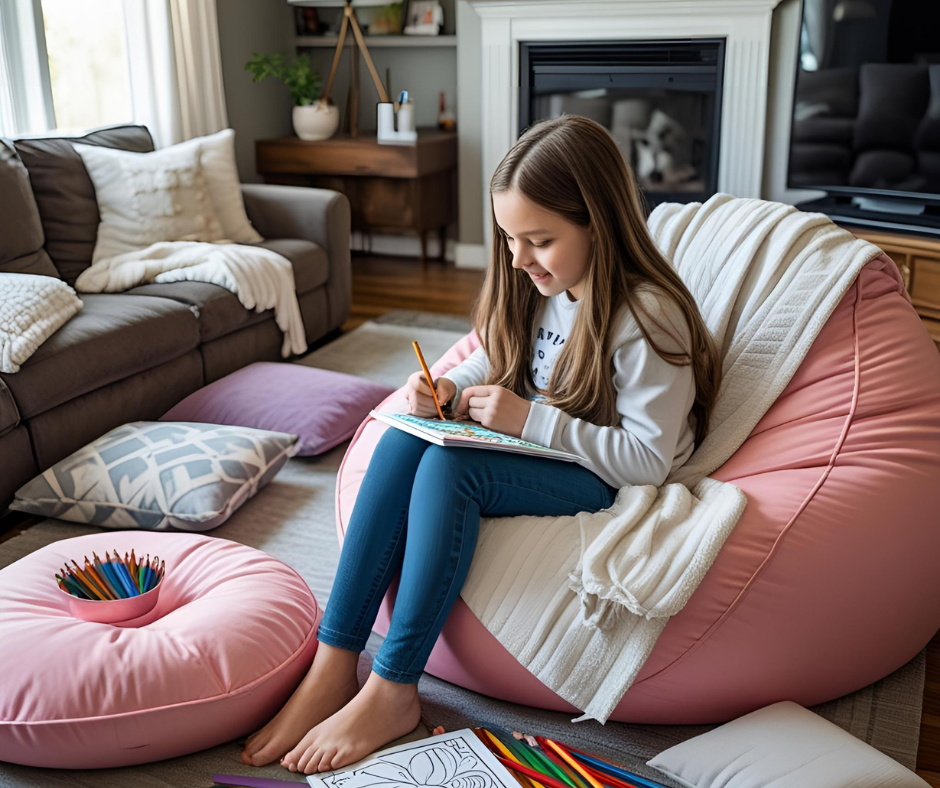
photo of: A Autistic teen in her Calm Corner
Budget-Friendly & Small-Space Solutions
Apartment setups: Use a pop-up tent or canopy to create a micro-space in bedrooms or living rooms.
Portable calm kits: A small bin or backpack filled with headphones, fidgets, and a weighted lap pad can travel between home, school, or therapy.
DIY ideas:
Make a weighted lap pad by sewing rice or beans into fabric pockets.
Create a sensory bottle with water, glitter, and glue.
Use peel-and-stick LED lights instead of expensive sensory panels.
Room Tours & Inspiration
Classroom Examples: Many modern classrooms now feature a designated “reset zone” with cozy mats, headphones, and emotion charts.
Home Examples: Families are transforming closets, unused corners, or spare rooms into sensory havens—sometimes with themes (nature nook, galaxy space, beach corner).

Quick Links For Your Convenience!
Final Thoughts
Whether you’re a teacher building a classroom calm-down corner or a parent setting up a sensory-friendly nook at home, these spaces can make a powerful difference in helping children manage emotions, reduce anxiety, and improve focus.
Start small, use what you have, and remember—the most important part of any calm space isn’t the price tag, but the message: “You are safe, and you have the tools to calm your body and mind.”
Free Mini Guide: How to create a simple Visual schedule.