
Why Coloring Helps Autistic Brains (and Overwhelmed Brains): A Calm, Evidence-Informed Guide
Coloring can support regulation, focus, and stress relief for autistic teens and adults—especially when books are designed for sensory needs. Learn the science, contrast tips, and how to choose the right coloring style.
Unmasking After an Adult Autism Diagnosis: How to Start (Safely and Slowly)
If you were diagnosed as autistic in adulthood, unmasking can feel relieving—and also scary. This guide offers a gentle, “small steps first” approach so you can notice what’s true for you, protect your energy, and unmask in ways that feel safe. You don’t have to overhaul your whole life to start coming home to yourself.
Therapy Is Not One-Size-Fits-All for Autistic Teens: How to Choose Support That Fits
Therapy should help your autistic teen feel safer, more understood, and more capable—not more masked, pressured, or “fixed.” This guide breaks down what good-fit, neuroaffirming support can look like, along with questions to ask and red flags to watch for. You’ll leave with a clearer path to choosing support that actually matches your teen’s needs.
When You’re Not ‘Just Tired’: The Invisible Parenting Load of Supporting an Autistic Teen (and What Helps)
If you feel worn down in a way that sleep doesn’t fix, it may be because you’re carrying an invisible load most people never see. Supporting an autistic teen often includes constant planning, monitoring, advocating, and emotional “holding”—even on the calm days. This post helps you name that hidden labor and offers practical ways to reduce it without guilt.
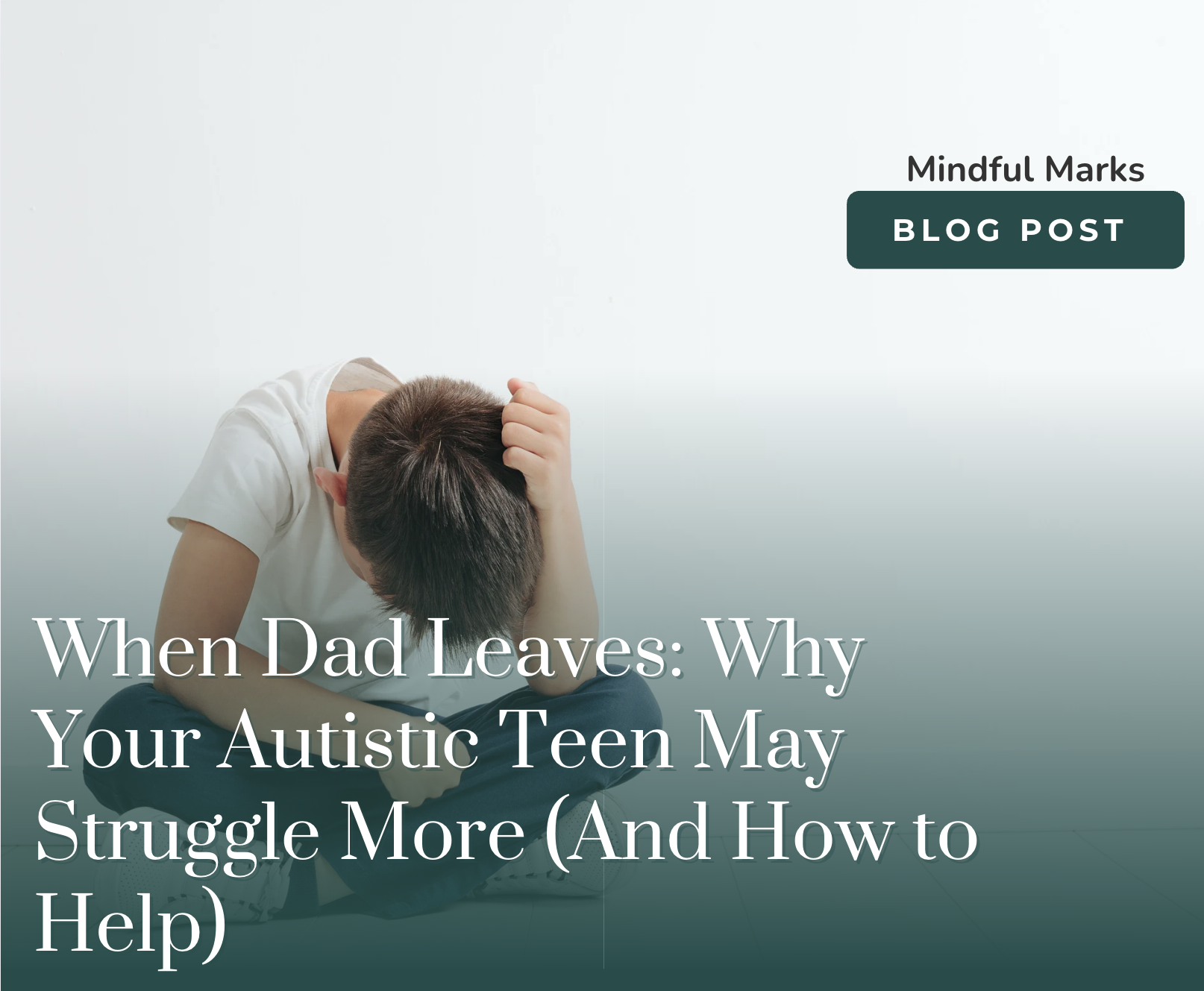
When Dad Leaves: Why Your Autistic Teen May Struggle More (And How to Help)
When a parent leaves the home, autistic teens can struggle in ways that look “bigger than expected”—because the change can disrupt their sense of safety, routine, and predictability. You may see more shutdowns, meltdowns, irritability, or withdrawal, even if your teen can’t explain what feels wrong. This post offers a calm, practical approach to helping your teen feel steadier while your family adjusts.
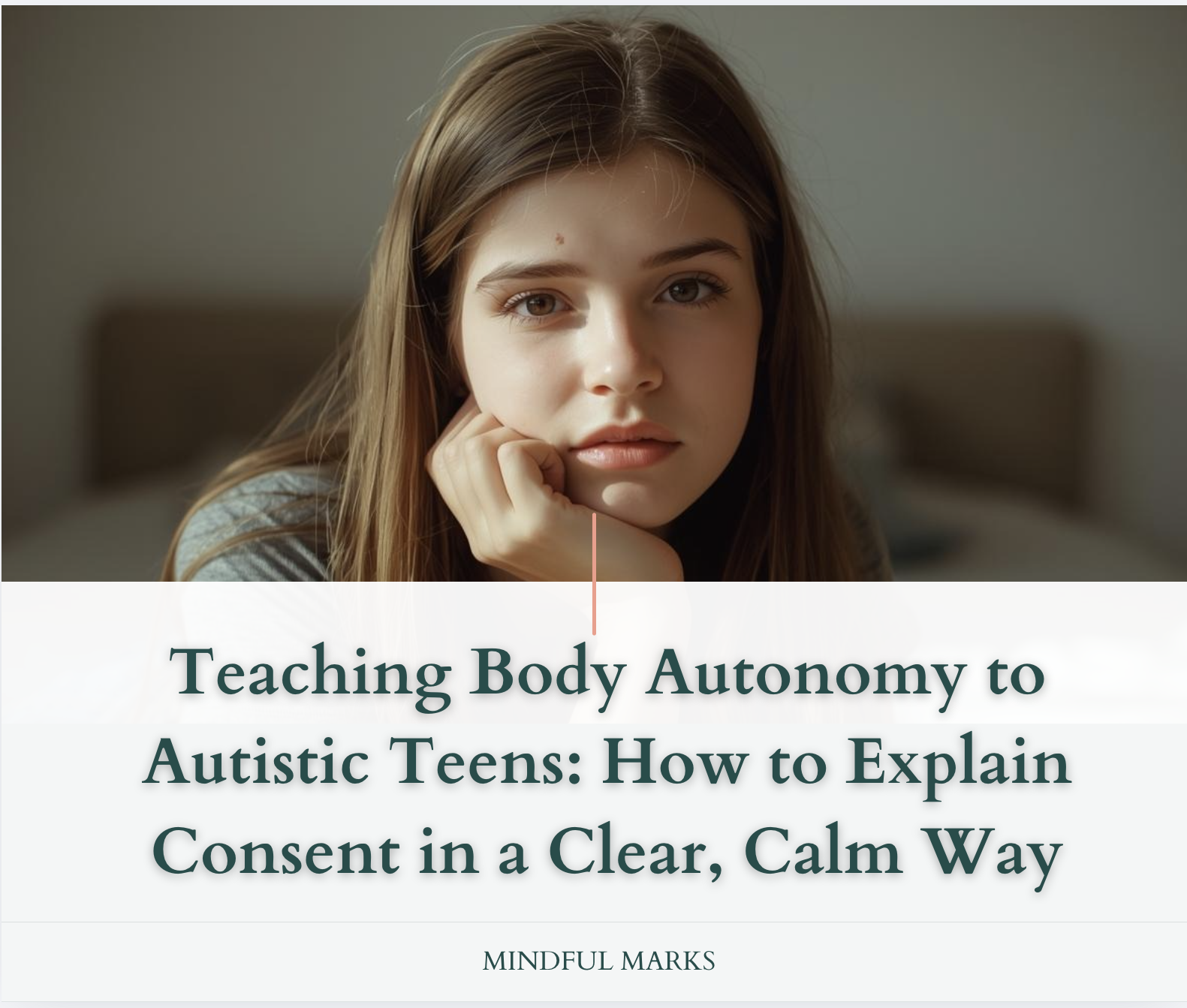
Teaching Body Autonomy to Autistic Teens: How to Explain Consent in a Clear, Calm Way
Consent and body autonomy don’t have to be one big serious talk. Autistic teens often learn best through clear language, predictable examples, and calm repetition. This guide walks you through what to say, how to teach consent as an ongoing process, and how to use simple scripts that support boundaries without shame.
When Coping Turns Risky: A Calm Parent Guide for Autistic Teens (Support Without Shame)
When coping turns risky, it is usually a sign of overwhelm and unmet needs, not “bad choices.” This calm parent guide explains what to watch for, what to say first, and how to replace risky coping with safer regulation supports—without shame or panic.
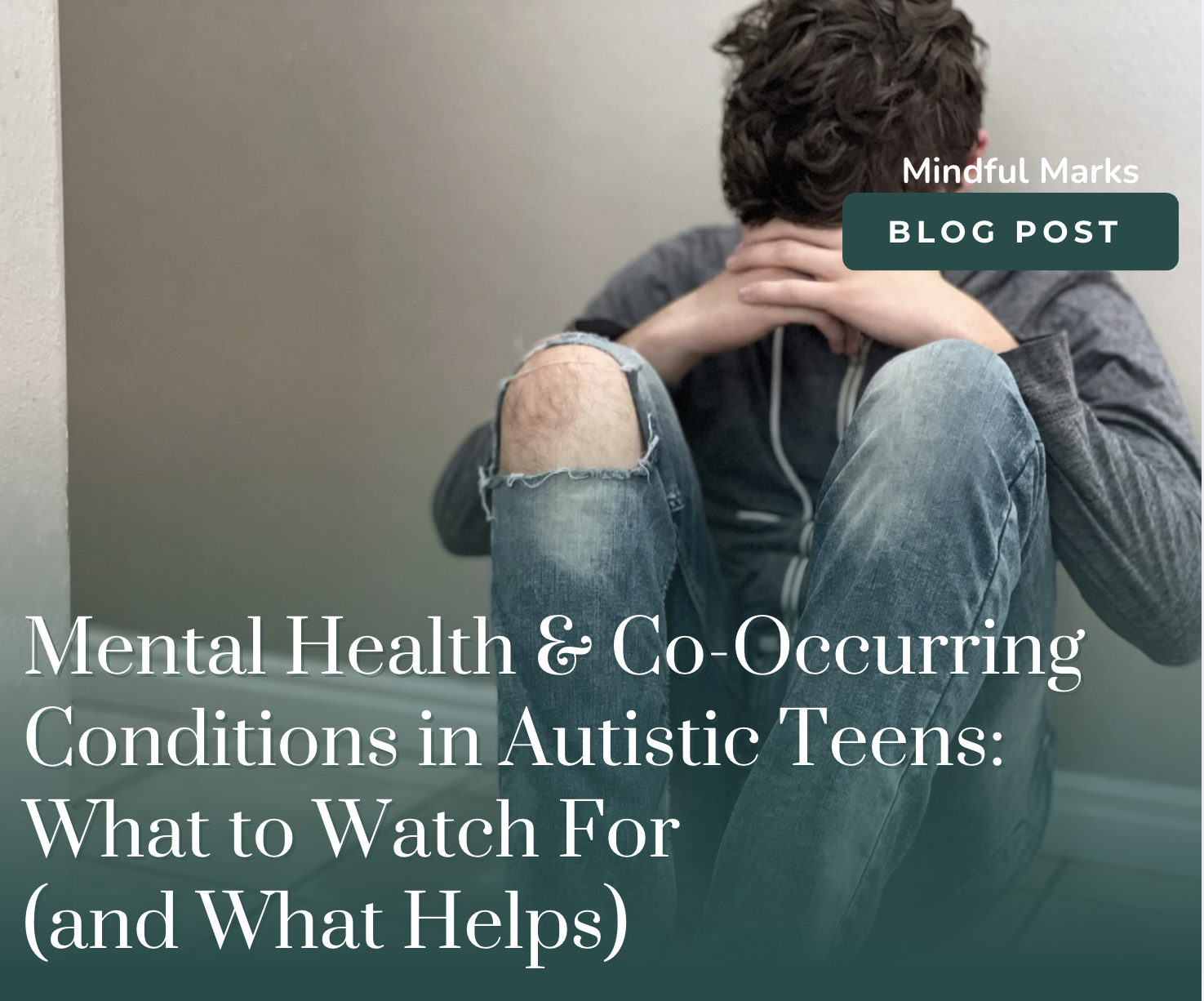
Mental Health & Co-Occurring Conditions in Autistic Teens: What to Watch For (and What Helps)
Mental health challenges can show up alongside autism—and they’re often easy to miss. This calm, practical guide explains what co-occurring conditions are, how anxiety, depression, OCD, ADHD, sleep, and eating challenges may look in autistic teens, and what helps first (without shame or pressure).
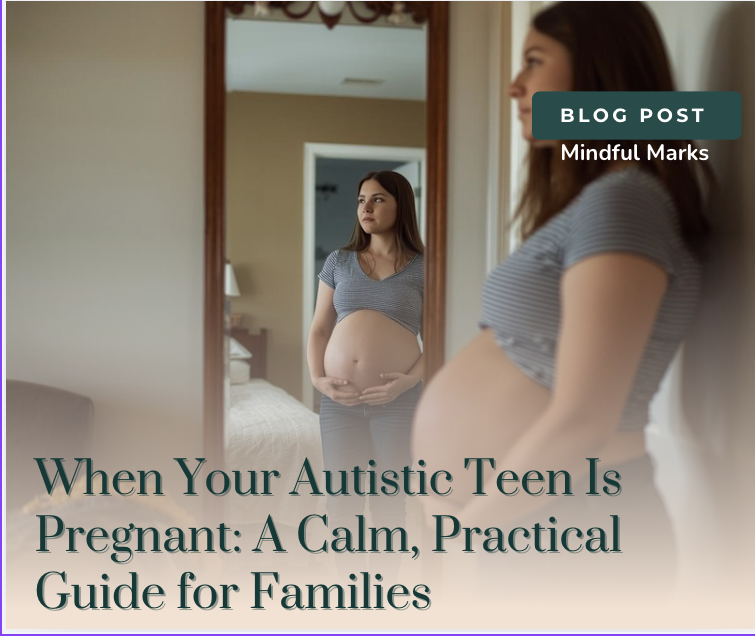
When Your Autistic Teen Is Pregnant: A Calm, Practical Guide for Families
Finding out your autistic teen is pregnant brings a wave of emotions. But in the middle of that storm, your teen needs calm, supportive, shame-free guidance. This guide walks you through what autistic pregnant teens need, how to navigate prenatal care with sensory accommodations, and how to support big decisions with dignity and respect.

Preparing Emotionally During Pregnancy When Autism Is on Your Mind
When autism is on your mind during pregnancy, emotions can feel heavy and complicated. Whether you're autistic yourself, parenting an autistic child, or simply preparing for the unknown, this guide offers gentle emotional support. Learn how to shift from fear to preparedness, manage pregnancy anxiety, and focus on values over predictions. You don't need all the answers now—you just need compassion for yourself first.
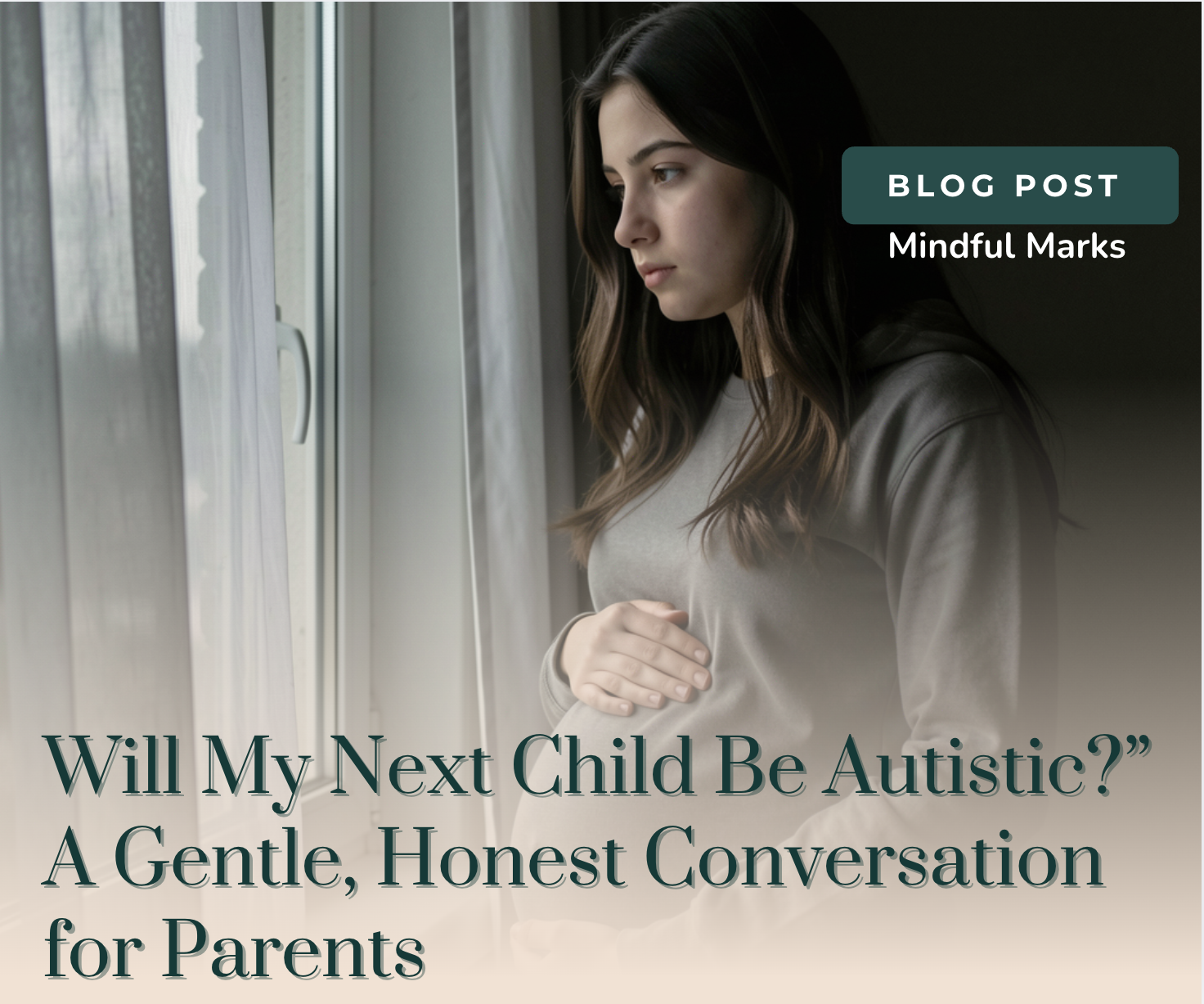
“Will My Next Child Be Autistic?”
If you're asking "Will my next child be autistic too?" you're not being fearful or negative—you're being human. This gentle guide walks through what science actually knows about autism and family genetics, addresses common myths, and helps you prepare emotionally for any outcome. No scare tactics. No false promises. Just honest, compassionate answers to the question many parents whisper late at night.
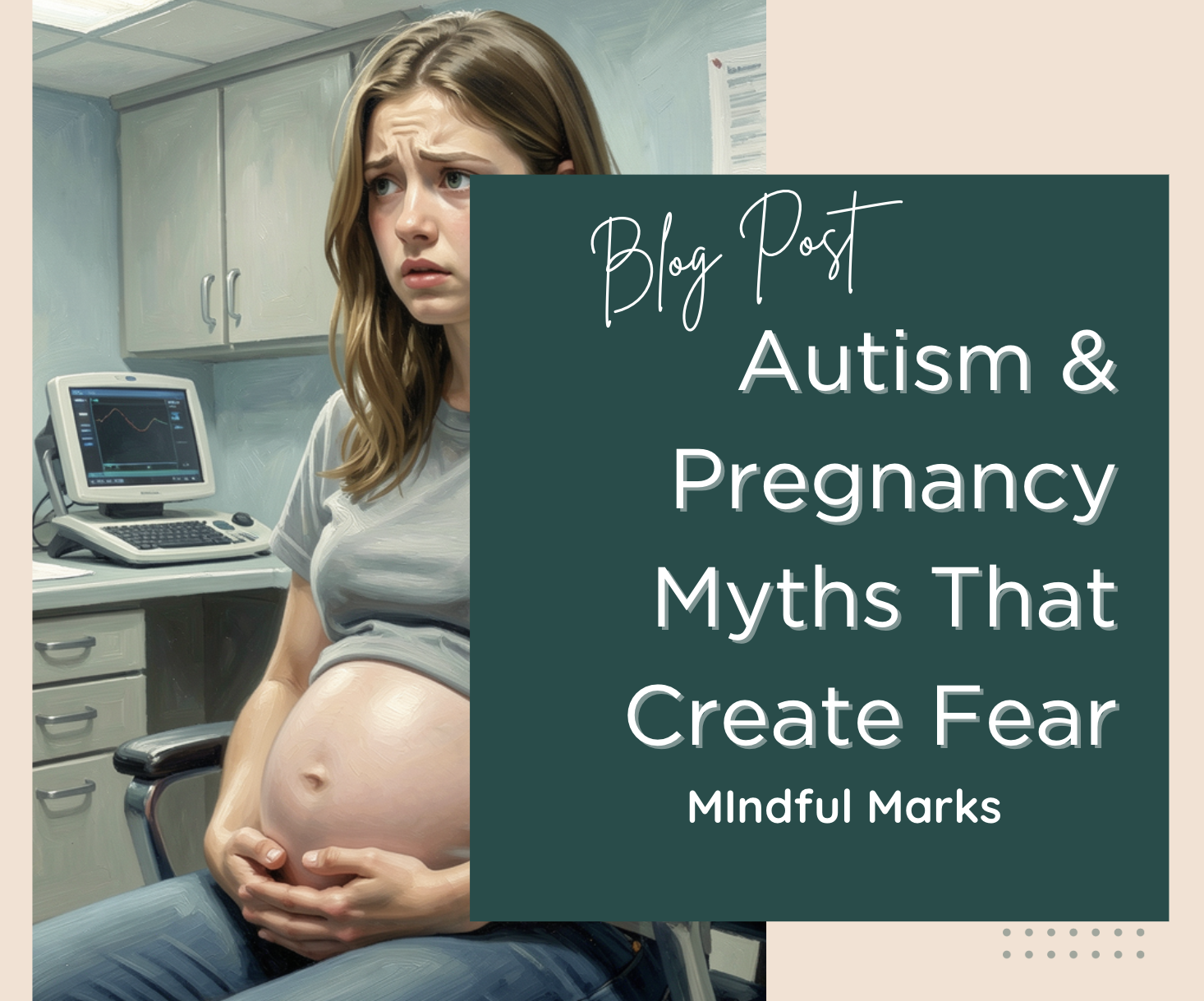
Autism & Pregnancy Myths That Create Fear
Pregnancy is overwhelming enough without myths and misinformation adding fear. This post gently debunks the most common autism and pregnancy myths—like whether stress "causes" autism or if autistic people can't have safe pregnancies—and replaces fear with evidence-based clarity. Learn what actually matters: support, informed care, and compassion for yourself and your growing family. No scare tactics. Just truth.
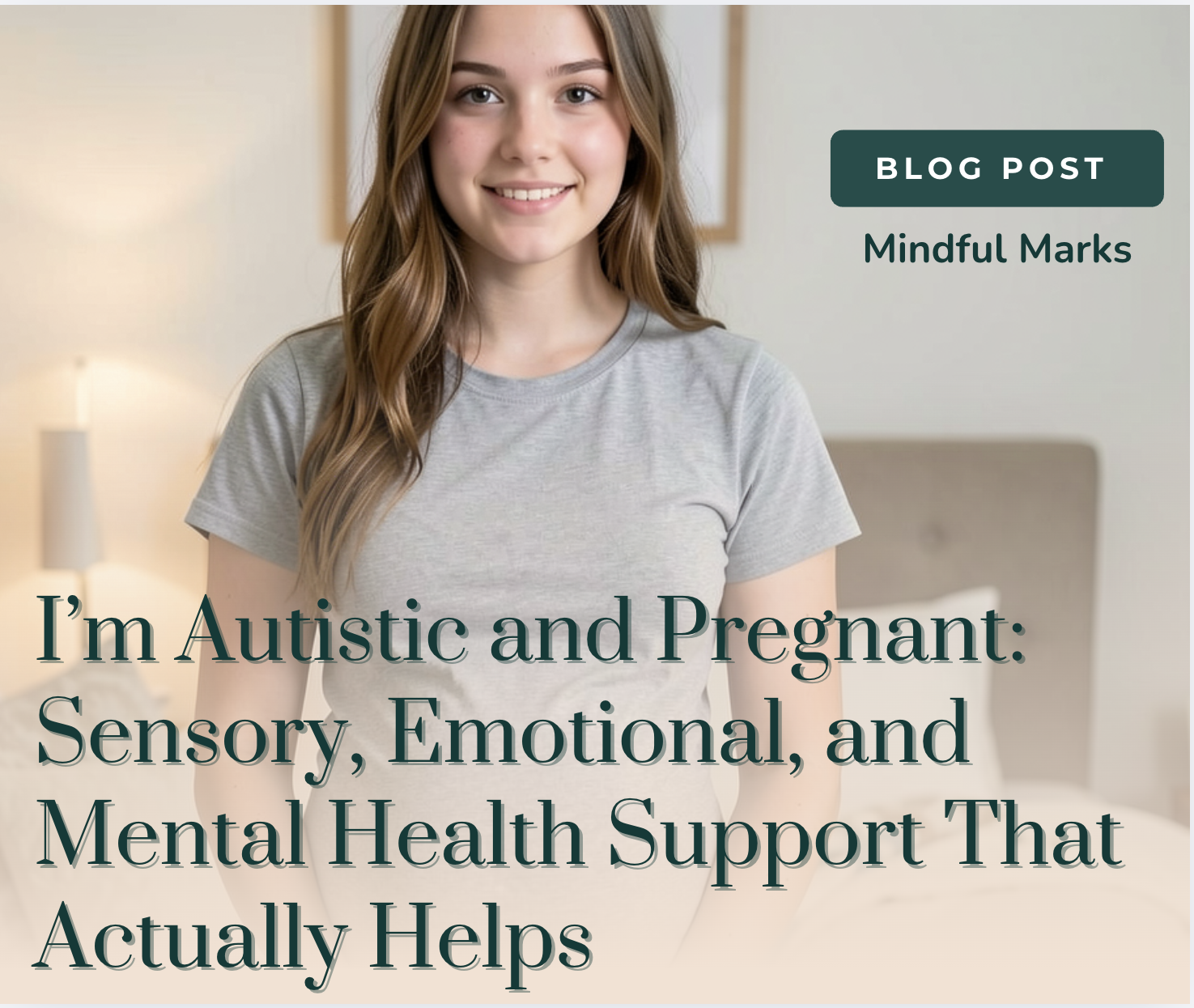
I’m Autistic and Pregnant: Sensory, Emotional, and Mental Health Support That Actually Helps
Pregnancy as an autistic person can bring heightened sensory sensitivity, emotional overwhelm, and medical settings that don't understand your needs. You're not "too sensitive"—your nervous system is responding exactly as it's wired to. This guide offers practical, validating support: sensory regulation strategies, scripts for medical appointments, mental health protection, and birth planning that respects your neurology. No fluff. Just real support.
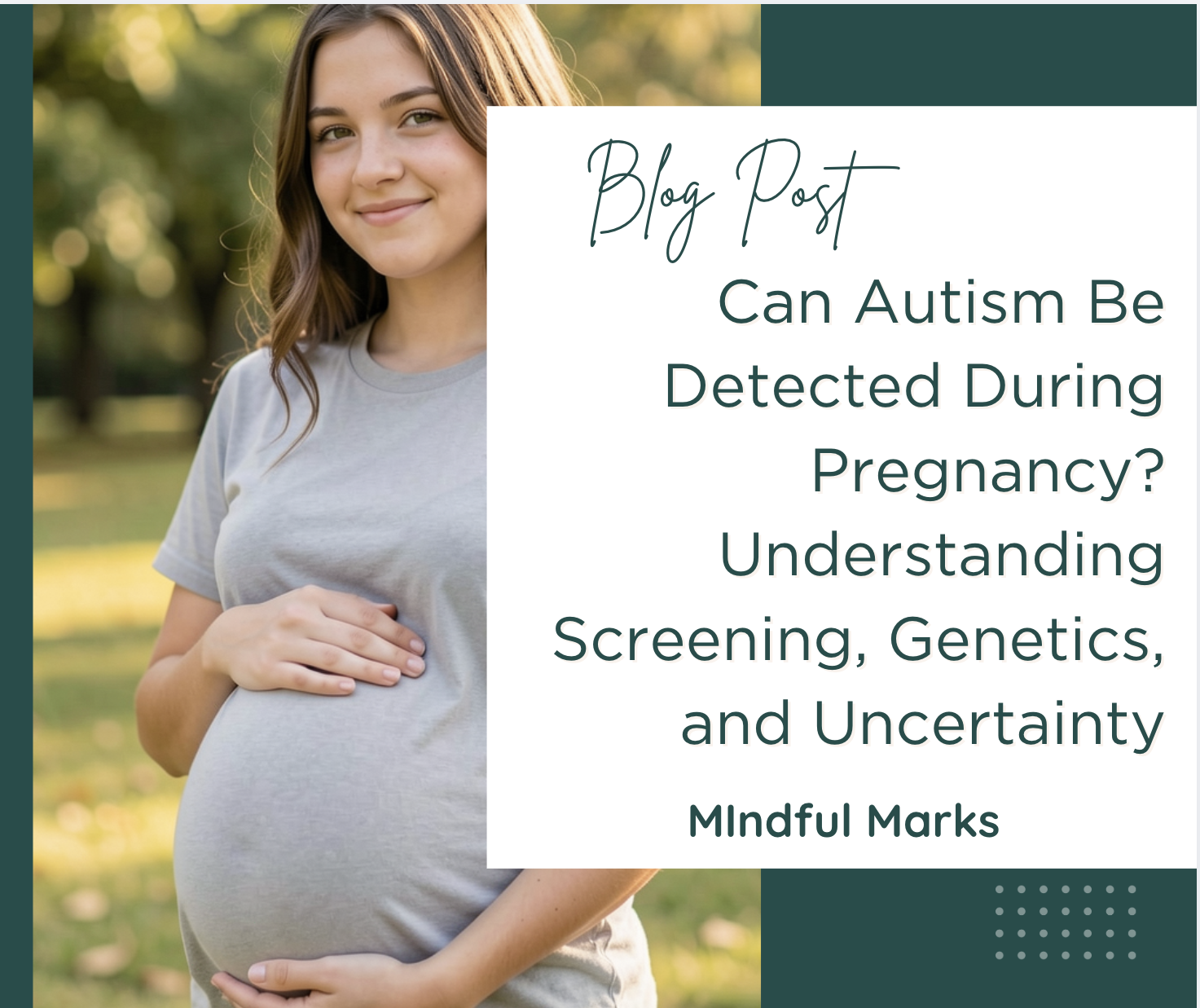
Can Autism Be Detected During Pregnancy? Understanding Screening, Genetics, and Uncertainty
If you're wondering whether autism can be detected during pregnancy, here's the truth: there's no prenatal test that diagnoses autism. But some genetic tests can identify conditions associated with neurodevelopmental differences. This guide explains what prenatal screening actually shows, when genetic counseling helps, and how to cope with uncertainty in a grounded, practical way—without fear or misinformation.

Autism & Pregnancy: What Science Knows, What It Doesn’t, and What Parents Worry About Most
Pregnancy brings questions—especially if autism runs in your family or you're autistic yourself. One worry surfaces repeatedly: "Will my baby be autistic? And if so, did I cause it?" This guide separates myth from science, addresses common fears with evidence-based clarity, and offers grounding support for parents navigating uncertainty. No blame. No fear. Just honest answers to the questions you're really asking.
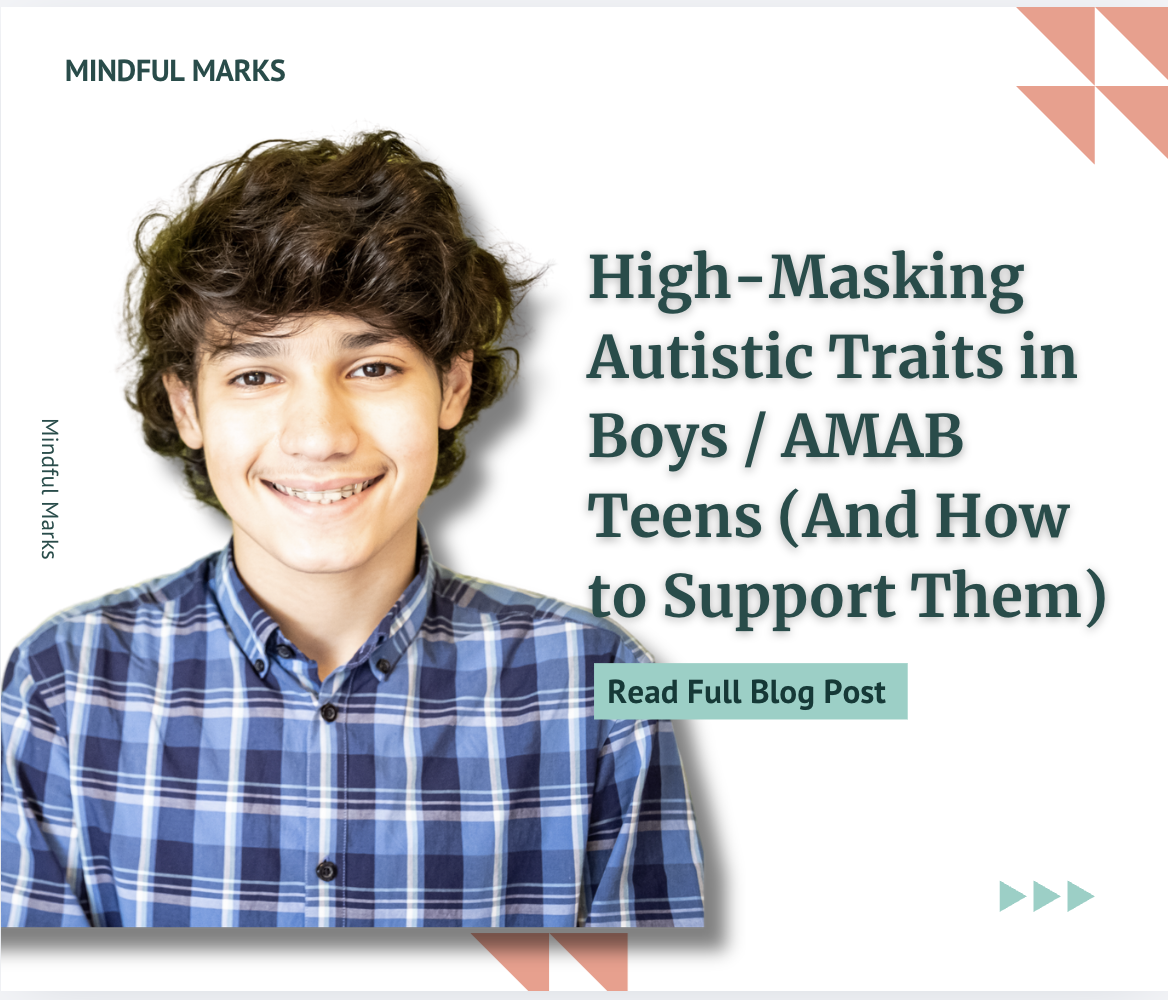
High-Masking Autistic Traits in Boys / AMAB Teens (And How to Support Them)
High-masking autistic boys and AMAB teens often go unnoticed—not because they don't need support, but because they've learned to hide their struggles. This guide explores 6 traits that are often missed, explains why masking happens, and offers 6 practical, teen-respectful ways to support your high-masking teen—without shame, pressure, or forcing them to "act more autistic.