
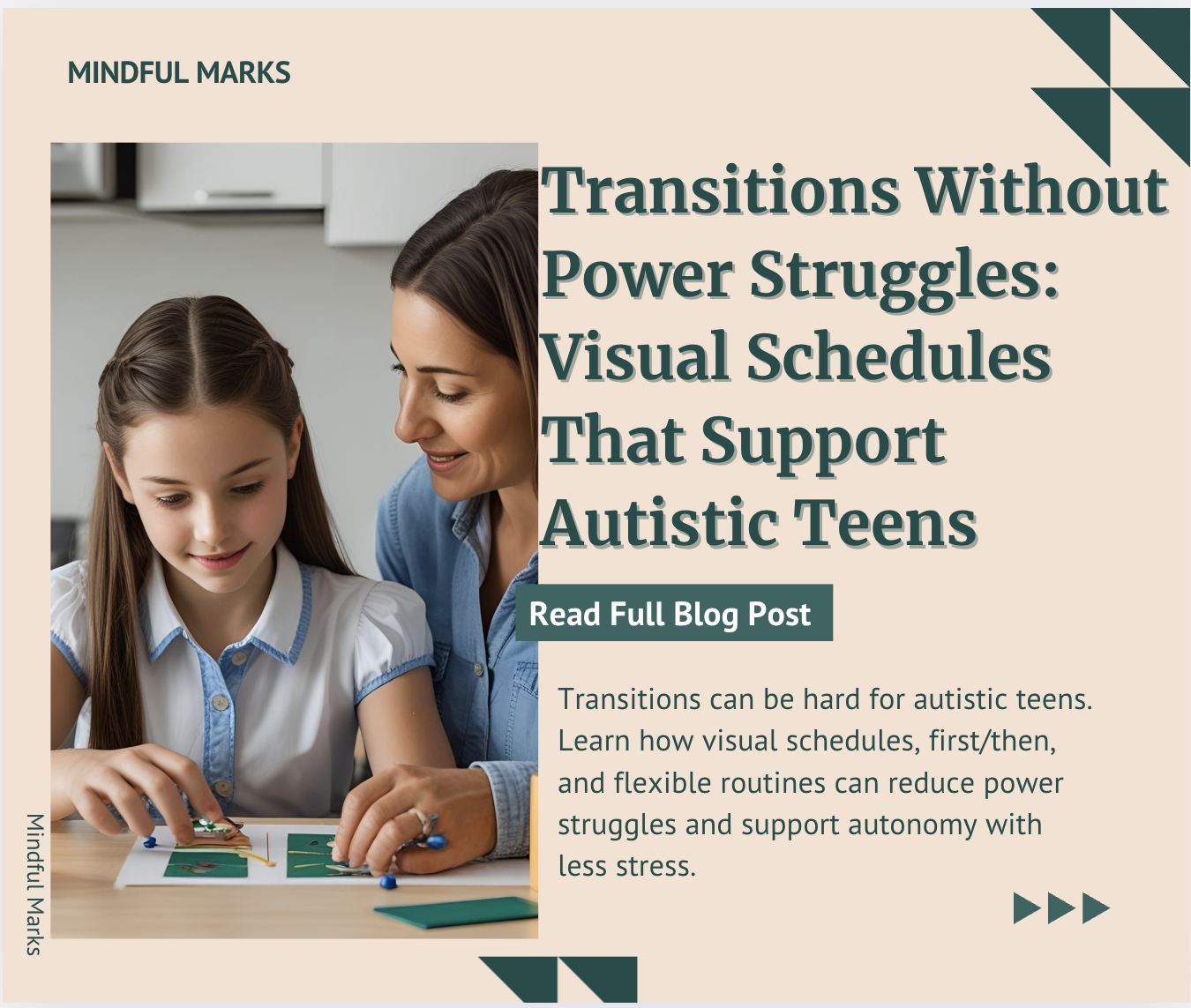
Transitions Without Power Struggles: Visual Schedules That Support Autistic Teens
Transitions can be hard for autistic teens. Learn how visual schedules, first/then, and flexible routines can reduce power struggles and support autonomy with less stress.
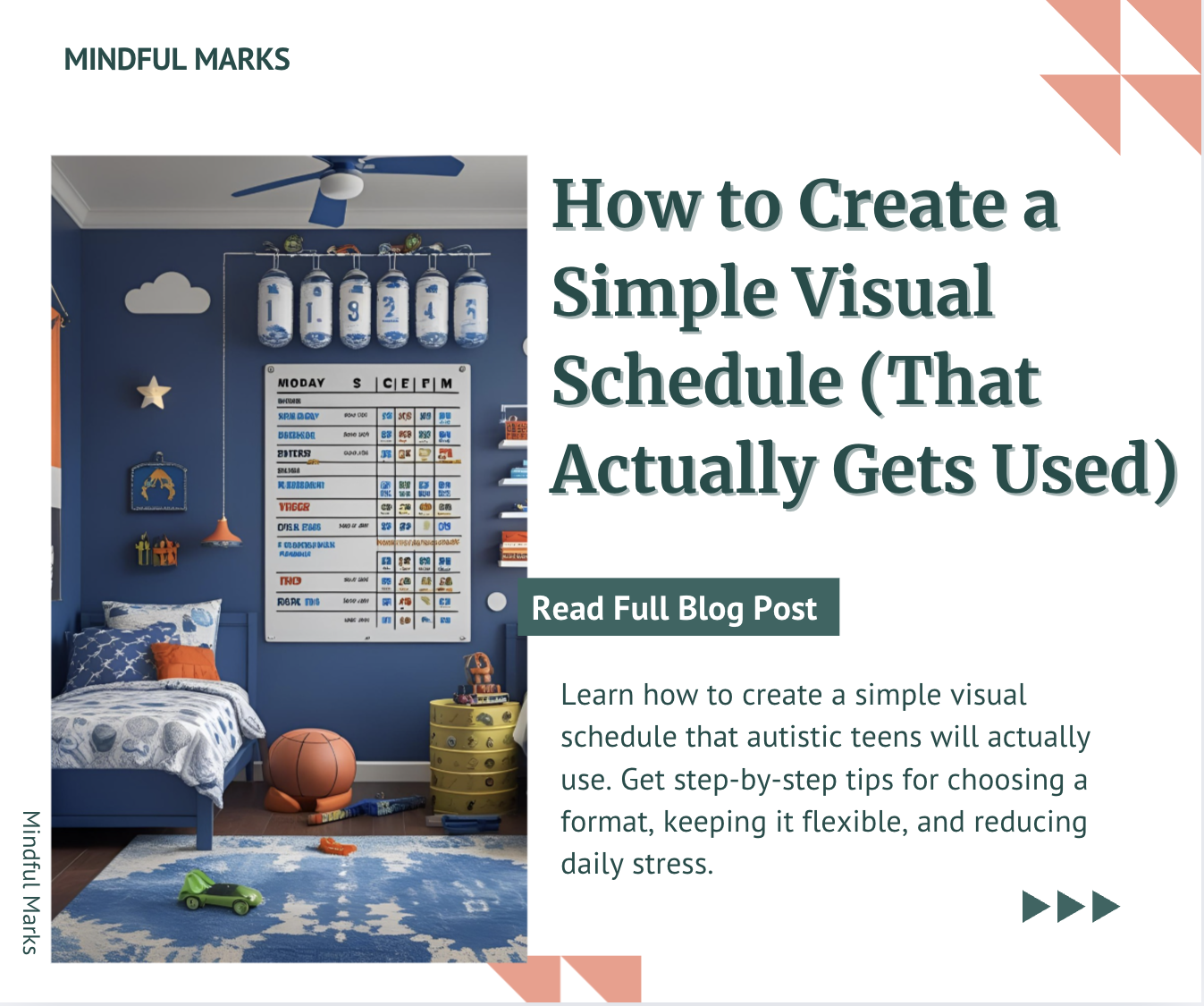
Visual Schedules for Autistic Teens: Respectful Routines Without Babying
Visual schedules can be genuinely helpful, and many teens still dislike them when they feel childish, controlling, or embarrassing. This guide shares respectful, teen-friendly ways to use visual schedules with autonomy and flexibility—so routines feel supportive, not shaming.
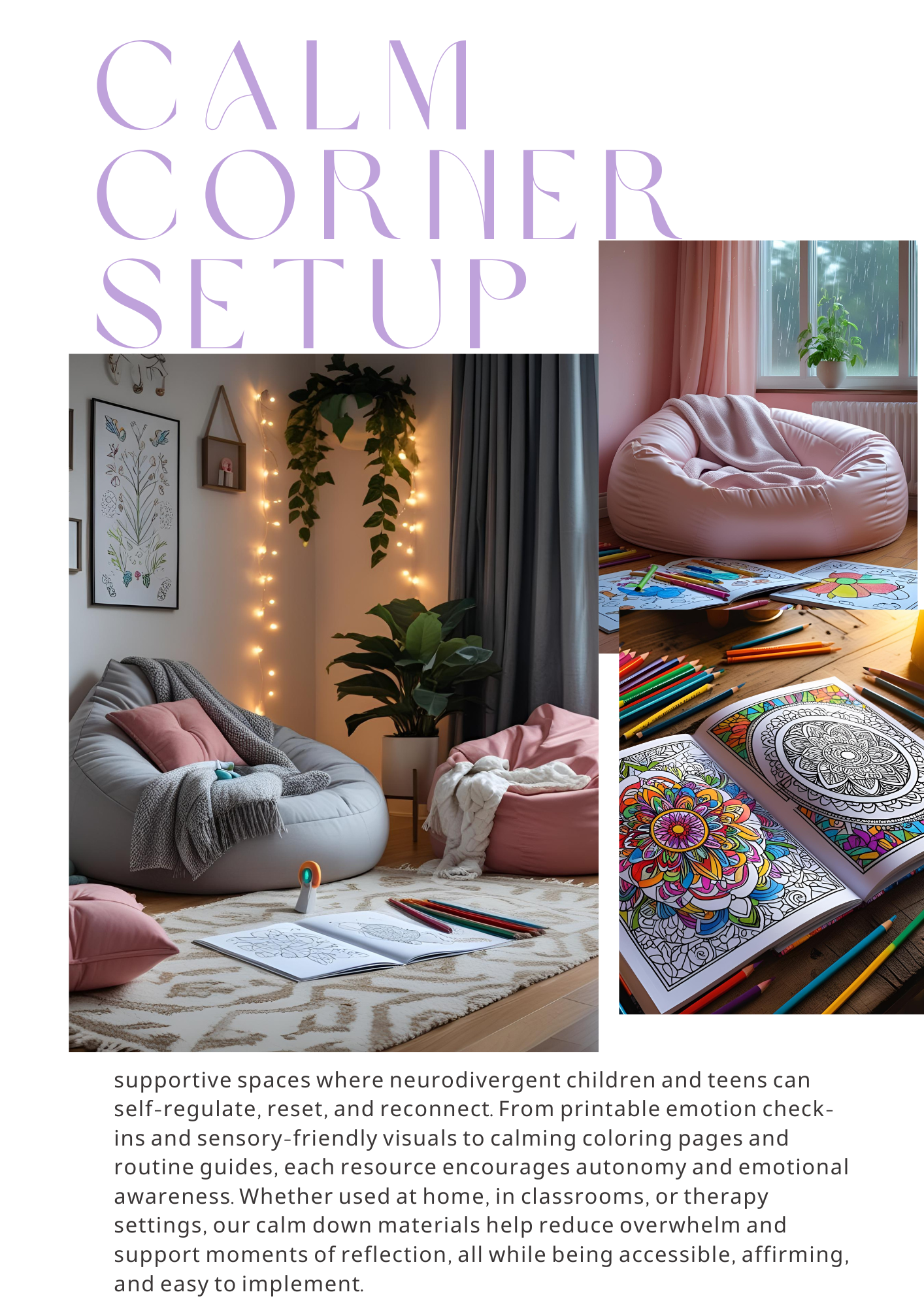
Our Detailed calm corner Set up..
A calm corner is more than a cozy spot—it’s a powerful sensory regulation tool for autistic children and teens. This post offers a detailed, step-by-step guide to creating an autism-friendly calm corner that reduces overwhelm, encourages self-soothing, and promotes emotional well-being.
How Neuroplasticity Supports Learning in Autistic Children—And How to Harness It at Home
Autistic brains are not fixed—they are adaptable, responsive, and capable of growth through neuroplasticity. This post explains how neuroplasticity supports learning in autistic children and how families can encourage learning at home through repetition, interest-based activities, and supportive environments. Progress doesn’t come from pressure—it comes from understanding how the brain learns best.
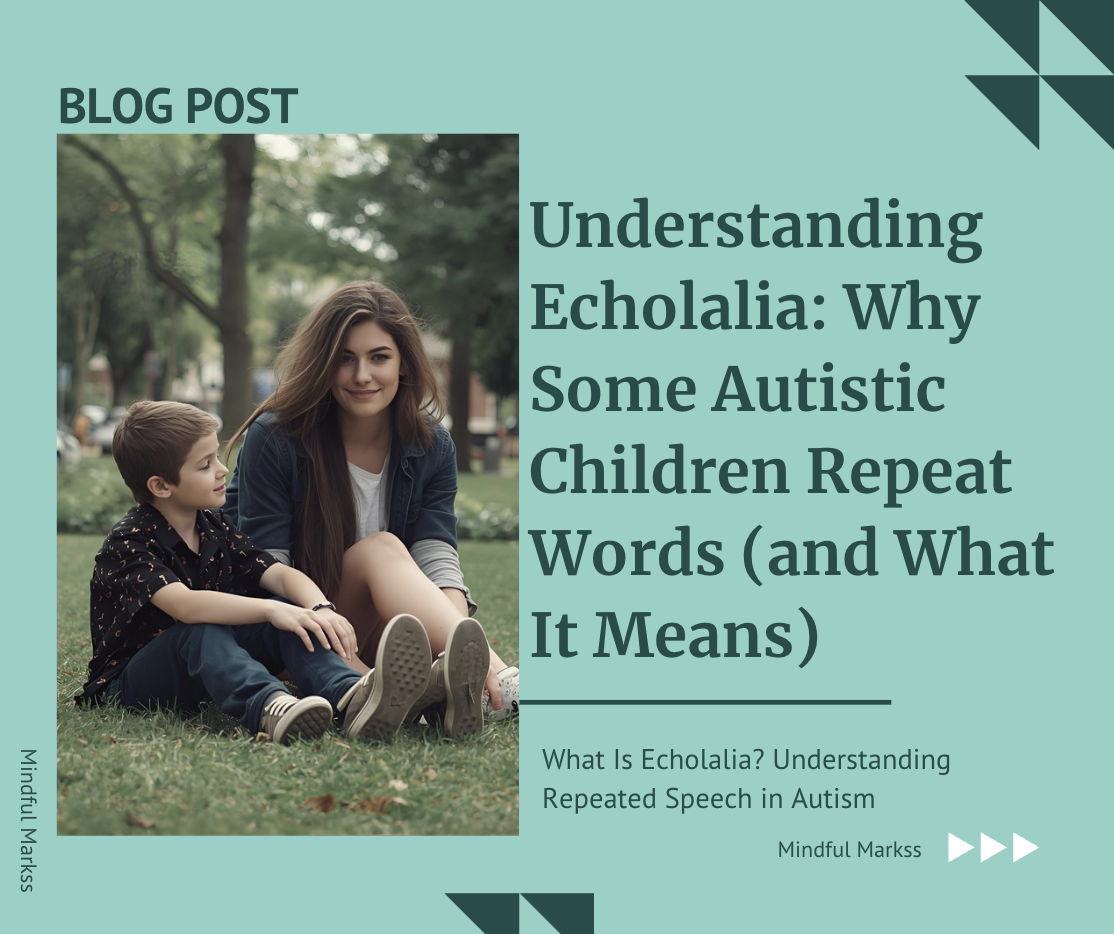
Understanding Echolalia: Why Some Autistic Children Repeat Words and What It Means
Echolalia—repeating words or phrases—is often misunderstood as meaningless or something to stop. In reality, it can be an important and purposeful form of communication for autistic children. This post explains why echolalia happens, what it can communicate, and how understanding it can help families respond with patience, respect, and support.
Preparing for Adulthood: Independence & Life Planning
Preparing for adulthood doesn’t mean rushing independence. Learn how to support neurodivergent teens with life planning, skills, and confidence.
What is “Masking” (or Camouflaging) in Autism?
Masking, also known as camouflaging, is the act of hiding or suppressing autistic traits to blend in with social expectations. While masking can help someone get through school, work, or social situations, it often comes at a significant emotional cost. This post explains what masking is, why it happens, and why unmasking can be an important step toward well-being and self-acceptance.
Could This Be Me? Understanding Late Autism Discovery in Adults
Many adults begin questioning autism later in life after years of masking, burnout, or feeling different without knowing why. This post explores what late autism discovery can look like, why the question “Could this be me?” is so common, and how learning more can bring understanding, relief, and self-compassion. You’re not imagining your experiences—and you’re not alone in asking these questions.
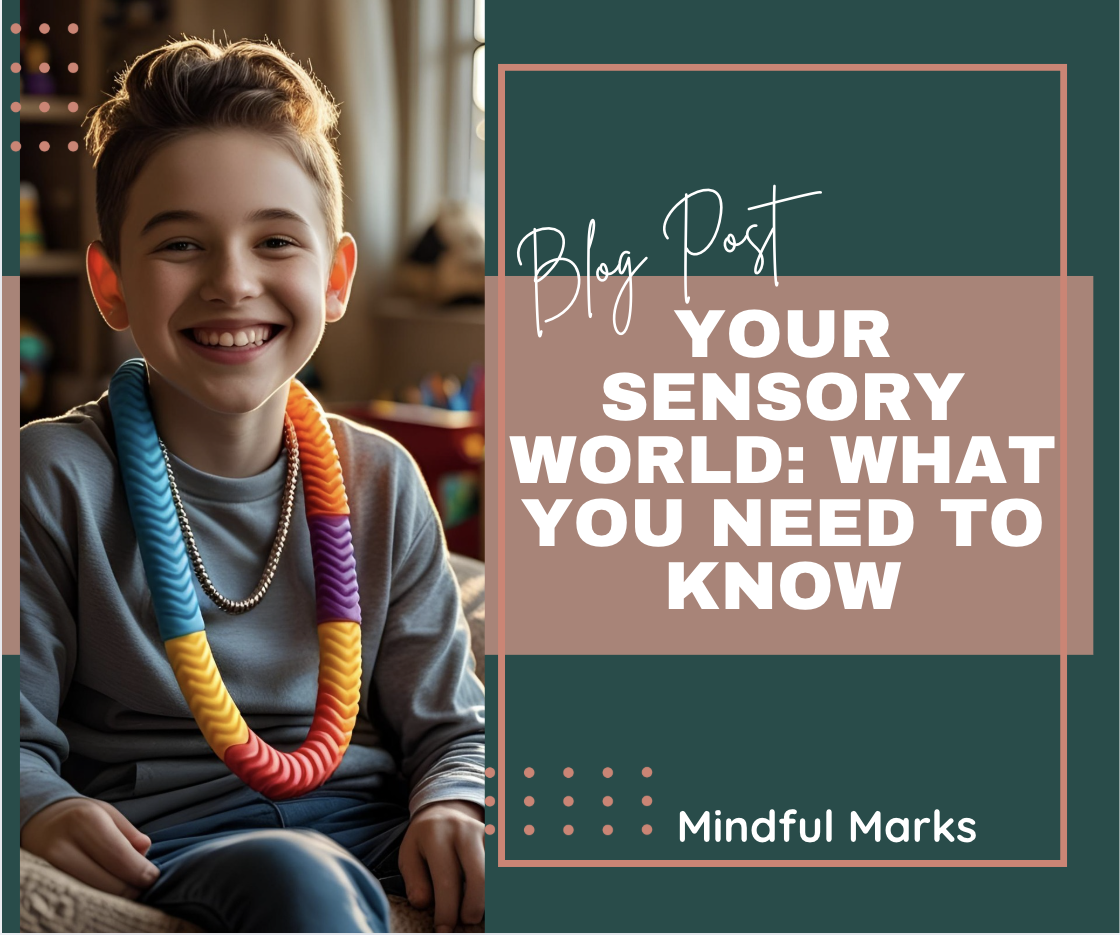
Your Sensory World: What You Need to Know
Everyone experiences the world through their senses—but not everyone’s sensory world works the same way. This post breaks down what sensory processing is, why sounds, lights, textures, or movement can feel overwhelming, and how understanding your sensory needs can support regulation, comfort, and emotional safety. Sensory differences aren’t a flaw—they’re information.

Special Interests: Your Hidden Superpower
Special interests are often misunderstood as distractions or obsessions, but for autistic kids and teens, they can be powerful sources of joy, regulation, and learning. This post explores why special interests matter, how they support emotional well-being and focus, and how families can nurture these passions without pressure or shame.

Social Fatigue: Why You Feel Wiped Out but Didn’t “Do Much”
Social fatigue can leave you feeling completely wiped out—even on days that looked “easy” from the outside. This post explains why social interaction is so draining for many neurodivergent people, how the nervous system plays a role, and why exhaustion doesn’t mean you’re lazy or doing life wrong. You’re not imagining it—and you’re not alone.
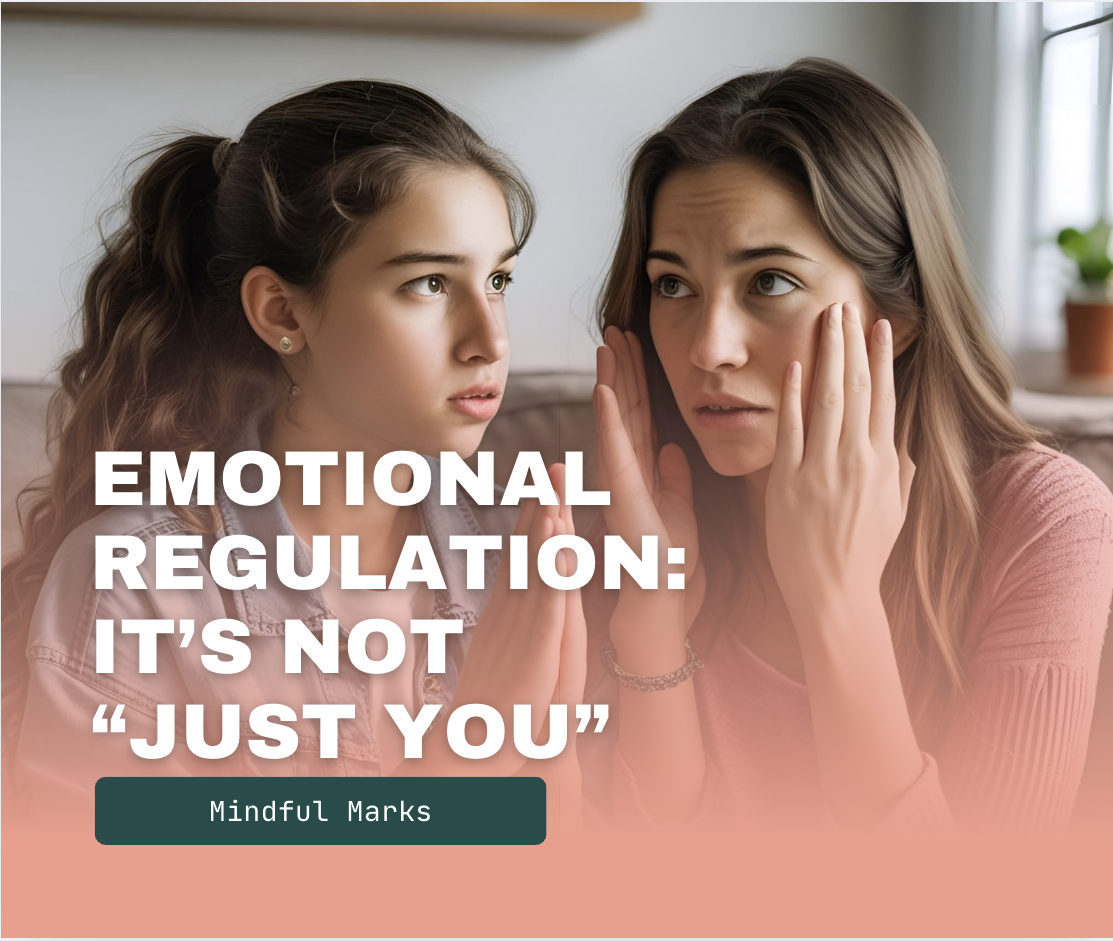
Emotional Regulation: It’s Not “Just You”
Emotional regulation challenges aren’t a personal flaw—they’re often rooted in how the nervous system processes stress, sensory input, and emotions. This post explores why regulation can feel so hard for neurodivergent teens and parents, and offers reassurance that struggling doesn’t mean you’re failing. You’re not alone—and there is a gentler way forward.

A Breakdown of Autism Therapies: ABA, Speech, OT, and More—What Do They Actually Do?
Autism therapy options can feel overwhelming—especially when every recommendation sounds urgent or confusing. This post breaks down common autism therapies like ABA, speech therapy, occupational therapy, and more, explaining what each one actually supports, what goals they focus on, and how families can make informed, values-aligned choices. Therapy isn’t one-size-fits-all—and understanding your options matters.

Three Signs You Might Be Autistic as an Adult (and What They Really Mean)
Many autistic adults go undiagnosed for years, often because their traits were misunderstood or masked. This post explores three common signs you might be autistic as an adult—and what those signs actually mean beneath the surface. Understanding these traits can bring clarity, self-compassion, and a new way of making sense of your experiences. You’re not broken—and you’re not imagining it.

Why a Late Autism Diagnosis Might Feel Like Both a Relief and a Shock
A late autism diagnosis can feel life-changing—and emotionally confusing. Many people describe feeling both relieved to finally have answers and shocked by what the diagnosis reframes about their past. This post explores why these emotions often coexist, what they mean, and how to process them with compassion, understanding, and support. You’re not overreacting—and you’re not alone.
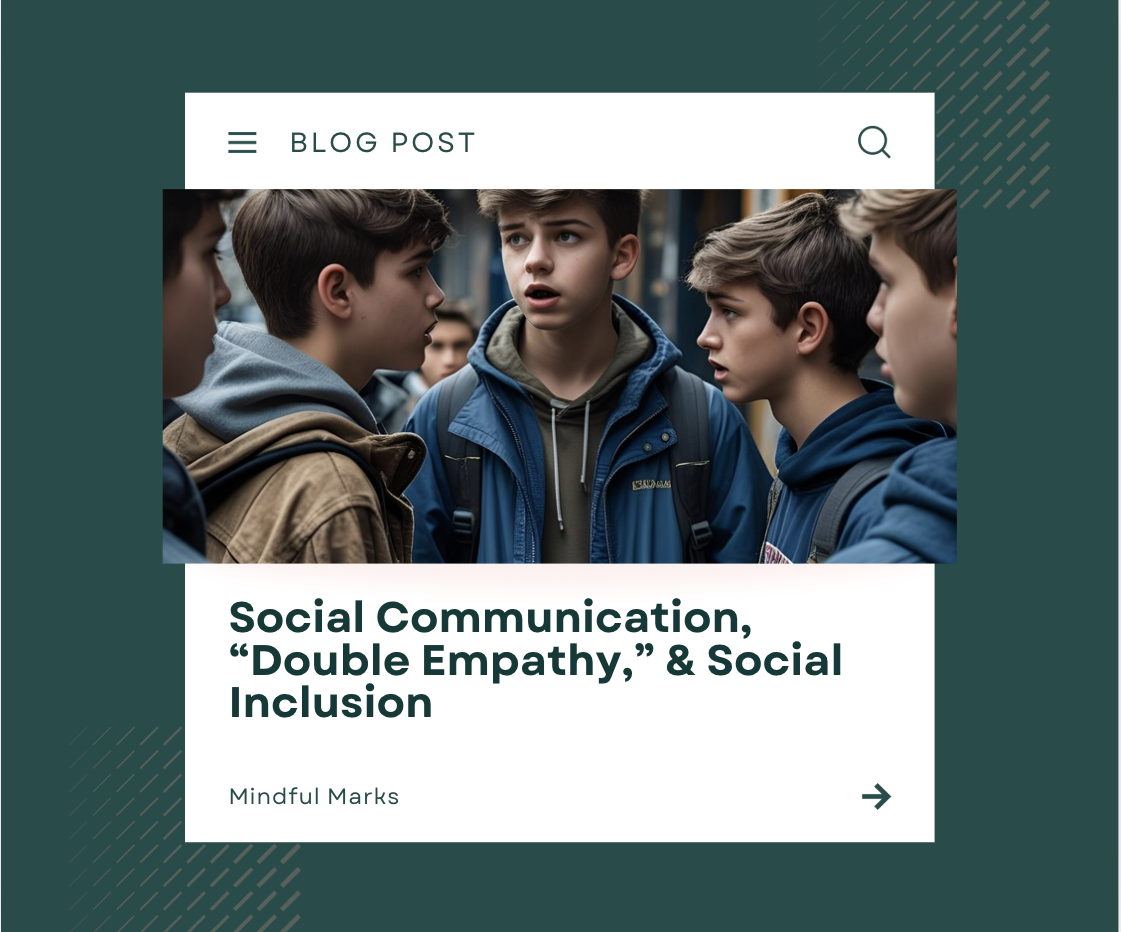
Social Communication, “Double Empathy,” & Social Inclusion
Social communication differences in autism are often framed as deficits—but the concept of “double empathy” offers a more accurate and compassionate explanation. This post explores how communication breakdowns happen when people with different neurotypes misunderstand each other, and why true social inclusion depends on shared understanding, flexibility, and mutual respect—not conformity.
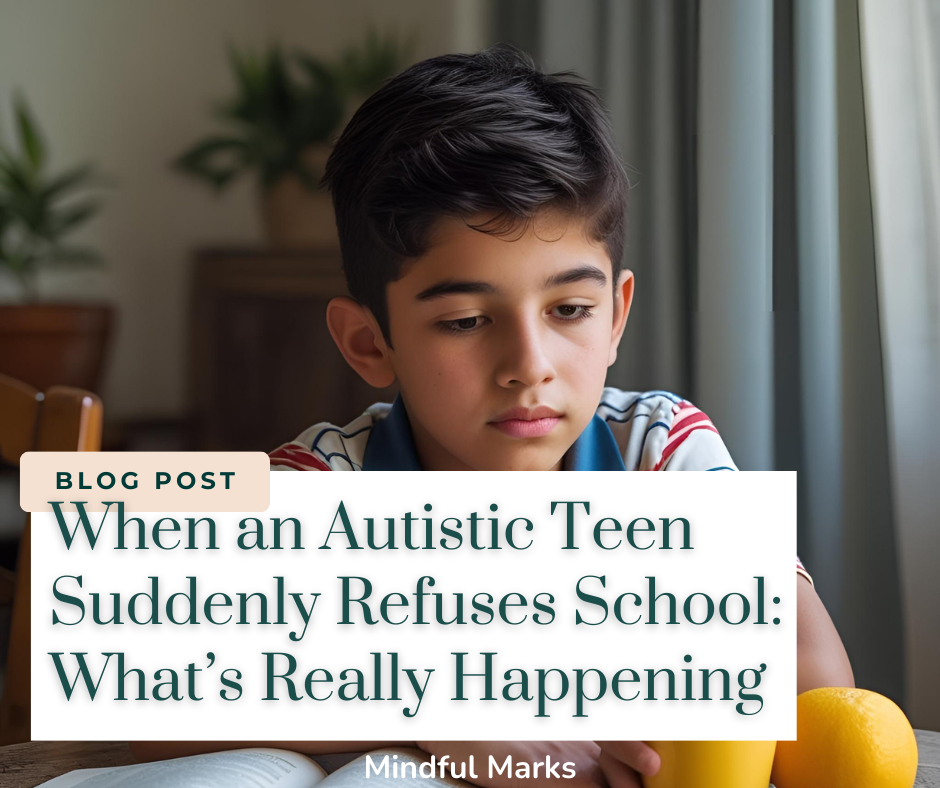
When an Autistic Teen Suddenly Refuses School: What’s Really Happening
When an autistic teen suddenly refuses school, parents are often left confused, worried, and unsure how to respond. This article explores the real reasons behind school refusal—including burnout, anxiety, sensory overload, and loss of safety—and offers compassionate, practical guidance for supporting autistic teens without causing further harm.
Signs You May Have Autism as an Adult
Many adults reach adulthood without realizing they may be autistic—often because their traits were misunderstood, masked, or overlooked. This guide explores common signs of autism in adults, including sensory sensitivities, social differences, emotional regulation challenges, and burnout, helping readers better understand themselves and their needs.
Executive Function Tips for Autistic Teens (That Actually Help)
Executive function challenges can make daily life overwhelming for autistic teens—especially when expectations rise during adolescence. Difficulty starting tasks, managing time, or handling transitions isn’t about laziness or lack of motivation. It’s about how the brain processes information under stress. This guide explains executive function in clear, compassionate terms and shares practical strategies parents can use to support their autistic teen without pressure, shame, or burnout.

Items That Help Your Autistic Teen Sleep Better at Night
Sleep challenges are common for autistic teens, and they’re rarely about behavior or bedtime rules. Many autistic teens struggle to fall asleep or stay asleep because their nervous system remains in a heightened state long after the day ends.
This guide explores sensory-friendly bedroom items that help autistic teens calm down before bed by supporting regulation, reducing sensory overload, and creating a sense of safety and predictability at night. These supports are not about forcing sleep—they’re about helping the body feel ready for rest.
Whether your teen needs deep pressure, reduced noise, softer lighting, or a more enclosed sleep space, these items can help make bedtime calmer for the whole family.