
How to Support Autistic Teens Without Controlling Their Relationships.
Autistic teens need guidance in relationships—but not control. This supportive guide helps parents learn how to protect their teen’s emotional well-being while respecting autonomy, building trust, and encouraging healthy connections.
Why “Just Ignore the Crush” Doesn’t Work for Autistic Teens
When autistic teens develop a crush, being told to “just ignore it” can feel confusing, invalidating, and even painful. Romantic feelings aren’t a distraction to push away—they’re a real emotional experience. Understanding why ignoring doesn’t work is the first step toward helping teens navigate emotions with confidence and care.
How Autism Affects Romantic Feelings in Teenagers
Autistic teenagers experience crushes, attraction, and romantic curiosity just like their peers—but autism can influence how these feelings are processed, expressed, and understood. This guide explains what parents should know about romance, boundaries, and emotional safety for autistic teens.

When Your Autistic Teen Has Their First Crush: What Parents Need to Know
When your autistic teen develops their first crush, it can bring excitement, worry, and a lot of questions. This parent-friendly guide explains how autistic teens experience attraction, why emotions may feel more intense, and how to support your teen through crushes with empathy, clear communication, and emotional safety.
Is My Autistic Teen Being Rude—or Overwhelmed?
Is your autistic teen being rude—or are they overwhelmed?
Many parents find themselves confused by sudden snapping, blunt responses, or shutdowns that seem disrespectful on the surface. But for autistic teens, what looks like “attitude” is often a nervous system in distress. Sensory overload, emotional flooding, and communication breakdowns can make it hard for teens to respond calmly or politely in the moment.
This post explores how to tell the difference between rudeness and overwhelm, why traditional discipline often backfires, and what actually helps autistic teens feel safe, understood, and regulated. With practical, compassionate strategies, you’ll learn how to respond in ways that reduce escalation and build trust—without ignoring boundaries or expectations.
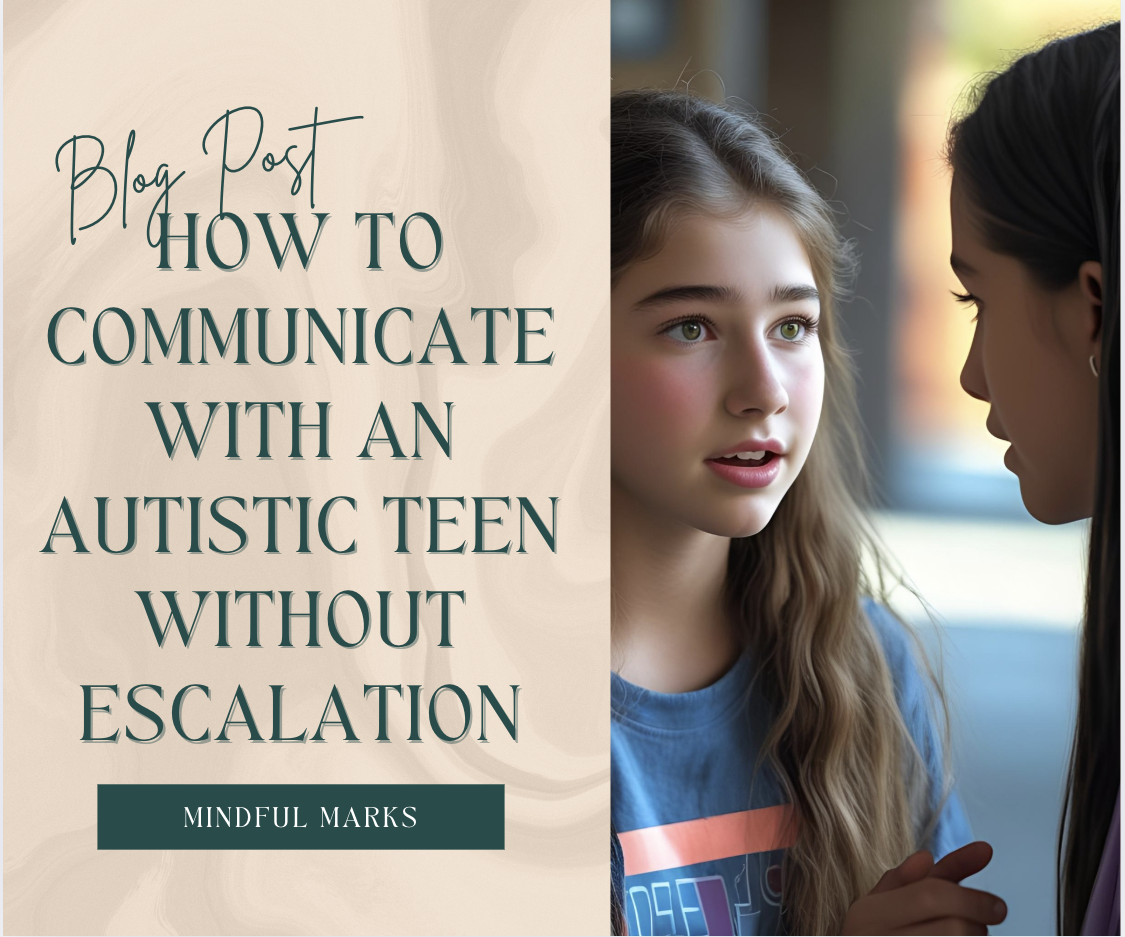
How to Communicate With an Autistic Teen Without Escalation
Communicating with an autistic teen can feel overwhelming—especially when conversations escalate quickly into meltdowns or shutdowns. But escalation isn’t defiance; it’s often a nervous system response to stress, sensory overload, or feeling misunderstood. In this post, we explore calm, practical communication strategies that help parents reduce conflict, support regulation, and build stronger, more trusting connections with their autistic teen.
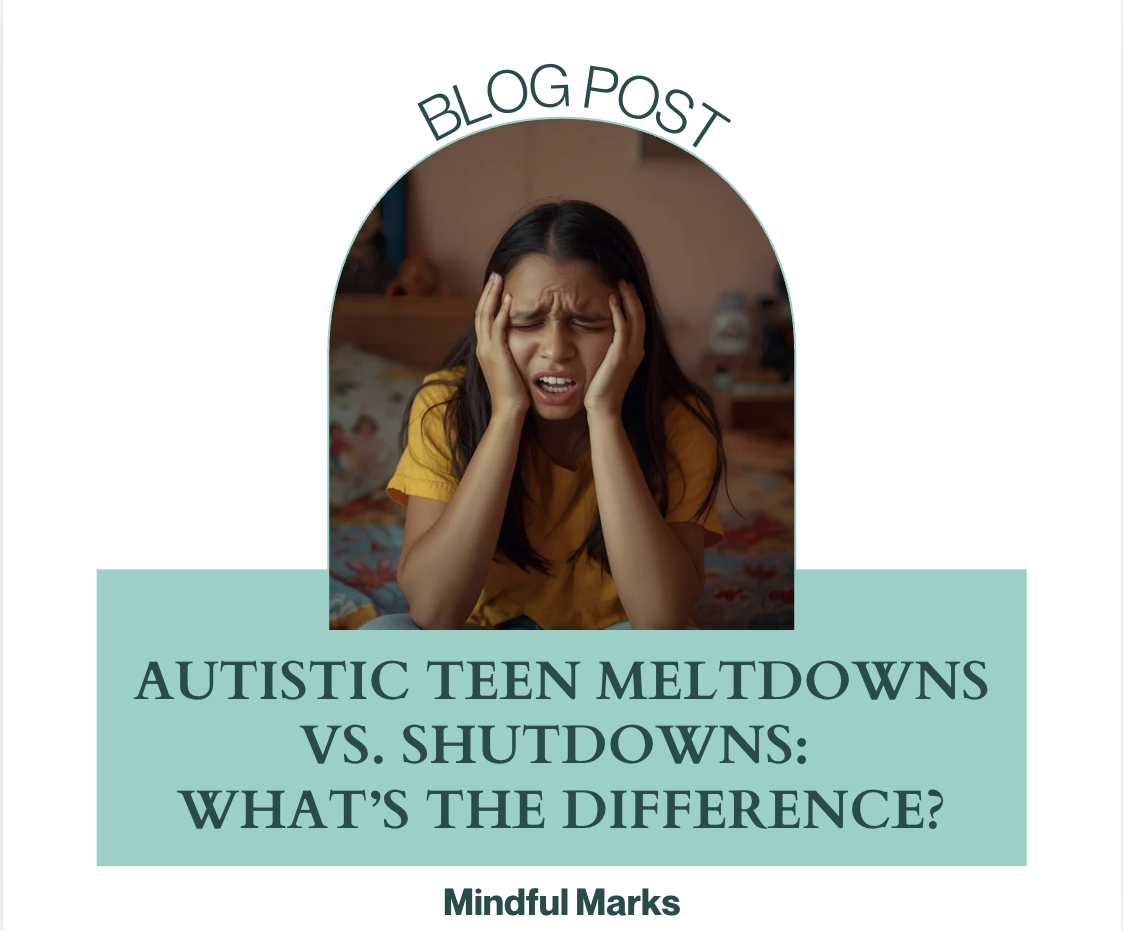
Autistic Teen Meltdowns vs. Shutdowns: What’s the Difference?
When an autistic teen suddenly explodes with emotion—or goes completely silent—it can leave parents feeling confused and unsure how to respond. These moments are often described as meltdowns or shutdowns, but they are not the same thing. Understanding the difference helps parents replace fear and frustration with compassion and support. In this post, we break down what meltdowns and shutdowns really are, why they happen, and how to respond in ways that help your teen feel safe, regulated, and understood.

5 Benefits of therapeutic Coloring for Autistic Teens
Therapeutic coloring offers more than just creative fun—it’s a proven way to support mental health and sensory needs in autism. Discover five key benefits, from reducing anxiety to boosting focus, that make mindful coloring a powerful tool for neurodivergent children, teens, and adults.

Our Calm Corner Setup-
Therapeutic coloring offers more than just creative fun—it’s a proven way to support mental health and sensory needs in autism. Discover five key benefits, from reducing anxiety to boosting focus, that make mindful coloring a powerful tool for neurodivergent children, teens, and adults.
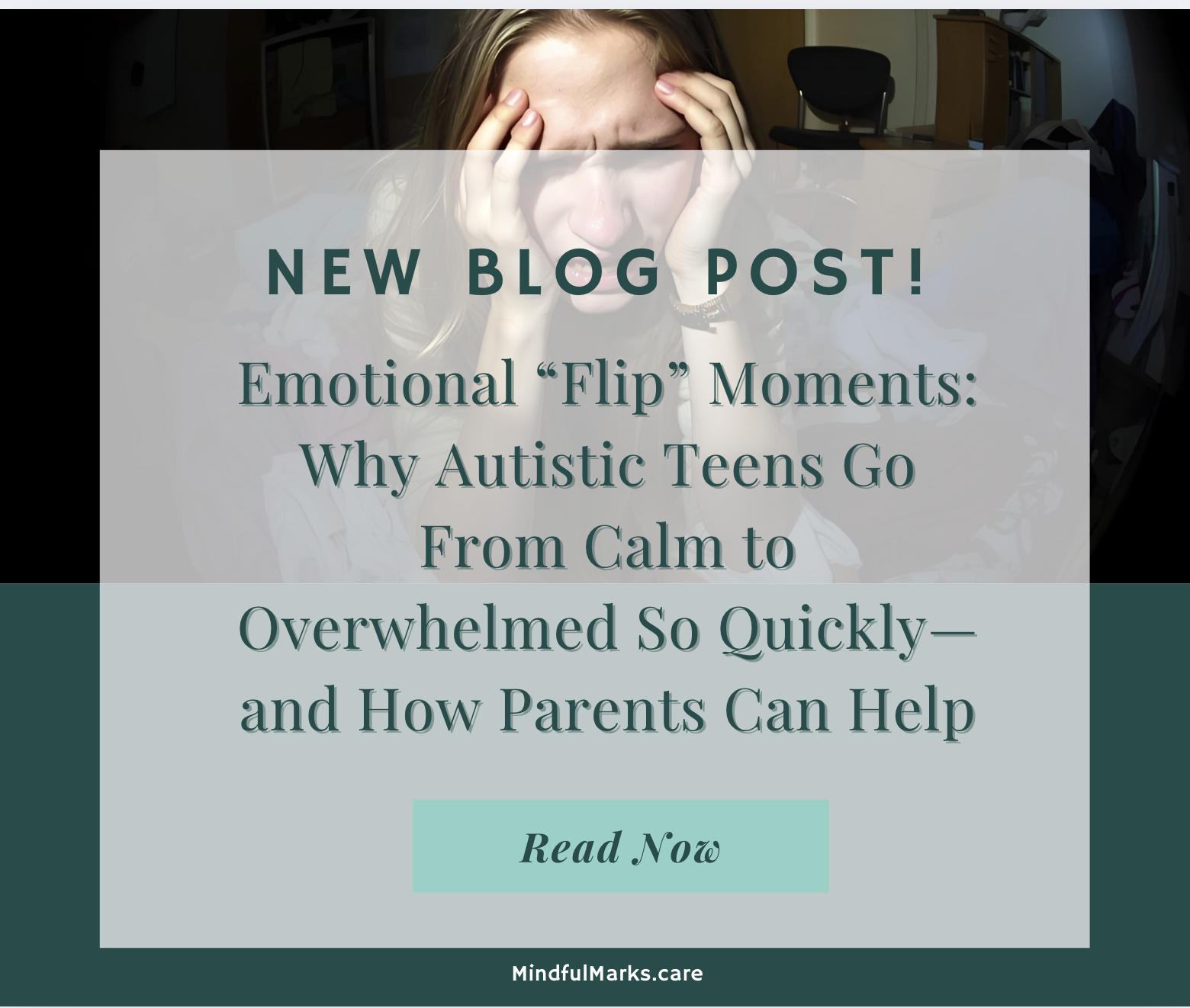
Emotional “Flip” Moments: Why Autistic Teens Go From Calm to Overwhelmed So Quickly—and How Parents Can Help
Emotional “flip” moments can feel like they come out of nowhere. One second your autistic teen seems calm—and the next they’re overwhelmed, shutting down, or melting down entirely. For parents, these moments are often confusing and emotionally exhausting, especially when you’re unsure how to help without making things worse.
In this post, we explore what’s really happening inside an autistic teen’s nervous system during these sudden emotional shifts. You’ll learn why these moments aren’t intentional, what hidden stressors often build beneath the surface, and how parents can respond in ways that reduce harm, support regulation, and build trust. Understanding emotional flip moments can transform fear and frustration into confidence, compassion, and connection.
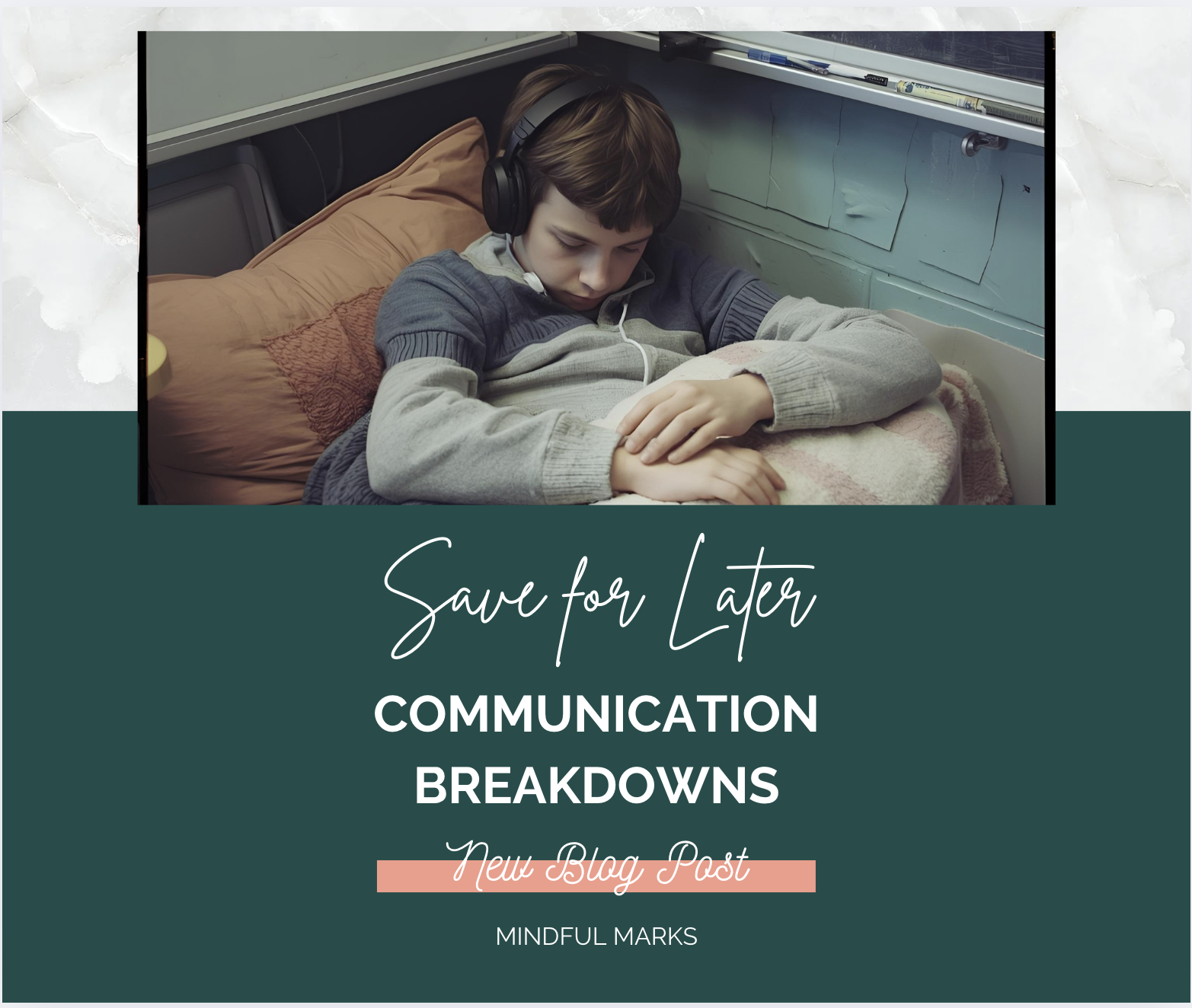
Communication Breakdowns
If conversations with your teen frequently turn into confusion, shutdowns, or conflict, you’re not failing—and neither are they.
Many autistic teens process language literally, struggle with unclear expectations, and shut down when their nervous system becomes overwhelmed. What looks like “not listening” is often a brain trying to protect itself.
In this post, we explore why communication breaks down so easily, how literal language and sensory overload play a role, and what parents can do to create clearer, calmer conversations that reduce stress for everyone.
Understanding comes before change—and small shifts in how we communicate can make a powerful difference.

Why My Autistic Teenager Takes Everything Literally
Your autistic teen isn’t being difficult when they misunderstand jokes, sarcasm, or vague instructions—they’re processing language exactly as their brain understands it. In this guide, we explore why literal thinking happens in autistic teenagers and share practical, compassionate tools parents can use to reduce frustration and strengthen connection.

Therapeutic Coloring: Why It Works for Autistic Teens
Therapeutic coloring is more than a creative activity — it’s a powerful tool for sensory regulation and emotional support for autistic teens. This post explores why coloring works, how predictable patterns and gentle repetition calm the nervous system, and how coloring can support focus, reduce anxiety, and provide a safe outlet for self-expression without pressure.
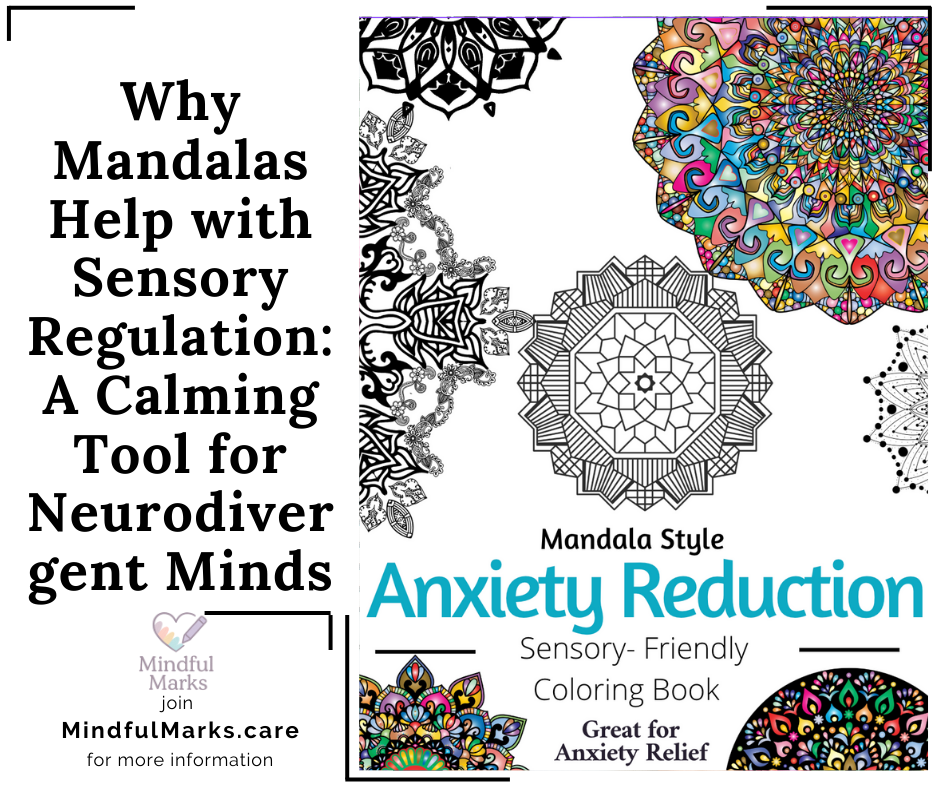
Why Mandalas Help with Sensory Regulation: A Calming Tool for Neurodivergent Minds
Mandalas aren’t just beautiful—they’re powerful tools for sensory regulation. This post explores how repetitive patterns, mindful coloring, and autism-friendly designs can help autistic children, teens, and adults reduce stress, improve focus, and find emotional balance.
Teaching Sarcasm to Autistic Preteens:
Sarcasm can be tricky for autistic preteens to understand, but with the right approach, they can learn to spot and interpret social cues. In this guide, we share autism-friendly strategies, real-life examples, and communication tips to help neurodivergent kids navigate humor and build social confidence.

The Parents’ Guide to Understanding Autistic Teens: Communication, Emotional Regulation, and Independence
The Parents’ Guide to Understanding Autistic Teens: Communication, Emotional Regulation, and Independence | Mindful Marks

Welcome to MindfulMarks.care
At MindfulMarks.care, our mission is simple but powerful — to bridge the gap between childhood and adulthood for autistic teens, one mindful mark, one calm moment at a time.
We create therapeutic coloring books, sensory-friendly apparel, and mindfulness tools that help teens slow down, express themselves, and find peace through creativity.
Every design, quote, and product is made with intention — to comfort without overwhelm, to educate without pressure, and to celebrate every mind as beautifully unique.