
For Autistic Teens: Transition Planning, Executive Functioning Support, and Mental Health Care
Raising an autistic teen means navigating big transitions, supporting executive functioning skills, and prioritizing mental health—all at once. It can feel overwhelming, but you don't have to figure it out alone. This guide walks you through practical transition planning strategies, executive function support tools, and mental health care approaches that center your teen's strengths, dignity, and autonomy. Whether you're preparing for high school graduation, college, work, or independent living, you'll find clear steps, helpful scripts, and realistic guidance to support your teen through this crucial stage.
My Teen Is Stronger Than Me Now: Neuroaffirming Safety Plans for Overwhelm (Without Restraint)
When your autistic teen is physically stronger than you, moments of intense overwhelm can feel frightening—for both of you. Many parents worry about safety but don't want to use restraint or force. You're not alone in this, and there are neuroaffirming ways to plan ahead. This guide helps you create a compassionate safety plan that protects everyone's dignity, reduces the chance of crisis escalation, and centers your teen's autonomy. You'll find practical de-escalation strategies, environmental safety planning, co-regulation tools, and scripts that respect your teen while keeping your family safe during moments of overwhelm.
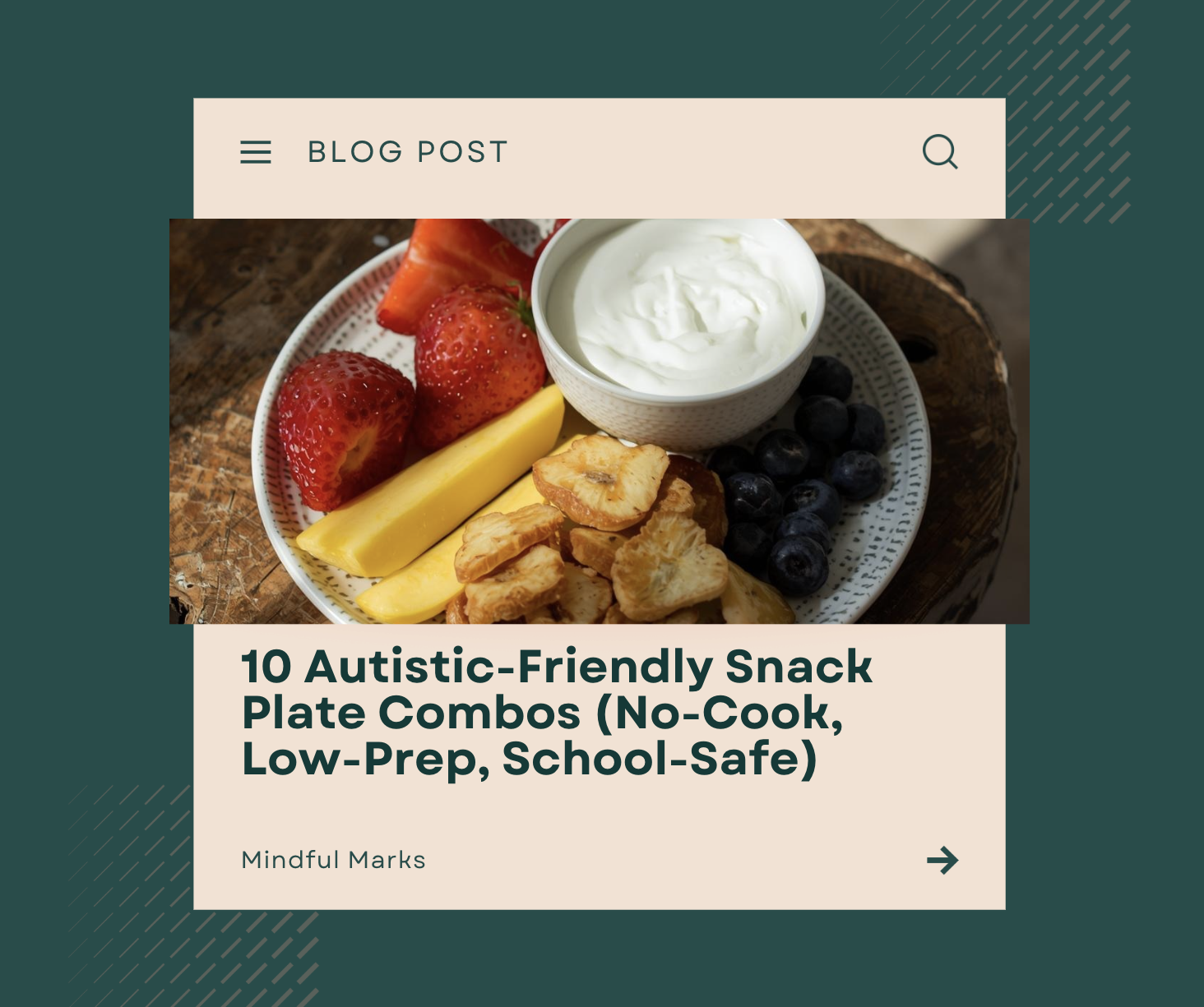
10 Autistic-Friendly Snack Plate Combos (No-Cook, Low-Prep, School-Safe)
Snack plates can be a game-changer for autistic teens who struggle with food pressure, sensory sensitivities, or unpredictable appetite. This guide gives you 10 ready-to-use snack plate combos that are no-cook, low-prep, and school-safe—so you can offer calm, low-pressure food access without extra stress. Each combo follows the "2 safe + 1 optional" rule, includes separated foods, and respects sensory preferences. Whether your teen needs a quick after-school snack, a lunch alternative, or a gentle meal option, these combinations are practical, flexible, and designed to reduce mealtime overwhelm for everyone.
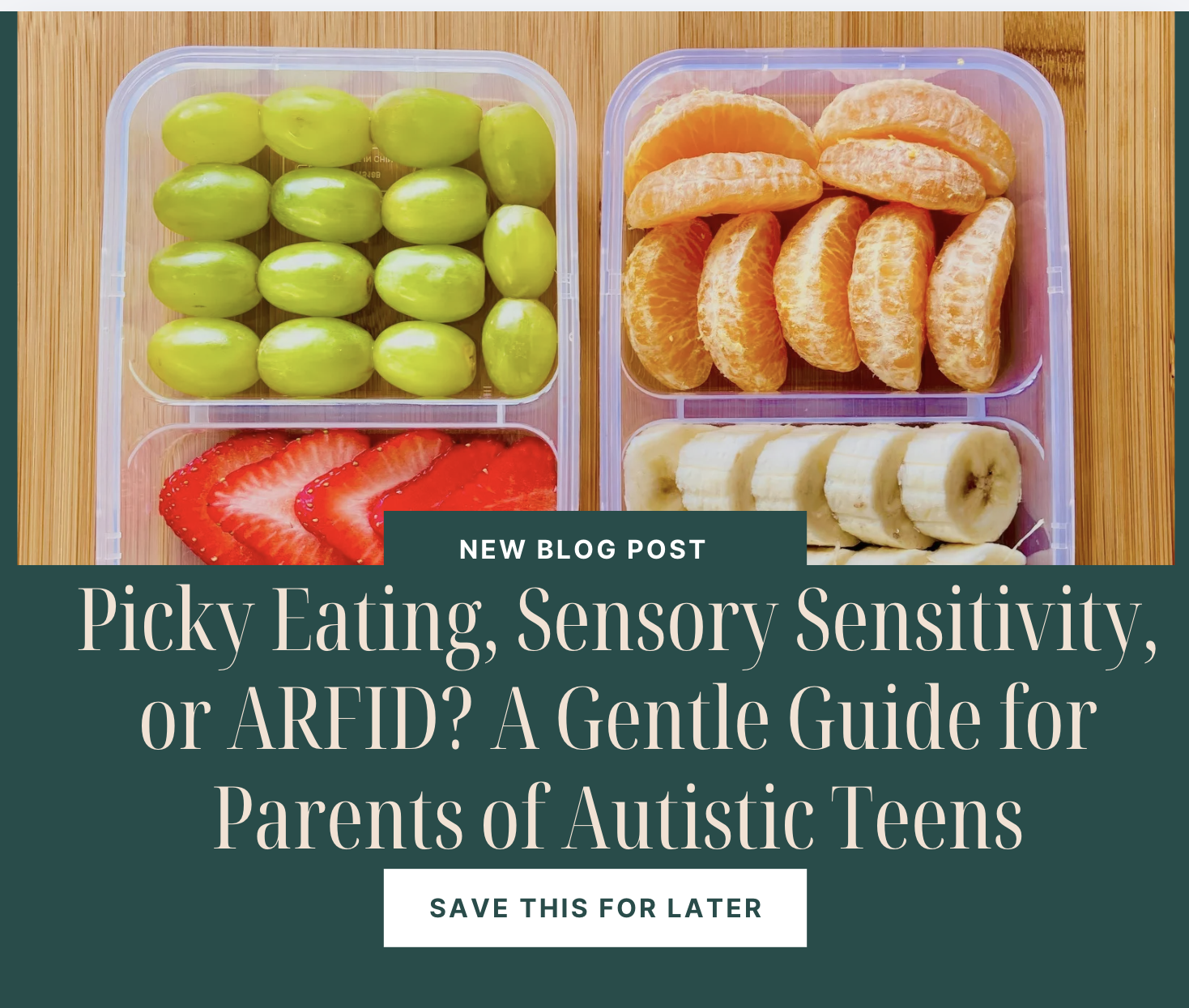
Picky Eating, Sensory Sensitivity, or ARFID? A Gentle Guide for Parents of Autistic Teens
When your autistic teen avoids certain foods, it's easy to wonder: Is this picky eating? Sensory sensitivity? Or something more? Understanding the difference between typical picky eating, sensory-based food avoidance, and ARFID (Avoidant/Restrictive Food Intake Disorder) can help you support your teen with compassion and accuracy. This gentle guide explains what each one looks like, why they're different, and how to tell which may be affecting your teen. You'll find clear explanations, real-life examples, supportive strategies for each scenario, and guidance on when professional help may be needed—all without shame, pressure, or judgment.
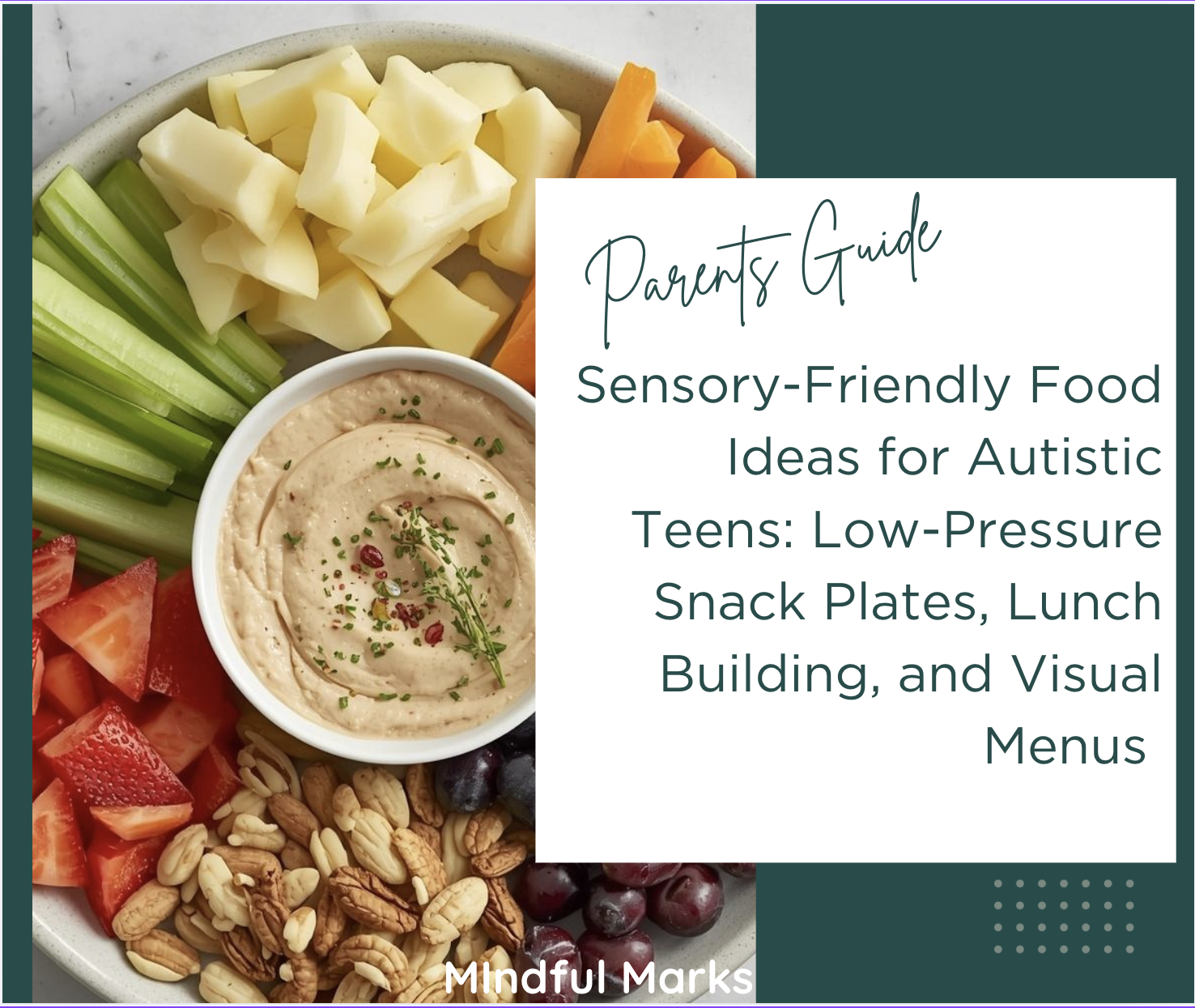
Sensory-Friendly Food Ideas for Autistic Teens: Low-Pressure Snack Plates, Lunch Building, and Visual Menus (Parent Guide)
Feeding an autistic teen with sensory sensitivities doesn't have to be stressful. This comprehensive parent guide walks you through practical, low-pressure food strategies that respect your teen's sensory needs and reduce mealtime overwhelm. You'll learn how to build sensory-friendly snack plates using the "2 safe + 1 optional" rule, create flexible lunch options your teen can assemble independently, and use visual menus to support autonomy and predictability. Whether your teen struggles with textures, temperatures, mixed foods, or food anxiety, you'll find realistic tools, step-by-step guidance, and compassionate strategies that make mealtimes calmer for everyone.
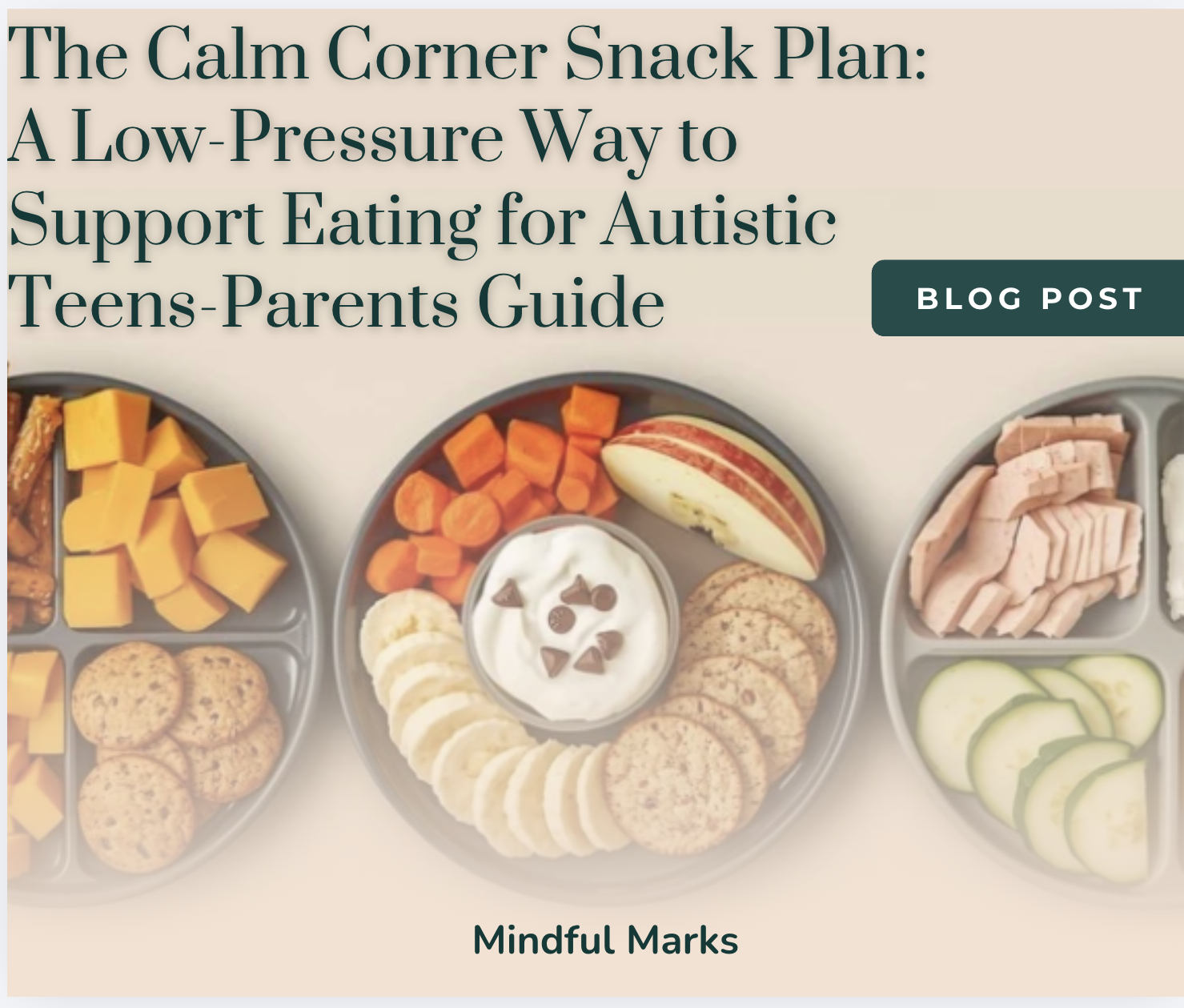
The Calm Corner Snack Plan: A Low-Pressure Way to Support Eating for Autistic Teens (Parent Guide)
The Calm Corner isn't just for regulation—it can also be a safe space for low-pressure eating. This parent guide introduces the Calm Corner Snack Plan, a gentle approach that removes food pressure, honors sensory needs, and supports your autistic teen's relationship with eating. You'll learn how to set up a snack station in or near your teen's calm corner, stock sensory-friendly foods they can access independently, and use visual cues to support autonomy without reminders or rules. Whether your teen struggles with mealtime anxiety, food avoidance, or unpredictable appetite, this plan offers a compassionate way to support eating that feels safe, calm, and judgment-free.
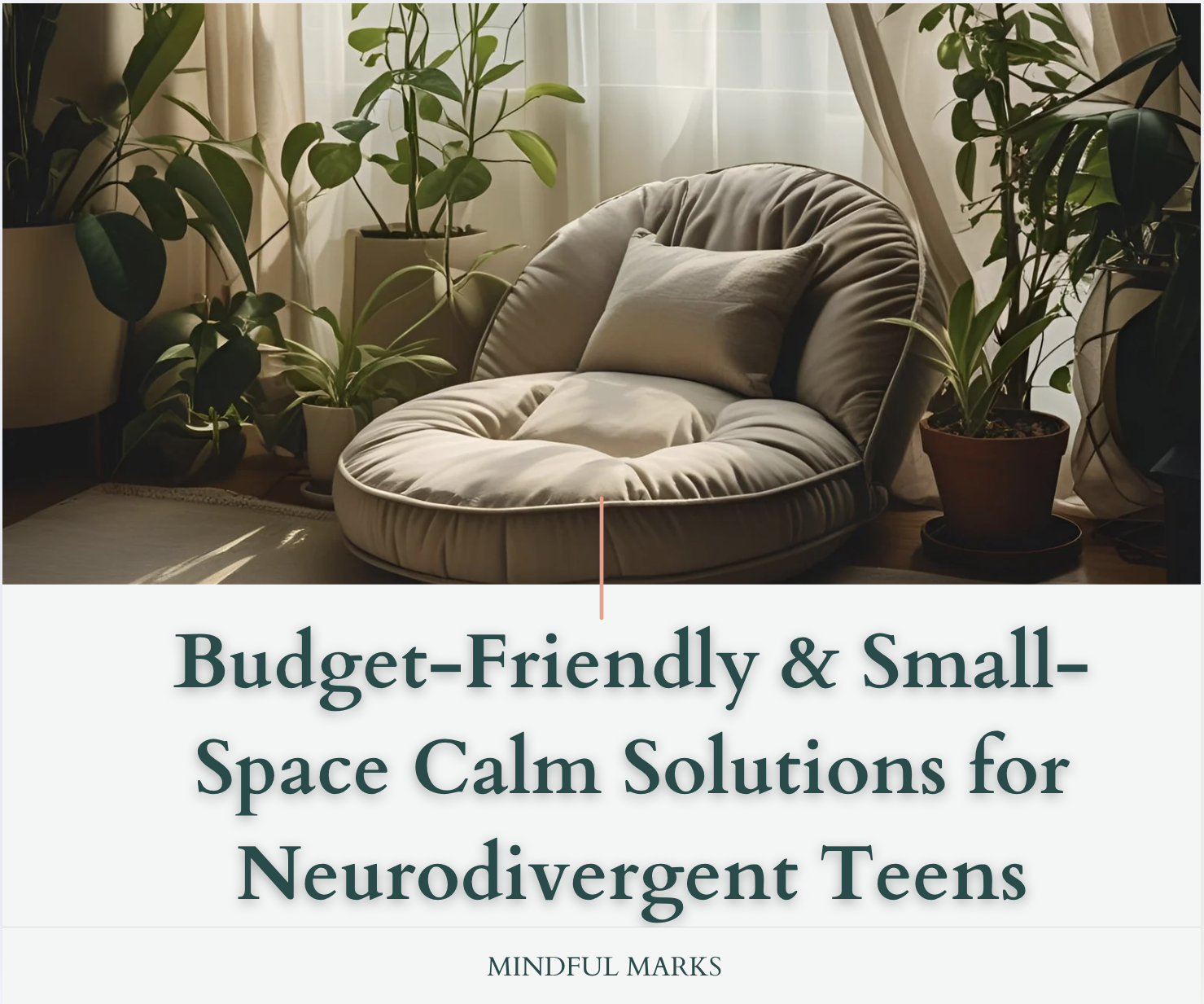
Budget-Friendly & Small-Space Calm Solutions for Neurodivergent Teens
Creating a calming, supportive space for a neurodivergent teen doesn’t require a spare room or expensive sensory tools. This post shares practical, budget-friendly calm corner ideas that work in apartments, shared bedrooms, and busy family homes, including portable calm kits, DIY supports, and simple ways to make regulation tools more accessible day to day.
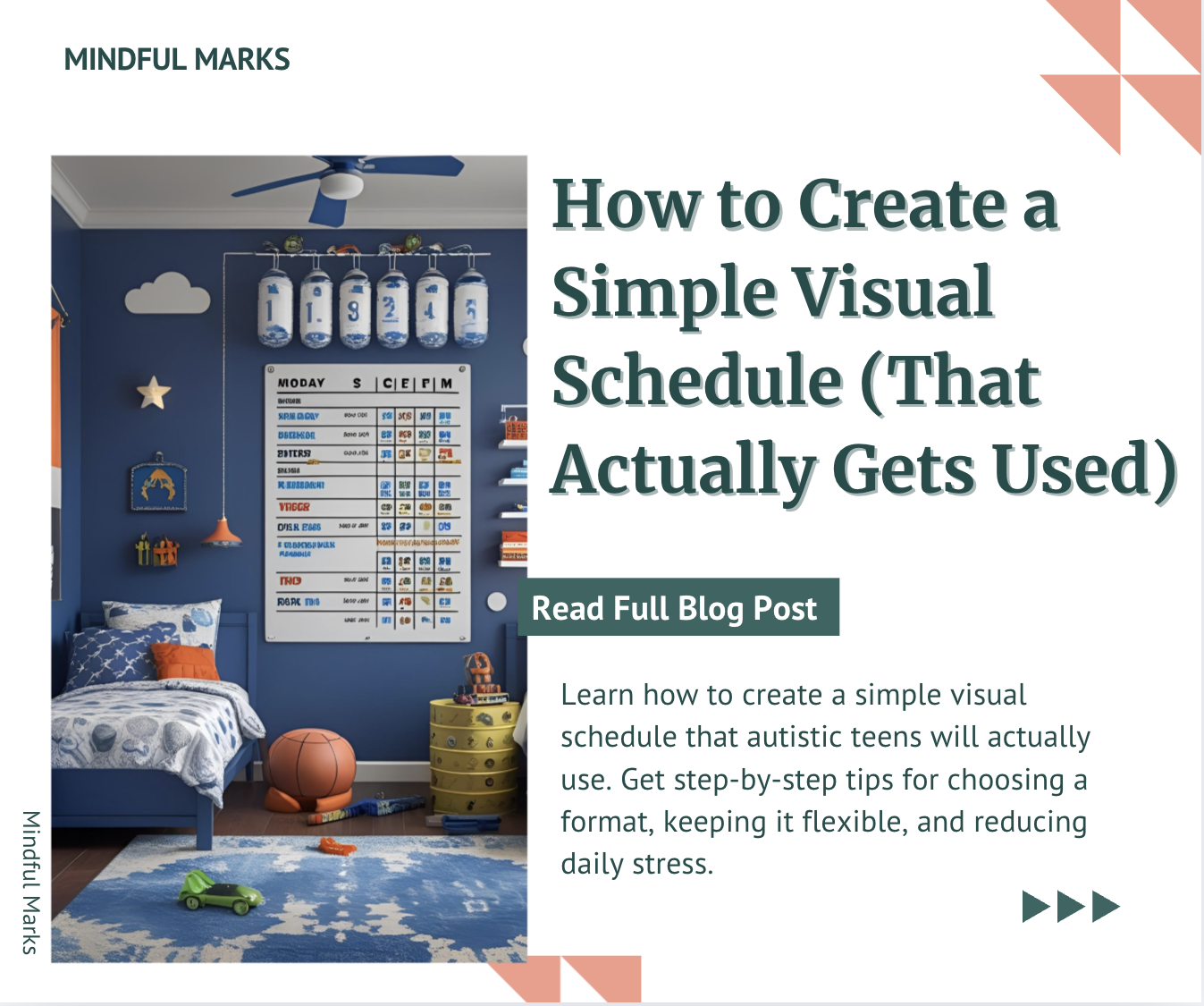
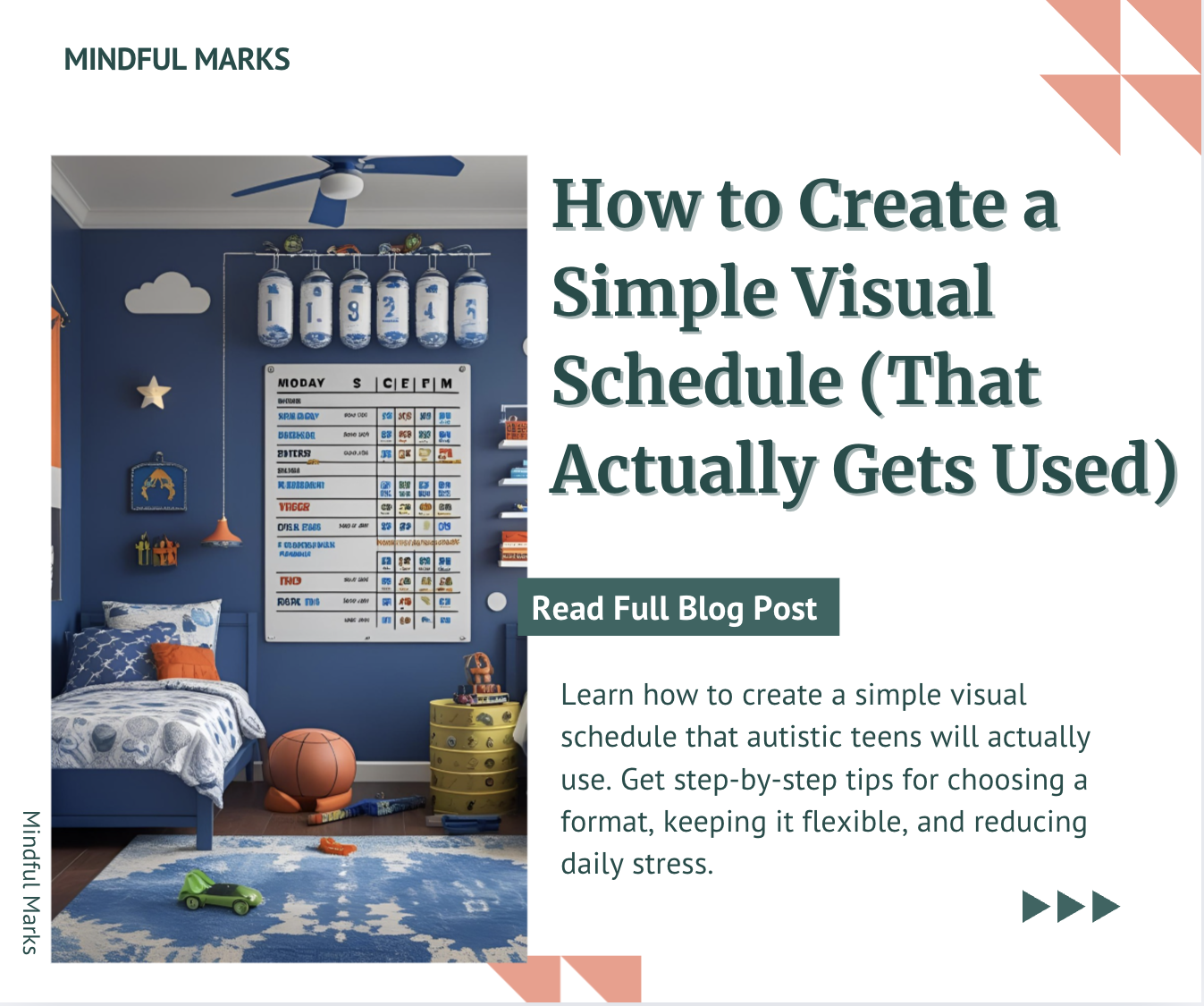
How to Create a Simple Visual Schedule (That Actually Gets Used)
If routines feel exhausting or full of reminders, you’re not alone. This post walks you through a simple, realistic way to create a visual schedule that supports autistic teens with clarity, flexibility, and less verbal overload—so it feels helpful, not controlling.
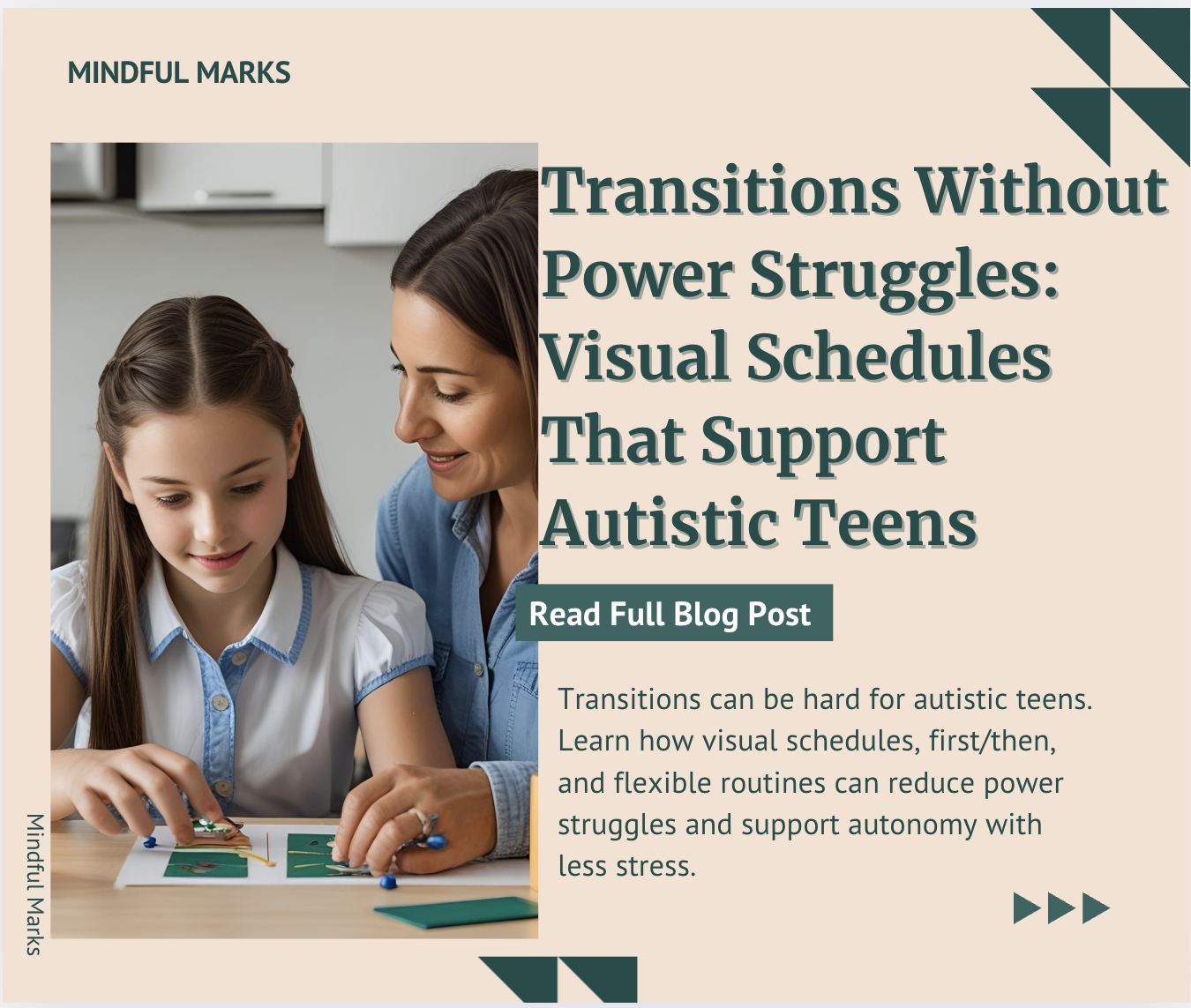
Transitions Without Power Struggles: Visual Schedules That Support Autistic Teens
Transitions can be hard for autistic teens. Learn how visual schedules, first/then, and flexible routines can reduce power struggles and support autonomy with less stress.
Visual Schedules for Autistic Teens: Respectful Routines Without Babying
Visual schedules can be genuinely helpful, and many teens still dislike them when they feel childish, controlling, or embarrassing. This guide shares respectful, teen-friendly ways to use visual schedules with autonomy and flexibility—so routines feel supportive, not shaming.
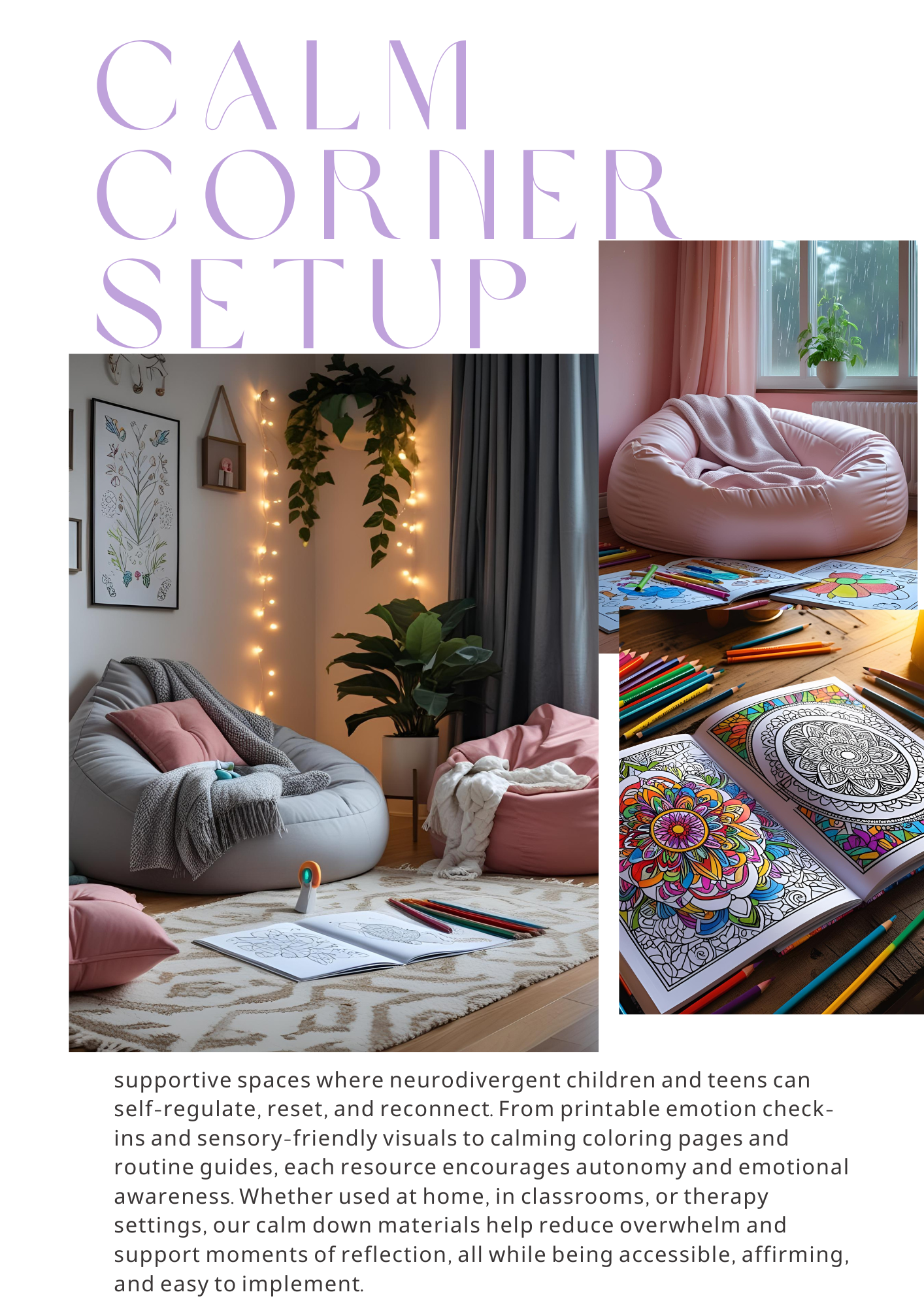
Our Detailed calm corner Set up..
A calm corner is more than a cozy spot—it’s a powerful sensory regulation tool for autistic children and teens. This post offers a detailed, step-by-step guide to creating an autism-friendly calm corner that reduces overwhelm, encourages self-soothing, and promotes emotional well-being.
How Neuroplasticity Supports Learning in Autistic Children—And How to Harness It at Home
Autistic brains are not fixed—they are adaptable, responsive, and capable of growth through neuroplasticity. This post explains how neuroplasticity supports learning in autistic children and how families can encourage learning at home through repetition, interest-based activities, and supportive environments. Progress doesn’t come from pressure—it comes from understanding how the brain learns best.
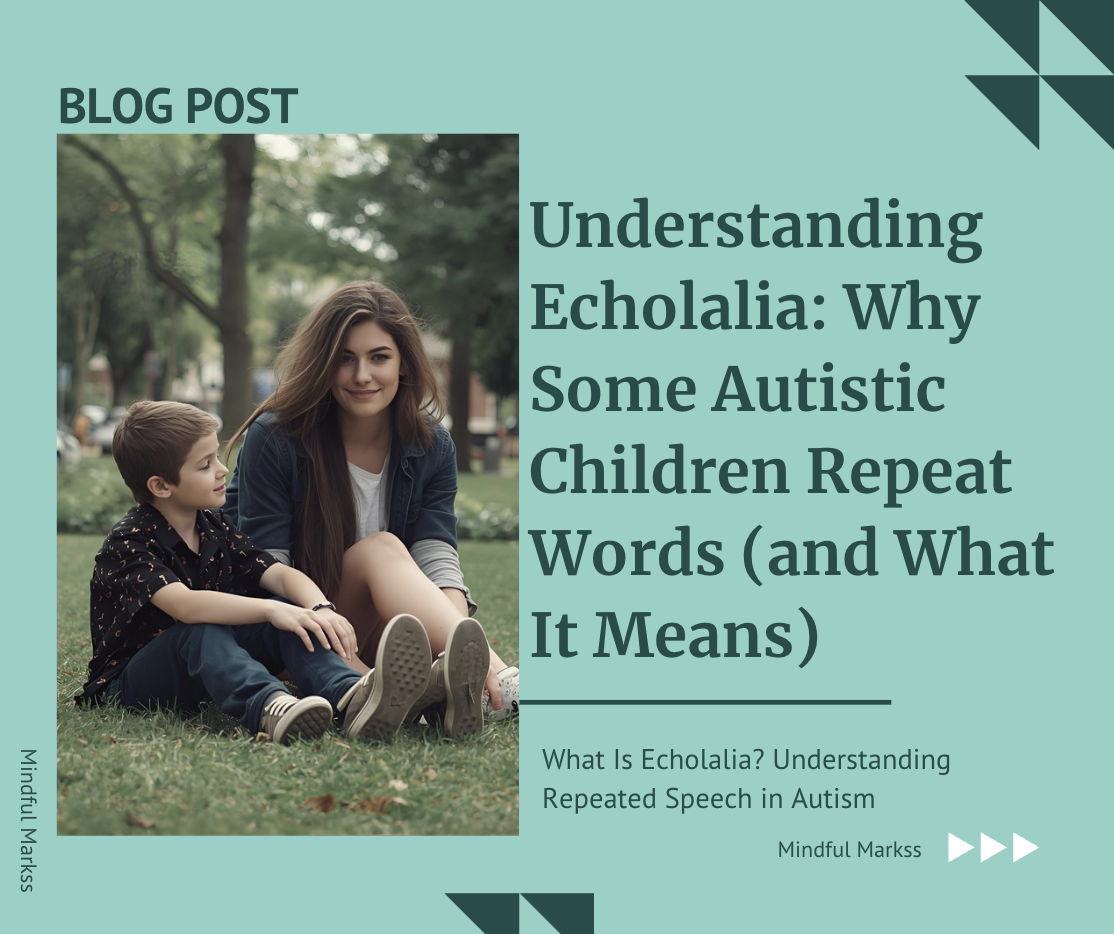
Understanding Echolalia: Why Some Autistic Children Repeat Words and What It Means
Echolalia—repeating words or phrases—is often misunderstood as meaningless or something to stop. In reality, it can be an important and purposeful form of communication for autistic children. This post explains why echolalia happens, what it can communicate, and how understanding it can help families respond with patience, respect, and support.
Preparing for Adulthood: Independence & Life Planning
Preparing for adulthood doesn’t mean rushing independence. Learn how to support neurodivergent teens with life planning, skills, and confidence.

What is “Masking” (or Camouflaging) in Autism?
Masking, also known as camouflaging, is the act of hiding or suppressing autistic traits to blend in with social expectations. While masking can help someone get through school, work, or social situations, it often comes at a significant emotional cost. This post explains what masking is, why it happens, and why unmasking can be an important step toward well-being and self-acceptance.
Could This Be Me? Understanding Late Autism Discovery in Adults
Many adults begin questioning autism later in life after years of masking, burnout, or feeling different without knowing why. This post explores what late autism discovery can look like, why the question “Could this be me?” is so common, and how learning more can bring understanding, relief, and self-compassion. You’re not imagining your experiences—and you’re not alone in asking these questions.
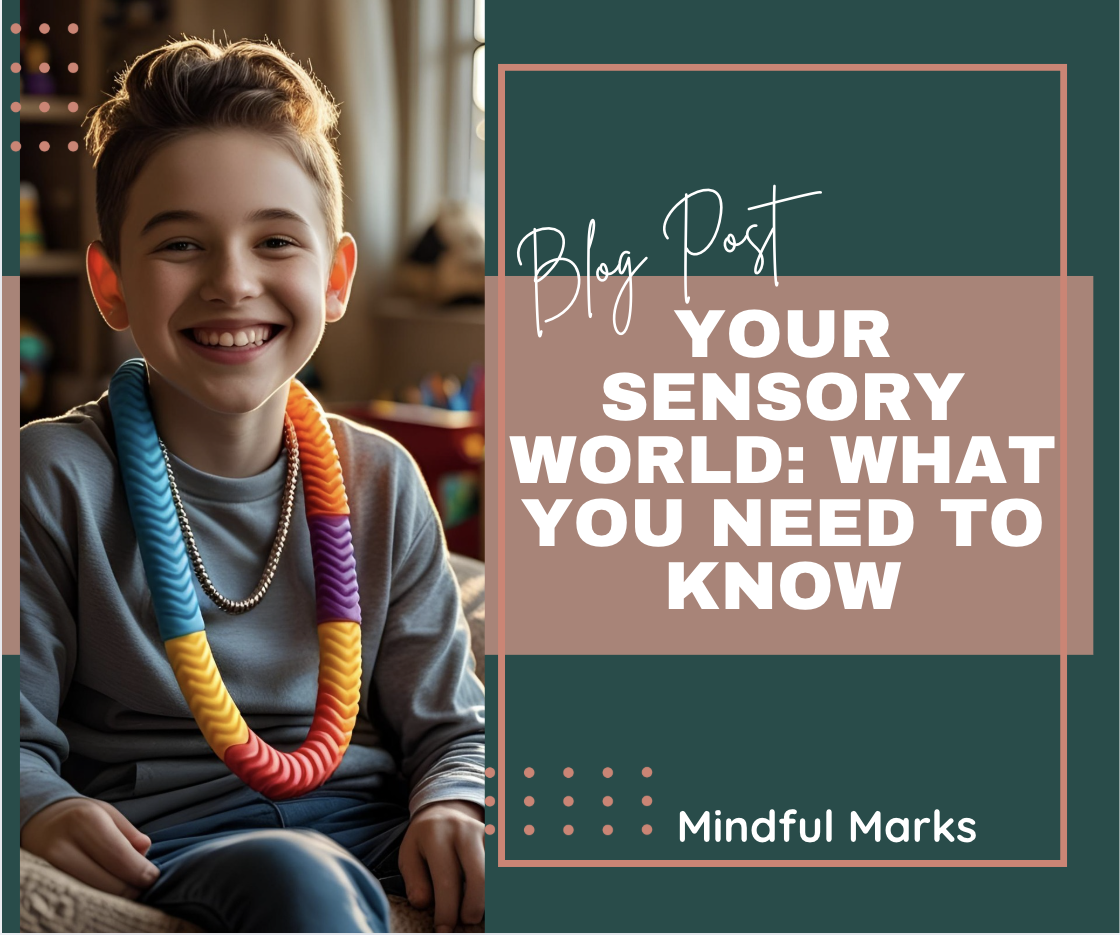
Your Sensory World: What You Need to Know
Everyone experiences the world through their senses—but not everyone’s sensory world works the same way. This post breaks down what sensory processing is, why sounds, lights, textures, or movement can feel overwhelming, and how understanding your sensory needs can support regulation, comfort, and emotional safety. Sensory differences aren’t a flaw—they’re information.

Special Interests: Your Hidden Superpower
Special interests are often misunderstood as distractions or obsessions, but for autistic kids and teens, they can be powerful sources of joy, regulation, and learning. This post explores why special interests matter, how they support emotional well-being and focus, and how families can nurture these passions without pressure or shame.

Social Fatigue: Why You Feel Wiped Out but Didn’t “Do Much”
Social fatigue can leave you feeling completely wiped out—even on days that looked “easy” from the outside. This post explains why social interaction is so draining for many neurodivergent people, how the nervous system plays a role, and why exhaustion doesn’t mean you’re lazy or doing life wrong. You’re not imagining it—and you’re not alone.
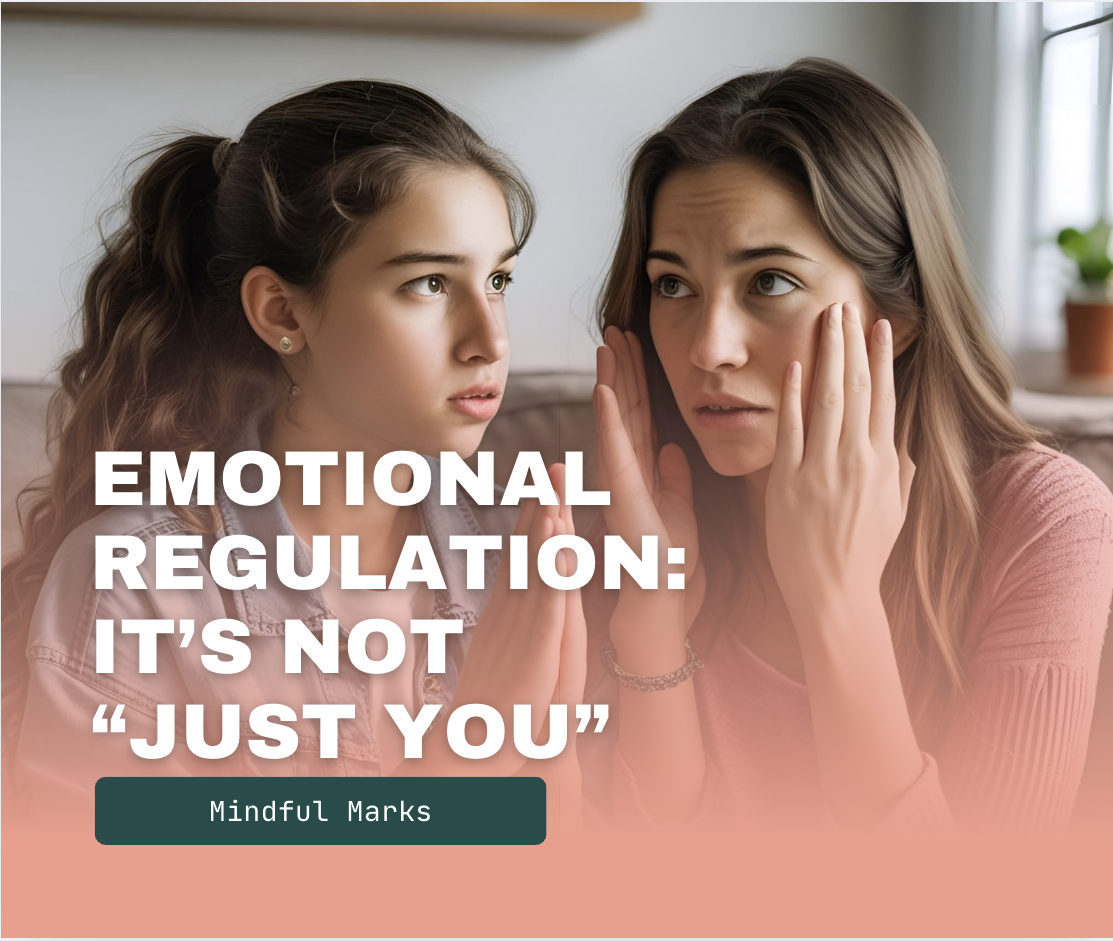
Emotional Regulation: It’s Not “Just You”
Emotional regulation challenges aren’t a personal flaw—they’re often rooted in how the nervous system processes stress, sensory input, and emotions. This post explores why regulation can feel so hard for neurodivergent teens and parents, and offers reassurance that struggling doesn’t mean you’re failing. You’re not alone—and there is a gentler way forward.