

What Is Masking? (Autism Edition)
Masking is when autistic teens hide their natural traits to appear “neurotypical,” avoid judgment, or stay safe in social settings. While masking can help teens get through school or social situations, it often comes at a high emotional cost. This guide explains what masking looks like, why autistic teens mask, and how parents can create safe spaces where their child doesn’t have to hide who they are.
Sensory Rooms, Calm Corners & Wellness Spaces (Home + Classroom)
Sensory rooms, calm corners, and wellness spaces aren’t about luxury—they’re about regulation, safety, and support. This post explores how thoughtfully designed spaces at home and in classrooms can help neurodivergent children feel grounded, focused, and emotionally supported. Learn what truly matters when creating sensory-friendly environments that promote calm without overwhelm.

What to Do when You Find Out your child has autism: A Guide for Parents
Hearing the words ‘your teen has autism’ can bring a wave of emotions—relief, uncertainty, hope, and worry all at once. This moment is the beginning of a journey, not the end of one. In this guide, we share practical first steps, autism-friendly resources, and compassionate advice to help you process the diagnosis, understand your child’s unique needs, and build a strong foundation for their growth. From finding trustworthy information to connecting with supportive communities, you’ll discover ways to turn overwhelm into confidence and advocacy.

How to Support Autistic Teens Who Pull Away
When autistic teens begin to pull away, it can leave parents feeling worried and drained. This post offers compassionate, autism-friendly strategies to reconnect, maintain trust, and care for yourself—even during burnout—while supporting your teen’s need for independence and emotional safety.”

Why My Autistic Teen Hates School but Loves Learning
Your autistic teen may hate school — but still love learning deeply at home. This post explains the real reasons behind the disconnect and offers compassionate, practical ways parents can support learning without forcing burnout.

When Your Teen Falls Apart After School
Your teen holds it together all day—then unravels at home. If after-school meltdowns, shutdowns, or emotional crashes feel confusing or overwhelming, you’re not alone. This post explains why school drains autistic and neurodivergent teens and shares gentle, practical strategies to help them decompress, feel safe, and recover after long days.

What Does “Shutdown” Really Mean for Teenagers With Autism?
When an autistic teenager shuts down, it can look like silence, withdrawal, or emotional distance—but it’s not a choice. Shutdowns are a nervous-system response to overwhelming stress, sensory overload, or emotional exhaustion. In this guide, we explain what autistic shutdowns really mean, how they differ from meltdowns, and how parents can support their teens with calm, understanding, and care—without adding pressure or shame.

What Not to Say When Your Autistic Teen Is Being Bullied
When your autistic teen opens up about being bullied, your response can either build safety—or shut communication down. This guide explains what not to say, why those phrases are harmful, and how to support your teen with compassion and confidence.

“I’m Terrified and Don’t Know If This Is Serious or Not”
When your autistic teen says something alarming—or says nothing at all—it can leave you frozen with fear. Is this a passing thought, a shutdown, or something more serious? This compassionate guide helps parents understand the differences, recognize subtle warning signs, and respond without panic or dismissal.

Job Readiness: Helping Your Teen Build Work Skills
Starting a job is a major milestone—and for autistic teens, it can feel both exciting and overwhelming. Job readiness isn’t just about résumés or interviews. It’s about building real-world skills like communication, emotional regulation, routines, and self-advocacy in ways that respect neurodivergent needs. This guide helps parents support their teens with clarity, compassion, and confidence as they prepare for employment.
Why Planning Is Hard for Autistic Teens — And How to Help
Planning isn’t a motivation problem for autistic teens — it’s an executive function challenge. This post explains why planning can feel overwhelming, how autistic brains process tasks differently, and what actually helps teens build planning skills without shame or pressure. Learn supportive strategies that prioritize clarity, flexibility, and nervous system safety.
Is My Autistic Teen Being Rude—or Overwhelmed?
Is your autistic teen being rude—or are they overwhelmed?
Many parents find themselves confused by sudden snapping, blunt responses, or shutdowns that seem disrespectful on the surface. But for autistic teens, what looks like “attitude” is often a nervous system in distress. Sensory overload, emotional flooding, and communication breakdowns can make it hard for teens to respond calmly or politely in the moment.
This post explores how to tell the difference between rudeness and overwhelm, why traditional discipline often backfires, and what actually helps autistic teens feel safe, understood, and regulated. With practical, compassionate strategies, you’ll learn how to respond in ways that reduce escalation and build trust—without ignoring boundaries or expectations.
How to Communicate With an Autistic Teen Without Escalation
Communicating with an autistic teen can feel overwhelming—especially when conversations escalate quickly into meltdowns or shutdowns. But escalation isn’t defiance; it’s often a nervous system response to stress, sensory overload, or feeling misunderstood. In this post, we explore calm, practical communication strategies that help parents reduce conflict, support regulation, and build stronger, more trusting connections with their autistic teen.
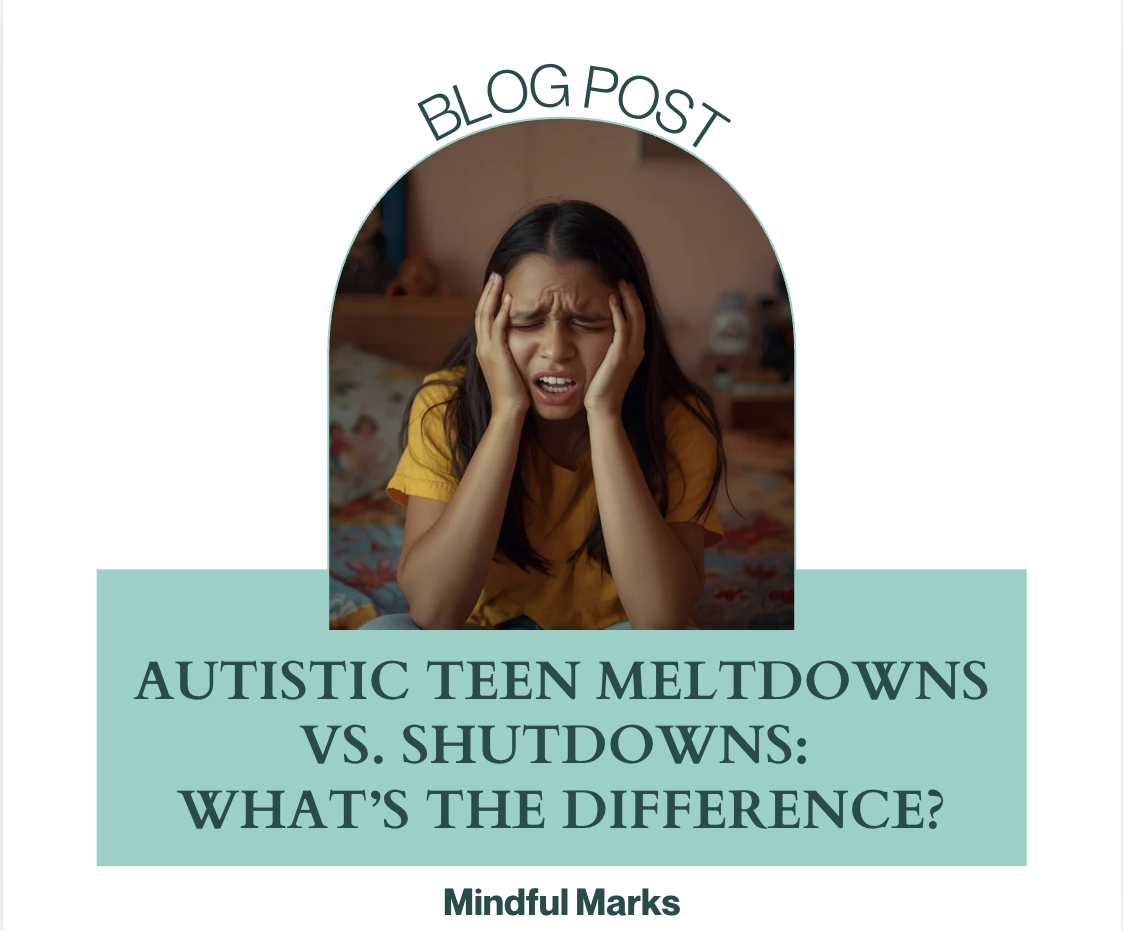
Autistic Teen Meltdowns vs. Shutdowns: What’s the Difference?
When an autistic teen suddenly explodes with emotion—or goes completely silent—it can leave parents feeling confused and unsure how to respond. These moments are often described as meltdowns or shutdowns, but they are not the same thing. Understanding the difference helps parents replace fear and frustration with compassion and support. In this post, we break down what meltdowns and shutdowns really are, why they happen, and how to respond in ways that help your teen feel safe, regulated, and understood.

5 Benefits of therapeutic Coloring for Autistic Teens
Therapeutic coloring offers more than just creative fun—it’s a proven way to support mental health and sensory needs in autism. Discover five key benefits, from reducing anxiety to boosting focus, that make mindful coloring a powerful tool for neurodivergent children, teens, and adults.

Our Calm Corner Setup-
Therapeutic coloring offers more than just creative fun—it’s a proven way to support mental health and sensory needs in autism. Discover five key benefits, from reducing anxiety to boosting focus, that make mindful coloring a powerful tool for neurodivergent children, teens, and adults.

Emotional “Flip” Moments: Why Autistic Teens Go From Calm to Overwhelmed So Quickly—and How Parents Can Help
Emotional “flip” moments can feel like they come out of nowhere. One second your autistic teen seems calm—and the next they’re overwhelmed, shutting down, or melting down entirely. For parents, these moments are often confusing and emotionally exhausting, especially when you’re unsure how to help without making things worse.
In this post, we explore what’s really happening inside an autistic teen’s nervous system during these sudden emotional shifts. You’ll learn why these moments aren’t intentional, what hidden stressors often build beneath the surface, and how parents can respond in ways that reduce harm, support regulation, and build trust. Understanding emotional flip moments can transform fear and frustration into confidence, compassion, and connection.
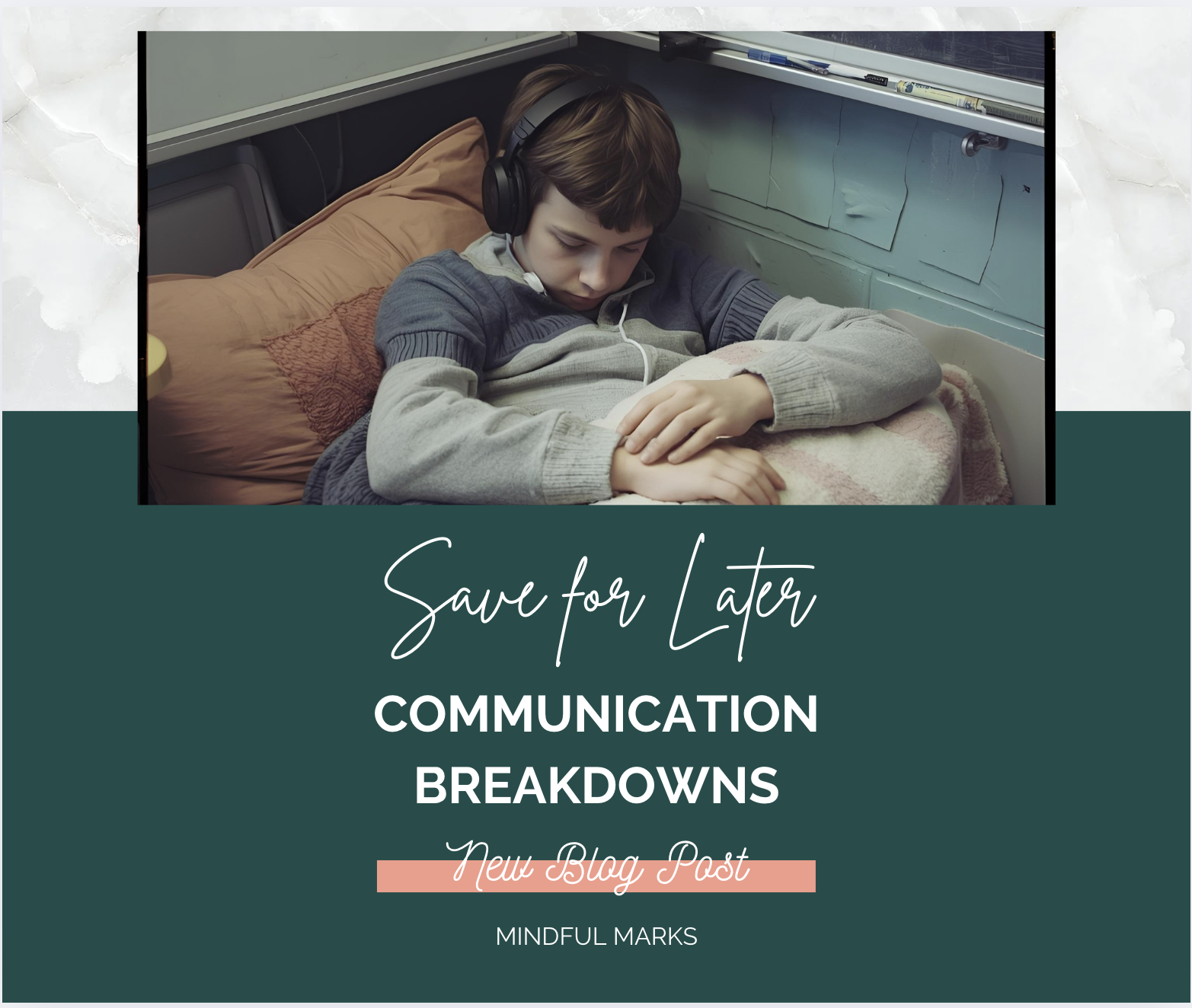
Communication Breakdowns
If conversations with your teen frequently turn into confusion, shutdowns, or conflict, you’re not failing—and neither are they.
Many autistic teens process language literally, struggle with unclear expectations, and shut down when their nervous system becomes overwhelmed. What looks like “not listening” is often a brain trying to protect itself.
In this post, we explore why communication breaks down so easily, how literal language and sensory overload play a role, and what parents can do to create clearer, calmer conversations that reduce stress for everyone.
Understanding comes before change—and small shifts in how we communicate can make a powerful difference.

Why My Autistic Teenager Takes Everything Literally
Your autistic teen isn’t being difficult when they misunderstand jokes, sarcasm, or vague instructions—they’re processing language exactly as their brain understands it. In this guide, we explore why literal thinking happens in autistic teenagers and share practical, compassionate tools parents can use to reduce frustration and strengthen connection.

Therapeutic Coloring: Why It Works for Autistic Teens
Therapeutic coloring is more than a creative activity — it’s a powerful tool for sensory regulation and emotional support for autistic teens. This post explores why coloring works, how predictable patterns and gentle repetition calm the nervous system, and how coloring can support focus, reduce anxiety, and provide a safe outlet for self-expression without pressure.