
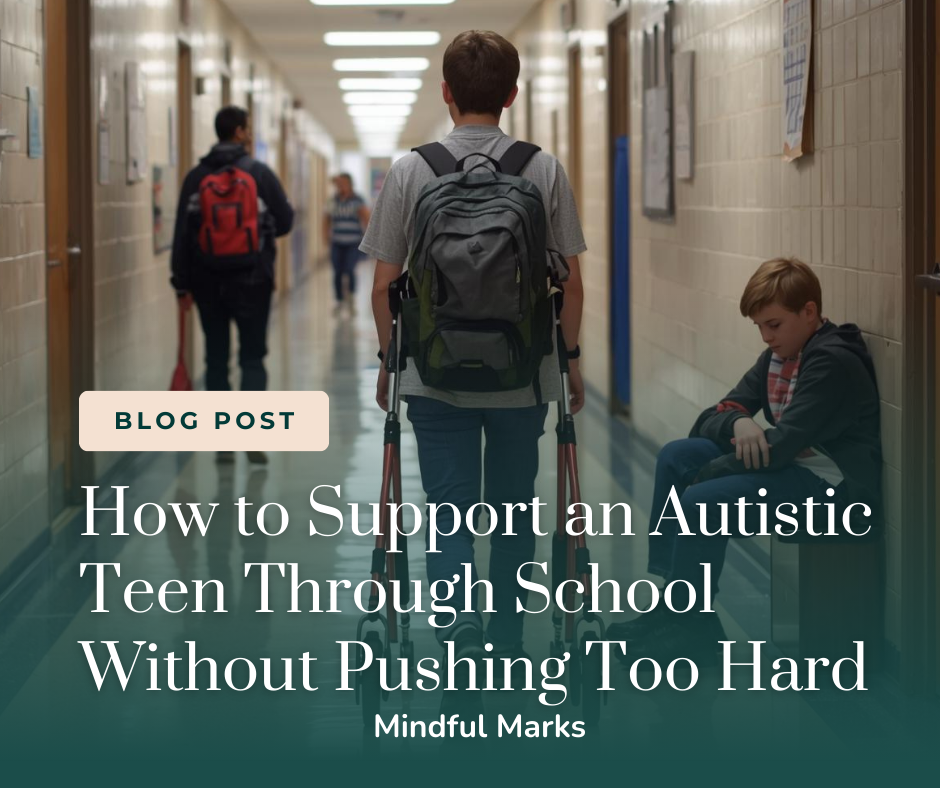
How to Support an Autistic Teen Through School Without Pushing Too Hard
Supporting an autistic teen through school can feel like a delicate balancing act. Parents want to help their teen succeed—without creating overwhelm, anxiety, or burnout. This guide explores how to support learning, emotional regulation, and school success in ways that respect your teen’s nervous system, reduce pressure, and build long-term confidence.
How Autistic Teens Understand Death (And How Parents Can Help Them Cope)
Autistic teens often process death differently—through facts, delayed emotions, or quiet responses. This guide helps parents understand those differences and support their teen through grief without pressure or fear.

Will My Autistic Teen Ever Be Able to Live on Their Own?
Many parents quietly ask the same question: Will my autistic teen ever be able to live on their own?
The answer isn’t one-size-fits-all—and it doesn’t have to be. This guide explores what independence truly means for autistic teens, common fears parents face, and practical ways to build life skills and confidence without rushing the process. Independence can look different—and still be meaningful.

Quick Answers Parents Google at 2am: Support for Parents of Autistic Teens
When your house is quiet but your thoughts won’t slow down, it’s easy to spiral into worry about your autistic teen. From meltdowns and shutdowns to scary statements and emotional overwhelm, this post answers the real questions parents Google at 2am—clearly, compassionately, and without judgment. You’re not alone, and you’re not doing this wrong.

A Nighttime Regulation Routine for Autistic Teens
Evenings can be one of the hardest times of day for autistic teens. After sensory overload, social stress, and emotional exhaustion, their nervous system often struggles to settle—making sleep feel impossible. This detailed guide walks parents through a gentle nighttime regulation routine that supports emotional safety, sensory needs, and calmer transitions into rest.
Overwhelmed Doesn’t Always Look Loud: Understanding Shutdowns in Autistic Teens
Overwhelm in autistic teens doesn’t always look like a meltdown. Sometimes it looks like silence, withdrawal, or shutting down. This in-depth guide helps parents understand what shutdowns really are, why they happen, and how to support their teen with compassion—without making things worse.
Puberty Without Panic:
Puberty can be overwhelming for autistic preteens and their families, but it doesn’t have to be stressful. In this guide, we share autism-friendly strategies, sensory-aware tips, and clear communication tools to help navigate body changes, emotions, and social challenges with confidence.
How to Support Social Skills Without Pushing Social Norms
Supporting social skills shouldn’t mean teaching autistic children and teens to mask who they are. This post explores how to encourage communication, confidence, and meaningful connection without forcing rigid social norms. Learn why traditional social skills training can miss the mark and how to support authentic social growth that prioritizes well-being over conformity.

Sibling Relationships & Family Dynamics in the Teen Years
Sibling relationships in families with an autistic teen often carry extra layers of empathy, responsibility, and growth—especially during adolescence. This post explores how family dynamics shift in the teen years, why siblings’ experiences matter, and how parents can support connection, understanding, and emotional balance for all children in the family.

Myths About Autistic Teenagers (And What’s Actually True)
Autistic teenagers are often misunderstood—especially during the already complex teen years. From assumptions about empathy to independence, many common myths cause harm. This article breaks down the most persistent myths about autistic teens and explains what’s actually true, helping parents respond with clarity, compassion, and confidence.

Why Sleep Is Different for Autistic Teens—and How to Make It Better
Sleep challenges in autistic teens aren’t caused by “bad habits” or a lack of discipline. They’re often rooted in differences in sensory processing, nervous system regulation, and brain activity. This post explains why sleep can be harder for autistic teens and shares gentle, supportive ways to create rest that works with their neurology—not against it.

SCIENCE, THE BRAIN, AND AUTISM:
Understanding the science of the brain is key to supporting autistic individuals. In this article, we break down how autism affects brain function, sensory processing, and emotional regulation—plus how therapeutic activities like mindful coloring can support neurodivergent minds.
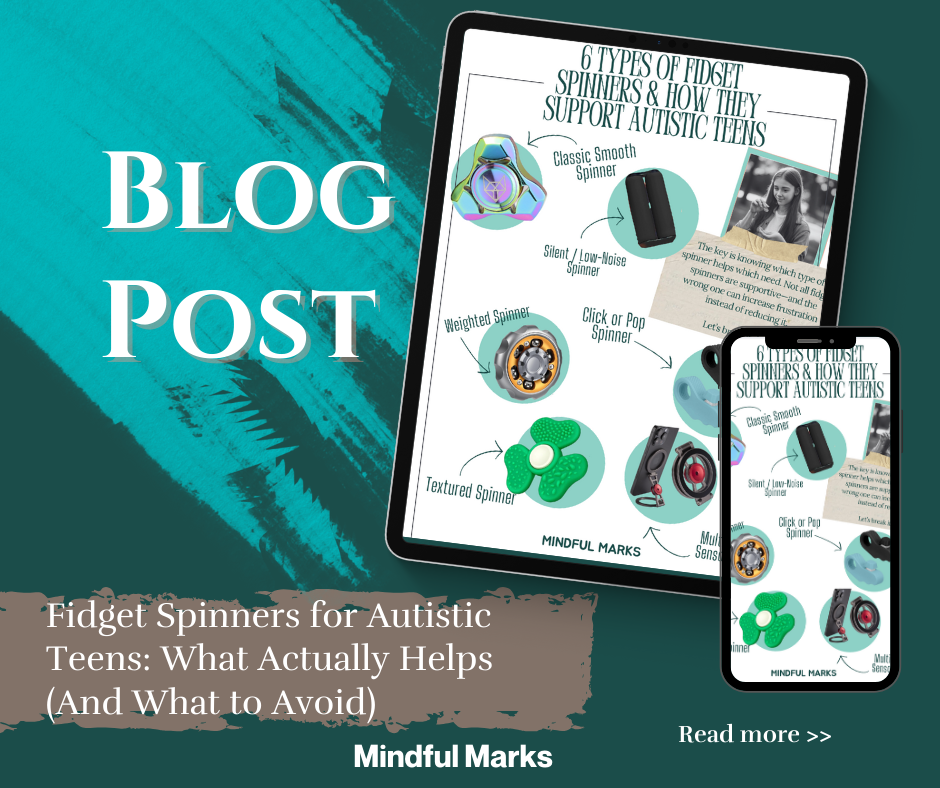
Fidget Spinners for Autistic Teens: What Actually Helps (And What to Avoid)
Fidget spinners aren’t just toys—but not all of them are helpful. This guide explains which types of fidget spinners truly support autistic teens with focus, sensory regulation, and emotional calm—and which ones can actually increase frustration instead of reducing it.

What Is Masking? (Autism Edition)
Masking is when autistic teens hide their natural traits to appear “neurotypical,” avoid judgment, or stay safe in social settings. While masking can help teens get through school or social situations, it often comes at a high emotional cost. This guide explains what masking looks like, why autistic teens mask, and how parents can create safe spaces where their child doesn’t have to hide who they are.
Sensory Rooms, Calm Corners & Wellness Spaces (Home + Classroom)
Sensory rooms, calm corners, and wellness spaces aren’t about luxury—they’re about regulation, safety, and support. This post explores how thoughtfully designed spaces at home and in classrooms can help neurodivergent children feel grounded, focused, and emotionally supported. Learn what truly matters when creating sensory-friendly environments that promote calm without overwhelm.
What to Do when You Find Out your child has autism: A Guide for Parents
Hearing the words ‘your teen has autism’ can bring a wave of emotions—relief, uncertainty, hope, and worry all at once. This moment is the beginning of a journey, not the end of one. In this guide, we share practical first steps, autism-friendly resources, and compassionate advice to help you process the diagnosis, understand your child’s unique needs, and build a strong foundation for their growth. From finding trustworthy information to connecting with supportive communities, you’ll discover ways to turn overwhelm into confidence and advocacy.
How to Help Your Autistic Teen Through a Breakup: 6 Tips for Parents
Breakups can be deeply overwhelming for autistic teens, disrupting emotional safety, routines, and their sense of connection. This guide walks parents through six supportive, practical ways to help—without minimizing feelings or rushing healing. Learn how to validate emotions, reduce rumination, support sensory regulation, and guide your teen through recovery with clarity, compassion, and structure.

How to Support Autistic Teens Who Pull Away
When autistic teens begin to pull away, it can leave parents feeling worried and drained. This post offers compassionate, autism-friendly strategies to reconnect, maintain trust, and care for yourself—even during burnout—while supporting your teen’s need for independence and emotional safety.”
Explaining Death to an Autistic Teen: What Helps and What Hurts
Explaining death to an autistic teen can feel overwhelming. This guide breaks down what truly helps, what unintentionally hurts, and how to talk honestly while supporting your teen’s emotional and sensory needs with compassion.

Why My Autistic Teen Hates School but Loves Learning
Your autistic teen may hate school — but still love learning deeply at home. This post explains the real reasons behind the disconnect and offers compassionate, practical ways parents can support learning without forcing burnout.